
Psychology and Social Injustice
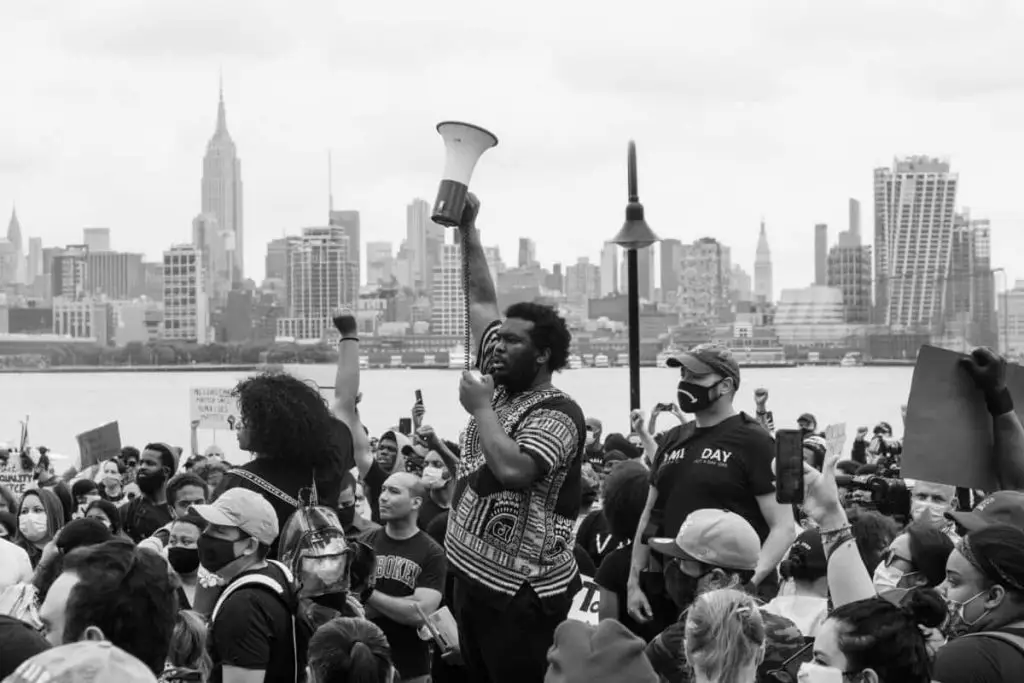
I am hoping that the field of psychology will be influenced by spirituality and social change especially in light of the dramatic events of 2020. However, I would be lying if I did not say that what I am really hoping is that psychology sees how the issues that scare us have been asking to be discussed and addressed since the beginning of time. In parts work, Richard Schwartz explains there are protectors of the exiled or wounded children. Our relationship and acceptance of all the parts is what makes us whole and builds resilience. So, just as a person does not function well when they have poor relationships with their protectors and exiles, countries, fields of study, institutions, etc cannot function without this awareness. I hope to see the field of psychology being influenced by spirituality and social change after having processed the history that triggered the events of 2020. What follows is a list of my hopes.
Psychology is the study of the soul, and I do wish we would use this knowledge to explain what we are seeing in the world. We have viewed ourselves from the unkind words of history, politics, institutions and the limited stories of our parents. It is validating to have a clinician have courage to validate a clients experience because they trust the client is having a real experience. That courage we know comes from when we are in Self. Only then do we have the courage, curiosity, clarity, calm, confidence, creativity, connection and compassion to do the required to look at difficult things in ourselves and others.
My hope is that psychology will also use the history of the events that lead to the events of 2020 to restructure how they see themselves as an institution, and the compassion to do the required to look at difficult things in ourselves and others.
“We have long needed psychology to take the lead”
We know that our past affects our present. We know how we have been treated by those who we feel should have loved us unconditionally affects our sense of self through poor attachment and passive or authoritarian parenting styles. Emotionally hurt people, hurt people and that should be the overpowering message even when it is your elected officials. It would be helpful to have institutions explain why the behavior of an oppressed or abused group acts as a child would and lashes out when they are not seen, heard and told they have value. My hope is that new research will demonstrate the resilience of brown and black people tying in the history and so people can see these groups in context.
We know it is not enough to give an 8-hour training to eighty-six percent of white clinicians the APA said existed in 2015, but you must actively recruit people of color and create better characters on TV/media, and make all issues emotional health issues, not just when you are witnessing murders captured on phones. Each issue must be explained in a biopsychosocial model so we start to change the way we think. We have to start explaining the white entitlement that prevents progress and equity. We know when people feel entitled to have power then anything taken away is perceived as an assault. This is an emotional issue that will take time to change and my hope is that psychology will lead this charge by explaining the etiology of the rage, the entitlement and this will start by increasing the diversity in the field.
Hilary Clinton to me represented a woman who relied on the brilliance of her left brain and this would not have made her emotionally warm. So many did not understand that. We have been able to understand our leaders more through psychological profiles and it helps us connect to them better. So many white women were put off by her stoicism and her marriage—issues that had nothing to do with her ability to do the job—and it is only the gifts of what is known in psychology that can make that information more accessible to people so we know why we feel what we feel and allow the behavior of others to understand ourselves. I am hoping psychology will use this tool more as I know a young man who was torn between Trump and Biden who was influenced unknowingly by the father issues he shared with Trump. We need to give those suffering in silence a productive outlet even if this means creative avenues like emotional education campaign ads. Give them a choice over radio, podcasts and YouTube.
As I tell my patients, you cannot give what you do not have and you cannot teach what you do not know. We have long needed psychology to take the lead. Without it, there is no physical health since emotional health influences our medical health which can put our bodies at risk for all kinds of disease. My hope is psychology will finally get up, rise up, and lead us.
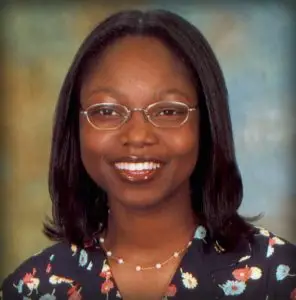
Dr. Adekemi Oguntala or Dr. O is a teen physician who received her undergraduate education at UC Berkeley. She earned her medical degree from what is now Drexel University and her pediatric residency at St Christopher’s hospital for Children both located in Philadelphia, Pennsylvania. She completed her adolescent medicine fellowship at Stanford University. She sees clients in a busy HMO and in her private practice in the Bay Area helping teens and parents communicate and connect emotionally. She focuses on raising the emotional intelligence of the teen with the sub-focus of improving their sense of self-worth, lovability and personal value.
At Academy of Therapy Wisdom, we are committed to offering ongoing training that educates and supports therapists in the important work of social justice, implicit bias, and racial trauma. You can register for one of our leading-edge anti-racism courses here:
Embodied Anti-Racism: A Mindfulness Way for Therapists and Helping Professionals with Francesca Marguerite Maximé A Five-Week Course for Examining Our Inner World So We Can Help Our Outer World
Liberation Psychology Training with Akilah Riley-Richardson, MSW, CCTP
A Therapist’s Path for Exploring Implicit Bias and Racial Trauma with Janina Fisher, Debra Chatman-Finley, and Gliceria Pérez. A Special Six-Hour Online Training Program