
Dear Friends,
As a former resident of South Minneapolis, it breaks my heart to witness the level of violence, fear and trauma being experienced there and in other cities across the U.S. I’m not trying to make a political statement right now, but a human one. My chest is pounding seeing the human suffering and loss of safety and belonging.
I’ve heard folks say: We feel alone. It feels like no one has our backs. Not expecting city, state, or federal support, we found allyship across the street and down the alley.
Seeing clips of Minneapolis, it looks like a war zone. I can’t imagine the enormous nervous-system weight on my fellow brothers and sisters.
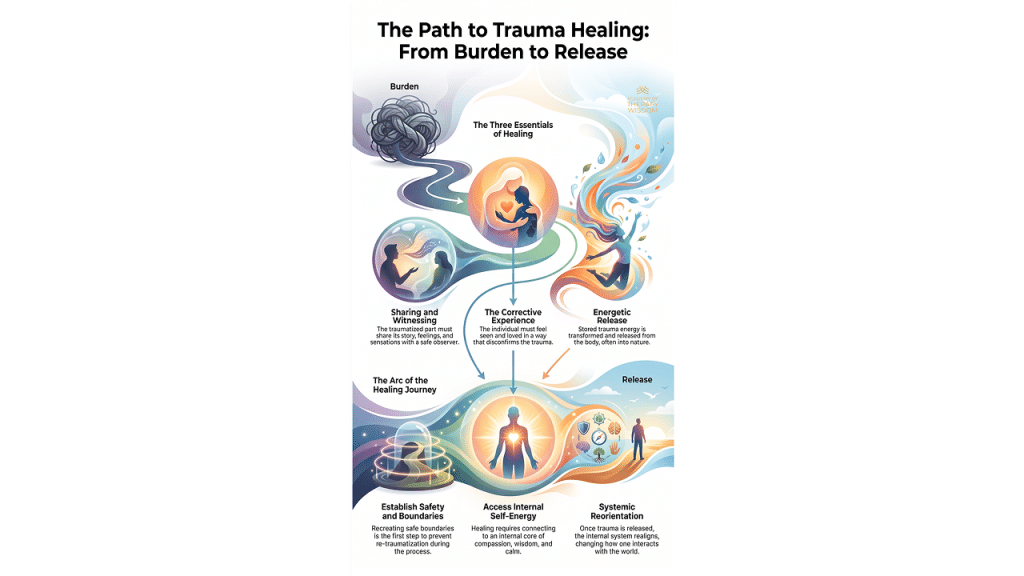
I have spent plenty of time in one-on-one therapy. And looking back, what mattered most was perhaps a felt sense of having an ally.
Still, I don’t think I fully understood allyship in my body until attending four-day training with Staci Haines. In one exercise, we broke into pods of five. Each person took a turn receiving allyship from the others and providing it as well.
You could name any situation where you needed support: family rupture, abuse, overwhelm, fear. You let your nervous system help inform how you want to arrange your allies. Two in front, one beside, one behind. You could curl into a ball or stand tall.
You then direct your allies to say (more like shout) the protection your body needed to hear: “We are not going to let you hurt her,” “Back off,” “F*ck off.”
I went beyond conceptual understanding of allyship into feeling it on a deep cellular level. I noticed my nervous system, which is basically always on high alert, start to settle into a different level of safety.
I’m sharing this because therapists and healers are feeling stretched thin right now. When you work with trauma every day, and the world itself feels destabilizing, loneliness can quietly take hold. Sensitive nervous systems burn out not from caring too much, but from caring alone.
So this feels like a moment to return to allyship as a practice.
For therapists, that can look like:
Letting yourself receive support, not just offer it. Practicing co-regulation with trusted colleagues. Naming fear or grief instead of metabolizing it in isolation. Remembering that resilience is relational, not individual.
And it can also look like:
Standing with clients in a way that says “You’re not crazy for feeling this.” Being steady rather than performative. Offering presence instead of answers.
Allyship doesn’t require certainty. It requires proximity, consent, and care.
In times like these, may we find ways to both give and receive allyship, so none of us has to face what’s happening alone.
With care,
Brian
P.S. If you’re feeling the weight of these times and want to connect with others who understand, we invite you to join our free Academy of Therapy Wisdom Hub. It’s a space to share, to be witnessed, and to remember you’re not alone in this work. Click HERE to join now.
Reflection: Where in your life could you receive more allyship? And where might you offer it more fully? I’d love to hear from you.
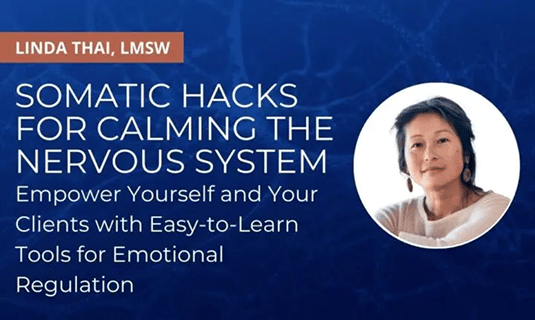
What you´ll learn:
- Vestibular Engagement for Emotional Regulation
- Using the Eyes to Hack the Stress Response System
- Subtle Sounds to Release the Peri-Trauma Response
- Effective Self-Holding and Self-Swaddling Techniques
- How and When to Apply Bilateral Stimulation
- Integration and Completing the Stress Response Cycle