
Dear friends,
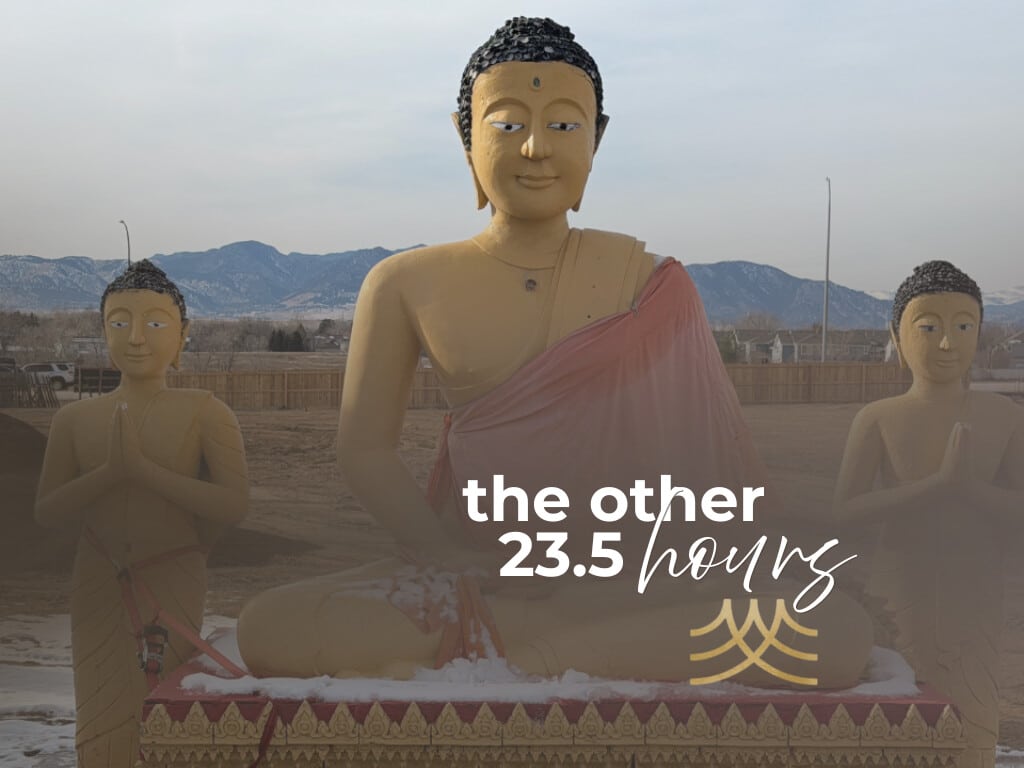
So much of what we call “spiritual practice” happens in special containers: a temple, church, a meditation cushion, a retreat center, walking a labyrinth, in nature.
These are important spaces. They’re where we train to cultivate presence, compassion and wisdom.
But they’re also a small fraction of our waking life. What about the other 23+ hours a day?
What if we held a view that all of our activities, not just the so called “sacred ones,” could be practice opportunities for our spiritual journey with the intention of being of benefit to others.
Across many wisdom traditions, there’s teachings for bringing our awake self into ordinary actions that is based on the clarity of our intentions and our actions.
Begin with intention. Before jumping into something, pause long enough to ask: What am I really hoping for here? Is this about contribution, or is it about my own ego?
My Hakomi therapist used to do something that stayed with me. Before every session, he would enter the room, turn his back, and stand quietly at the door. I assumed he was praying, clearing his mind. There were times, I wondered if he was just taking a breath and thinking, “Oh no, that guy again.“
Either way, that pause mattered. It shaped everything that followed. It plants a seed of kindness.
Stay present as things unfold. Even with a clear intention, life pulls us off course. Irritation shows up. Fear. Defensiveness. The skill is moment to moment. It’s awareness. Can I catch myself when I’ve drifted? Can I come back without abandoning the task?
Close things cleanly. When I’m done with something, I try not to cling to how it went or spiral into self-criticism. Just a moment of acknowledgment. A quiet release. You could also dedicate the merit that this activity was of benefit to others.
Why This Matters for Therapists
As a clinician, you know something profound: it’s the motivation behind an action, not its scale or visibility, that determines its real impact.
Decades ago, I was in China for an environmental project. I was sitting on a bus when I noticed a man struggling to carry a large, heavy piece of lumber down the street. A woman on a bicycle pulled over, took the wood onto her bike, and they walked together in silence. I watched closely to see if they knew each other. No words were spoken. I almost cried with this anonymous gesture of kindness with no request for feedback.
A small gesture of genuine kindness can shift everything. A moment of true presence can be more healing than hours of technique.
The same is true in our own lives.
This framework isn’t about religion or adopting any belief system. It’s simply a way of paying attention. And it helps prevent some things I struggle with, and I suspect many of us do: performative helpfulness, self-importance disguised as service, burnout from pushing without clarity.
A Simple Practice
Before bed tonight, or when you’re shutting down work, try this:
Name one action you’re glad you took today.
Name one moment you’d handle differently next time.
Quietly release both.
This isn’t about judgment. It’s about building a bridge to tomorrow.
A Closing Thought
If we can bring even a fraction of our clarity, our ethics, our compassion into the unremarkable minutes of the day, then growth stops being something that happens “over there” in special places.
It becomes how we live.
I’d love to hear how you practice presence in the ordinary moments. What helps you stay connected when life gets messy?
Share your reflections with the community in our free Therapy Wisdom Network.
Warmly,
Brian
P.S. Everything we do exists in a vast web of interdependence. The food we eat, the clothes we wear, the education we received. All of it came from others. When I remember this, it helps me soften the illusion that I’m doing any of this alone. None of us are.
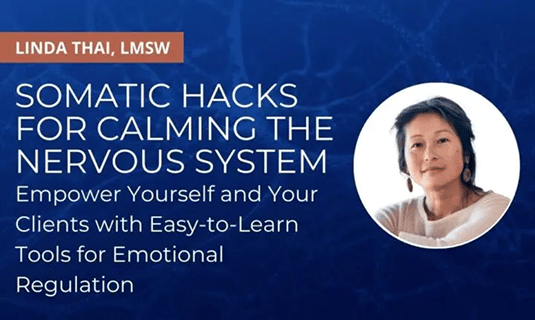
What you´ll learn:
- Vestibular Engagement for Emotional Regulation
- Using the Eyes to Hack the Stress Response System
- Subtle Sounds to Release the Peri-Trauma Response
- Effective Self-Holding and Self-Swaddling Techniques
- How and When to Apply Bilateral Stimulation
- Integration and Completing the Stress Response Cycle