
Table of Contents
- Introduction: How One Clinician Changed Trauma Therapy
- The Early Story: Janina Fisher’s Journey
- The Birth and Evolution of TIST
- TIST’s Clinical Foundations and Unique Approach
- Janina Fisher’s Impact and Recognition
- TIST’s Influence and Growth in Modern Psychotherapy
- Recent Developments and Events in Trauma Therapy
- Actionable Takeaways for Clinicians
- Conclusion: The TIST Legacy and What’s Next for Therapists
Introduction: How One Clinician Changed Trauma Therapy
I’ve long admired how certain leaders in our field have quietly, yet persistently, reshaped the very fabric of modern trauma therapy. Janina Fisher Trauma Therapy Training—and specifically her development of the Trauma-Informed Stabilization Treatment (TIST)—stands as a testament to that kind of change. Today, I’m excited to explore Janina’s remarkable story and how her work has become foundational for therapists worldwide. If you’re searching for trauma certification training that’s both innovative and rooted in the latest evidence, healing the fragmented selves of trauma survivors is an essential starting point.
The Early Story: Janina Fisher’s Journey
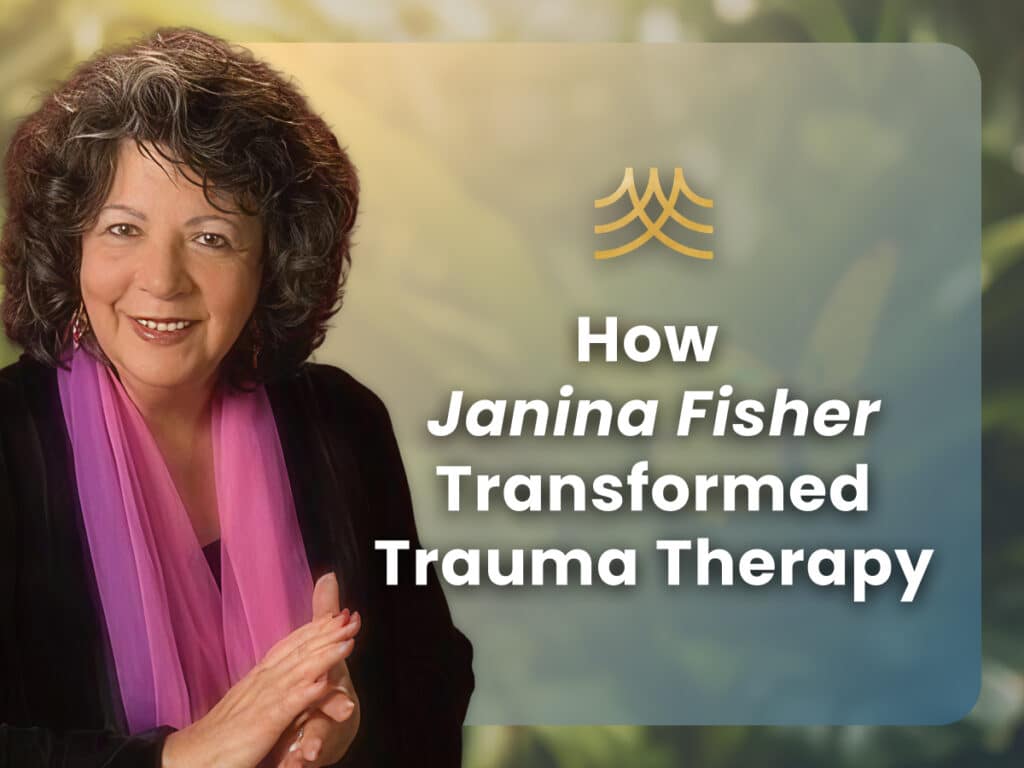
Dr. Janina Fisher’s path in the world of trauma therapy is marked by both personal and professional passion. A clinical psychologist, former instructor at Harvard Medical School, and early collaborator with Bessel van der Kolk at The Trauma Center, Janina became known for her ability to translate complex neurobiological research into practical, compassionate interventions.
Her early clinical work exposed her to the deep fragmentation experienced by trauma survivors, particularly those with histories of complex developmental trauma. Driven by the observation that classic “top-down” approaches often failed to reach the most wounded parts of her clients, Janina began searching for new answers—and found them at the intersection of neuroscience, somatics, and parts work.
The Birth and Evolution of TIST
The Trauma-Informed Stabilization Treatment (TIST) model began as an answer to the limitations Janina saw in prevailing modalities. Integrating her training in Sensorimotor Psychotherapy (with Pat Ogden), her experience in dissociation treatment, and her keen understanding of the nervous system, Janina developed a methodology that could compassionately address the “fragmented selves” of trauma survivors.
TIST blends somatic awareness, parts-oriented work, and practical stabilization strategies. It’s designed not only to reduce symptoms, but to help clients build an internal sense of safety, self-compassion, and integration.
As Janina writes in her influential book, Healing the Fragmented Selves of Trauma Survivors (Routledge, 2017):
“Integrating the disowned parts of ourselves is the cornerstone of trauma recovery.”
TIST’s Clinical Foundations and Unique Approach
What sets Janina Fisher Trauma Therapy Training and TIST apart from other trauma modalities is its clinical depth and nuanced application:
- Parts Work Meets Somatics: TIST recognizes that trauma often produces fragmented “parts” or subpersonalities, each carrying its own memories, feelings, and survival strategies. Rather than pathologizing dissociation, TIST normalizes and compassionately engages these parts.
- Neurobiological Underpinnings: TIST is grounded in the latest research on the nervous system and trauma memory reconsolidation. It incorporates insights from neuroscience, including Polyvagal Theory and the role of implicit memory.
- Stabilization as Foundation: TIST prioritizes stabilization, which is especially critical for clients with histories of chronic abuse, neglect, or dissociation.
- Practical, Relational Skills: The model offers therapists concrete tools for helping clients differentiate between “then” and “now,” fostering both safety and engagement.
For therapists seeking trauma certification training that is both evidence-based and deeply practical, TIST has become a gold standard.
Janina Fisher’s Impact and Recognition
Dr. Fisher’s influence is recognized globally, both in the clinical community and in academic circles. She is the recipient of the International Society for the Study of Trauma and Dissociation (ISSTD) Lifetime Achievement Award (2020), honoring her pioneering contributions (ISSTD). Her teachings are foundational at international trauma conferences and in graduate programs focused on complex trauma and dissociation.
Janina’s recent book, Transforming the Living Legacy of Trauma (PESI, 2021), is now a required text in many advanced training programs. Her leadership is further recognized by her regular keynotes at events such as the European Society for Traumatic Stress Studies (ESTSS) and the International Society for Traumatic Stress Studies (ISTSS).
“We can’t change the past, but we can change our relationship to it—and that changes everything for trauma survivors.”
—Janina Fisher, ESTSS Conference 2023 (ESTSS)
TIST’s Influence and Growth in Modern Psychotherapy
TIST’s reach has expanded dramatically in the last several years. In 2024, more graduate programs and clinical trainings are integrating TIST as a core component. Its adaptability for both in-person and telehealth practice has made it especially relevant in an age of evolving mental health delivery models.
Recent research shared at the 2024 ISTSS Annual Meeting showcased TIST’s effectiveness in reducing avoidance and dissociative symptoms in complex trauma populations. The model’s emphasis on internal safety and self-compassion is now referenced in academic publications and professional guidelines.
TIST’s influence is also apparent in the growing number of therapists seeking specialized certification. The TIST Certification Training is now available in both live and on-demand formats, making it accessible to a global clinician audience.
Recent Developments and Events in Trauma Therapy
Therapists today must stay on top of a rapidly shifting landscape. In the past year, regulatory changes have impacted telehealth trauma care, driving an increased demand for flexible, evidence-based modalities like TIST (APA News). Meanwhile, trauma therapy remains at the center of professional development, with new research and best practices being shared at major conferences.
Upcoming Conferences to Watch:
- ISTSS 41st Annual Meeting: September 17–20, 2025, Baltimore, MD. This year’s focus is on exploring the varying frontiers in traumatic stress, employing global perspectives and creative solutions to strengthen and extend our understanding of the prevention, assessment and treatment of trauma.
- ESTSS 2025 Conference: June 2025, Tibilisa, Georgia (Europe). 18th biennial conference of the European Society for Traumatic Stress Studies Exploring New Approaches for Healing and Recovery in Times of Global Uncertainty and Extreme Stress
Therapy Wisdom offers a wide variety of high-excellence therapy courses online for ongoing trauma continuing education. If you are new to Janina Fisher´s TIST modality, or seeking to deepen your expertise, the healing the fragmented selves of trauma survivors free therapist training is a comprehensive and easy way to get started.

Join Dr. Janina Fisher for a FREE webinar
Healing the Fragmented Selves of Trauma Survivors
In this free webinar, Dr. Janina Fisher will help you:
How to identify and work with fragmented selves in trauma survivors.
How to stabilize chronically at-risk clients using TIST principles.
How to address self-alienation and dissociation to foster self-acceptance.
How to navigate therapeutic gridlock and work effectively with resistant, stuck, or emotionally overwhelmed clients.
Actionable Takeaways for Clinicians
- Prioritize Internal Safety: Use TIST stabilization protocols early with highly dissociative or fragmented clients.
- Integrate Somatic and Parts Work: Blend sensorimotor and parts-based interventions for greater efficacy and client engagement.
- Keep Learning: Attend top trauma conferences and explore advanced therapy courses online.
- Join a Community: Leverage peer support and supervision options available through Therapy Wisdom’s network.
- Embrace Flexibility: TIST works across telehealth and in-person platforms, making it suitable for today’s evolving practice landscape.
- Consider Certification: Pursue TIST Certification Training to formalize your expertise and stay current with best practices.
Conclusion: The TIST Legacy and What’s Next for Therapists
Reflecting on Janina Fisher Trauma Therapy Training and its transformative impact, I’m struck by how her integrative and compassionate approach continues to shape the future of trauma therapy. For clinicians, engaging with the TIST model isn’t just about adding a new tool—it’s about joining a movement toward truly holistic, client-centered healing. If you’re ready to deepen your skills and join a global community of trauma-informed therapists, healing the fragmented selves of trauma survivors is your next step.
We hope to see you in the community soon!
Warmly,
Heather