
Table of Contents
- Introduction: Why Memory Reconsolidation Is Transforming Therapy
-
FAQ: Memory Reconsolidation in Clinical Practice
- What is memory reconsolidation, and why does it matter for therapy?
- How does memory reconsolidation differ from traditional exposure therapy?
- Which clients and issues benefit most from memory reconsolidation therapy?
- What are the key steps or phases in memory reconsolidation-based therapy?
- How can therapists use memory reconsolidation techniques ethically and safely?
- Conclusion: Integrating Memory Reconsolidation Into Advanced Practice
Introduction: Why Memory Reconsolidation Is Transforming Therapy
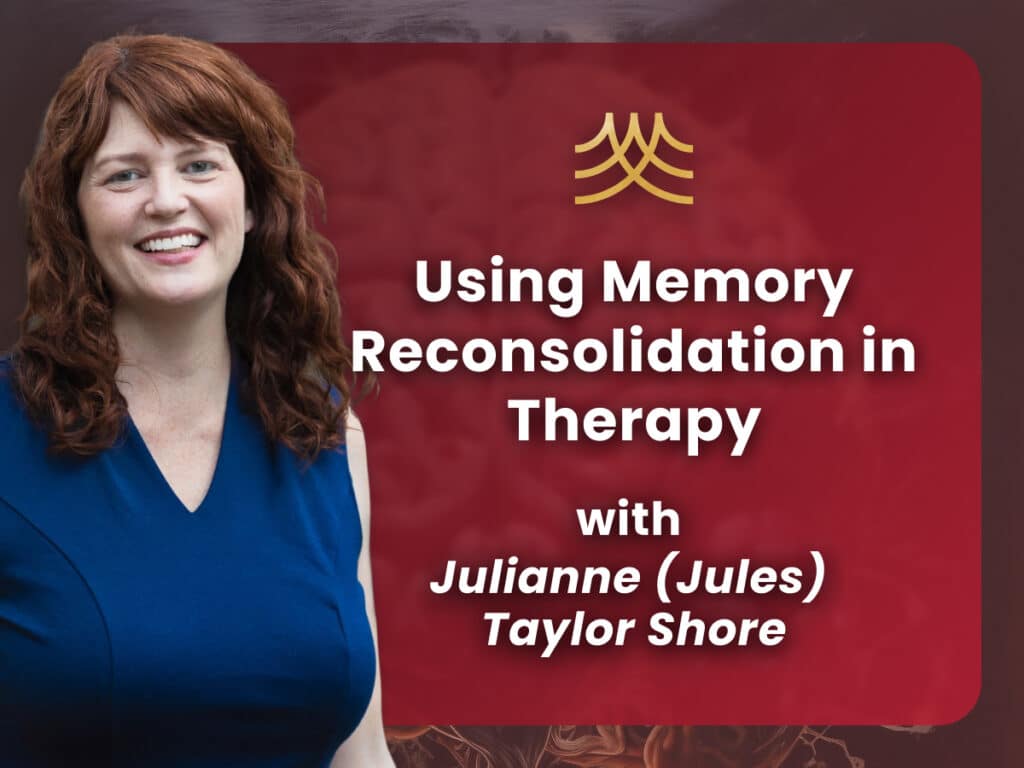
I’ve noticed a surge of interest in memory reconsolidation therapy among advanced clinicians this year – in fact, it´s one of the top 3 search terms therapists use to find our website. That´s telling. As neuroscience continues to deepen our understanding of how memories are stored, retrieved, and changed, therapists now have powerful science-backed tools for helping clients transform entrenched patterns and heal lasting wounds. In this FAQ, you’ll find the most essential, up-to-date strategies, research, and resources for using memory reconsolidation in your trauma therapy practice. For stepwise clinical skills, Jules Shore’s memory reconsolidation techniques training is an advanced pick. Here´s a tast of her perspective:
FAQ: Memory Reconsolidation in Clinical Practice
What is memory reconsolidation, and why does it matter for therapy?
Memory reconsolidation is the brain’s natural process of updating emotional memories when new, incompatible experiences occur during recall. In therapy, this means that entrenched emotional responses—like phobias, trauma triggers, or shame—can be fundamentally transformed, not just managed.
How does memory reconsolidation differ from traditional exposure therapy?
Traditional exposure therapy focuses on reducing distress through repeated, controlled exposure to feared memories or stimuli.
Memory reconsolidation, however, emphasizes neurobiology mismatch experiences—bringing up the old memory while simultaneously introducing new, emotionally significant information that contradicts the old learning, leading to actual neural updating.
Which clients and issues benefit most from memory reconsolidation therapy?
- Clients with persistent trauma triggers, shame, or fears that don’t resolve with cognitive or exposure-only work.
- Complex PTSD, attachment wounds, entrenched negative beliefs, and even some addictive behaviors respond well to this approach.
- It is especially valuable for clients who want deep, lasting change rather than symptom management.
What are the key steps or phases in memory reconsolidation-based therapy?
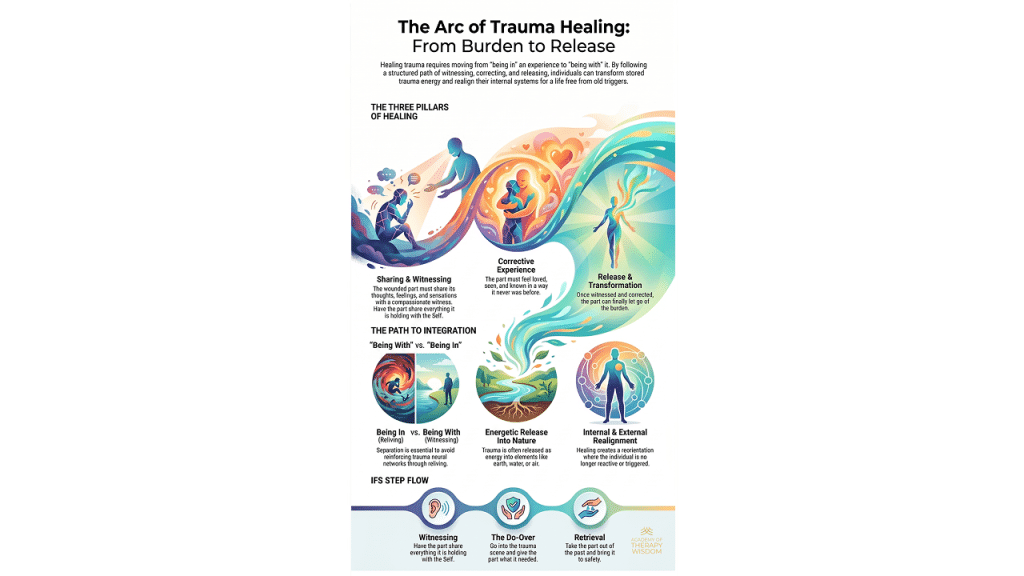
- Reactivate the Target Memory: Elicit or evoke the emotional memory in a safe, relational context.
- Create a Mismatch Experience: Introduce new, contradictory information or experiences—often through parts work, somatic tracking, or compassionate relational presence.
- Re-Encode the Memory: Allow the brain to integrate the new experience, replacing the old emotional response with a more adaptive one.
- Reinforce and Test: Check for persistent change; reinforce the new pattern as needed.
How can therapists use memory reconsolidation techniques ethically and safely?
- Prioritize client safety and readiness—avoid re-traumatization by ensuring strong relational trust and stabilization.
- Keep interventions collaborative; always seek client consent before evoking difficult memories.
- Monitor for dissociation or overwhelm and return to grounding as needed.
- Use supervision and ongoing training to stay updated on best practices (Society for the Exploration of Psychotherapy Integration).

JOIN a FREE WEBINAR TRAINING with Jules Taylor Shore
Deep Brain Shifts: A Demonstration of Memory Reconsolidation in the Therapy Room
In this free webinar you’ll learn:
Learn how memory reconsolidation works in therapy.
Use STAIR principles for effective brain change.
Watch a live demo of memory reconsolidation in action.
Apply neuroscience to improve therapy outcomes.
Conclusion: Integrating Memory Reconsolidation Into Advanced Practice
As I reflect on the evolution of trauma therapy, I’m convinced that memory reconsolidation therapy is quickly becoming a cornerstone of advanced, science-based practice. Its power to create lasting change, for even the most entrenched patterns, is extraordinary. If you’re ready to bring these cutting-edge tools into your work, Jules Shore’s memory reconsolidation techniques training is a top introductory-level resource, and will prime you to go deeper, fast. We hope you enjoy it and find it very useful.
Warmly,
Heather