

The Future of Therapy: Why an Integrated Psychotherapy Approach Matters
Inevitably, you’ve encountered clients who don’t respond to just one modality. Maybe traditional talk therapy isn’t enough, or CBT alone doesn’t address the deep-rooted emotional patterns your clients struggle with. You’ve probably wished for a more flexible, comprehensive approach—one that meets clients where they are while addressing the complexities of their healing journey. That’s exactly where an integrated psychotherapy approach comes in.By combining multiple evidence-based methods, this approach allows therapists to tailor interventions to each client’s unique needs. Whether you specialize in trauma work, attachment-based therapy, or somatic healing, integrating modalities can make a significant difference in client outcomes. If you’re looking for guidance on applying this approach, check out this experiential therapy training with Jules Taylor Shore.

Join Juliane Taylor Shore for a FREE 90-minute webinar
Experiential Therapy Techniques: A Neurobiological Approach to Self-Compassion Therapy
During the webinar, you will learn:
A practice to increase self-compassion towards yourself as you do your work so you can both embody and benefit from self-acceptance.
The neurobiological difference between empathy and compassion so you keep use them judiciously in practice.
How to set up experiential practices so clients can discover and experience self-compassion.
What is an Integrated Psychotherapy Approach?
An integrated psychotherapy approach combines different therapeutic modalities to create a personalized and effective treatment plan for clients. Rather than adhering strictly to one framework, therapists blend techniques from multiple disciplines, such as:
- Cognitive-Behavioral Therapy (CBT) for restructuring negative thought patterns.
- Somatic Experiencing to address trauma stored in the body.
- Attachment-Based Therapy to explore early relational wounds.
- Internal Family Systems (IFS) to work with different parts of the self.
- Mindfulness-Based Interventions to enhance present-moment awareness.
- Polyvagal Theory Techniques to regulate the nervous system and promote safety.
- Expressive Arts Therapy to facilitate non-verbal emotional processing.
- Dialectical Behavior Therapy (DBT) for emotional regulation and distress tolerance.
By drawing from multiple schools of thought, therapists can support clients more holistically, allowing for deeper, more sustainable healing.
The Benefits of an Integrated Psychotherapy Approach
1. More Personalized Treatment Plans
Each client is unique, and a one-size-fits-all approach rarely leads to lasting change. Holistic therapy approaches provide flexibility, allowing therapists to customize treatment based on the individual’s needs, history, and goals. This leads to increased client satisfaction and improved therapy engagement.
2. Better Outcomes for Complex Cases
Clients dealing with trauma, anxiety, depression, or relational issues often benefit from a multifaceted approach. Trauma-informed therapy techniques can be integrated with cognitive and somatic methods, ensuring that therapy addresses both mind and body. For example, trauma clients may need somatic work to process stored trauma before engaging in cognitive restructuring.
3. Enhanced Therapeutic Relationship
Clients feel more seen and understood when therapy is adapted to them rather than being forced into a rigid model. The therapeutic alliance strengthens when therapists can shift methods based on what resonates with the client. A strong alliance is more likely to lead to positive therapy outcomes.
4. Greater Therapist Flexibility and Growth
For therapists, learning and applying an integrated psychotherapy approach fosters professional growth and adaptability. Therapists with a diverse toolkit can serve a wider range of clients and deepen their expertise in different therapeutic modalities.
How Different Modalities Work Together
Combining Attachment-Based Therapy and Somatic Practices
Many clients struggle with anxiety and emotional dysregulation due to attachment wounds. When therapists combine attachment-based therapy with somatic experiencing, they help clients process emotions both cognitively and physiologically. Somatic techniques like grounding exercises can support clients in managing overwhelming attachment-related emotions.
Blending Cognitive Behavioral Therapy (CBT) with Mindfulness-Based Interventions
While CBT helps clients reframe negative thought patterns, adding mindfulness-based interventions fosters self-compassion and emotional regulation, deepening the therapeutic impact. Mindfulness helps clients become aware of their thoughts without judgment, complementing CBT’s cognitive restructuring process.
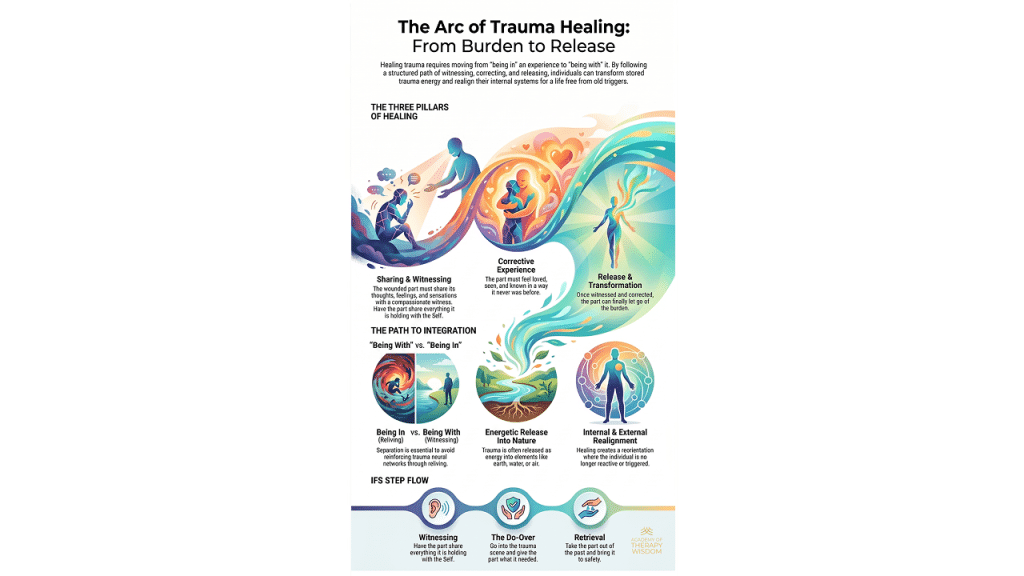
Integrating Internal Family Systems (IFS) with Trauma Therapy
IFS helps clients understand their internal parts, while trauma-focused methods like EMDR therapy address unresolved memories. Together, these techniques create a powerful framework for trauma healing, helping clients reprocess past experiences while developing self-compassion.
Using Polyvagal Theory to Support Nervous System Regulation
Therapists can integrate polyvagal-informed therapy to help clients regulate their nervous system. This is particularly useful for clients with PTSD or chronic anxiety, as it fosters a sense of safety and resilience.
Key Techniques to Implement an Integrated Approach
1. Assess Client Needs Holistically
Before integrating modalities, take a comprehensive intake assessment to understand the client’s history, emotional landscape, and therapy goals. This helps in selecting the most effective techniques.
2. Use a Flexible, Client-Centered Approach
Be ready to adapt methods depending on how a client responds. A client who struggles with traditional talk therapy may benefit from somatic healing practices or expressive arts therapy.
3. Encourage Mind-Body Awareness
Many emotional wounds are stored in the body. Using body-oriented psychotherapy techniques, such as guided breathing or movement exercises, can complement cognitive approaches and promote self-regulation.
4. Leverage Psychoeducation
Educate clients about different techniques so they understand how and why you’re integrating multiple modalities. This increases engagement and empowerment in their healing process.
Who Can Benefit from an Integrated Psychotherapy Approach?
Clients with Trauma Histories
Those who have experienced complex trauma often require a blend of trauma-informed therapy methods to process their experiences safely.
Individuals Struggling with Anxiety and Depression
By combining cognitive-behavioral strategies with mindfulness, therapists can help clients manage symptoms more effectively. Clients benefit from tools that promote resilience and emotional balance.
Clients Facing Relationship Challenges
Attachment-focused therapy combined with somatic and mindfulness-based techniques can support individuals in healing relational wounds and fostering secure connections.
Clients with Chronic Stress or Nervous System Dysregulation
Many individuals experience chronic stress and burnout, which can benefit from nervous system regulation strategies such as polyvagal-informed therapy and breathwork.
How to Deepen Your Practice with Integrated Therapy Training
As the field of psychotherapy continues to evolve, so should our approaches. Learning how to apply an integrated psychotherapy approach in practice can expand your toolkit and improve client outcomes. If you’re ready to deepen your skills and explore this experiential therapy training with Jules Taylor Shore. It’s designed to equip therapists with the knowledge and techniques to integrate modalities effectively.By embracing integration, you’ll not only offer more personalized care but also empower clients to heal on multiple levels—mentally, emotionally, and somatically. Take the next step in 2025 and explore how an integrated approach can transform your practice.