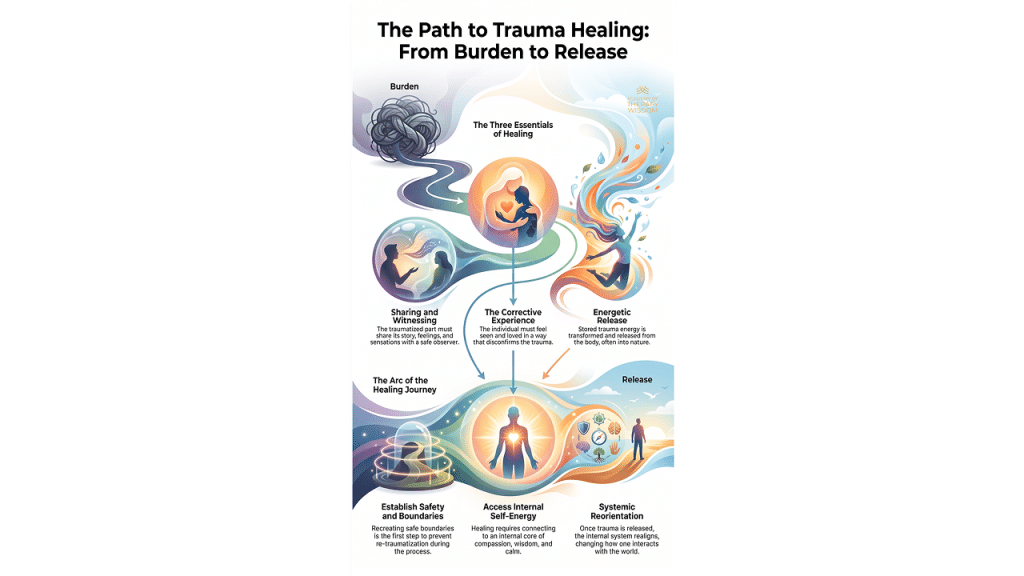


In the world of therapy, emerging modalities offer a beacon of hope for addressing deep-rooted trauma. Psychedelic therapy training unlocks powerful tools for therapists seeking to enhance their client outcomes and foster lasting transformation. If you’re ready to deepen your understanding of trauma healing, consider exploring groundbreaking online courses like psychedelic therapy for trauma healing training.
Psilocybin-Assisted Therapy for PTSD: A Promising Approach
Psilocybin-assisted therapy, a specific form of psychedelic therapy, is demonstrating remarkable results in clinical trials for PTSD. A 2021 study published in the Journal of Psychopharmacology showed significant reductions in PTSD symptoms following psilocybin treatment, with many participants reporting a newfound ability to process traumatic memories without overwhelming emotional distress. This approach utilizes the effects of psilocybin to open clients to new perspectives, facilitating breakthroughs in the healing process.
There is a growing body of evidence suggesting that psychedelics, when administered in a safe and controlled setting with proper therapeutic guidance, can promote neuroplasticity, the brain’s ability to form new connections. This increased neuroplasticity may be a key factor in how psilocybin helps individuals with PTSD develop new coping mechanisms and reframe negative thought patterns associated with their trauma.
Key Benefits of Psychedelic-Assisted Therapy
Enhanced neuroplasticity:
Psychedelic compounds promote new connections in the brain for greater flexibility in thought and behavior, as mentioned above. A 2022 study in Nature Medicine suggests that psilocybin can trigger the growth of new dendritic branches in brain cells, potentially leading to improved cognitive function and emotional regulation.
Reduced emotional numbing:
Individuals can safely address painful experiences that underlie PTSD and other trauma-based disorders. A 2020 case study published in the Journal of Psychedelic Studies details the successful use of psilocybin-assisted therapy in treating a veteran with chronic PTSD. The therapy sessions allowed the client to confront and process repressed memories, leading to a significant reduction in emotional numbing and avoidance behaviors.
Deepened self-awareness:
These therapies offer profound insights into patterns and beliefs that can fuel trauma responses. Therapists like Dr. A.P. Pollan, author of the book “How to Change Your Mind,” report that psilocybin-assisted therapy sessions can facilitate a mystical experience, leading to a deeper sense of self and a connection to something larger than oneself. These experiences can be highly transformative for clients struggling with trauma by fostering self-compassion and acceptance.
A sense of connectedness:
Clients often report a deepened sense of belonging and connection, fostering healing. A 2016 study in the Journal of Psychopharmacology explored the use of psilocybin in healthy volunteers. The study found that participants reported a significant increase in feelings of social connection and a decrease in feelings of isolation following psilocybin administration. This enhanced sense of connection can be a powerful tool for individuals with PTSD who often experience feelings of loneliness and social isolation.

Join DaeEss 1Drea Pennington Wasio, MD, for a FREE 60-minute webinar
Psychedelic Therapy at the Crossroads of Neuroscience and Spirituality
In this free webinar, Susan will show you:
Understanding how psychedelics affect the brain through neuroscience.
Facilitates introspection, reprocesses trauma, fosters emotional breakthroughs.
Enhance brain flexibility, promote profound change, facilitate transformation.
Provide guidance, ensure safety, offer integration support.
Integrating Psychedelic Therapy Into Your Existing Practice
Integrating psychedelic therapy into a trauma-focused practice requires specialized training and understanding. As a therapist, you can build skills that complement traditional modalities. Therapists with existing trauma expertise are well-positioned to integrate psychedelic approaches due to their understanding of the therapeutic process and ability to create a safe and supportive environment for clients.
Psychedelic Therapy Skill Building
Here are some key areas of focus for developing competencies:
- Preparation and Integration of healing sessions:
Learn the crucial steps before and after psychedelic sessions to maximize therapeutic benefits. Preparation sessions involve setting clear intentions, discussing potential challenges, and establishing a sense of trust between therapist and client. Integration sessions help clients process the experiences they have during psychedelic sessions and translate them into lasting behavioral changes.
- Taking a Holistic Approach:
Trauma healing demands a whole-person view, with attention to mind, body, and spirit. Dr. Bessel van der Kolk, a leading trauma expert and author of the seminal work “The Body Keeps the Score,” emphasizes the importance of combining body-based techniques like somatic experiencing and mindfulness with cognitive therapies for comprehensive trauma healing. Integrating these approaches alongside psychedelic-assisted therapy amplifies the potential for lasting transformation.
Adjunct Psychotherapy Techniques
Combining psychedelic therapy with other modalities offers a multi-pronged approach to trauma treatment. Some therapies that integrate well include:
- Somatic-focused therapies: These approaches emphasize body awareness and grounding techniques, helping clients to reconnect with their physical sensations and regulate overwhelming emotional states.
- CBT (Cognitive Behavioral Therapy): Helps clients identify and shift negative thinking patterns that may be contributing to their trauma symptoms.
- EMDR (Eye Movement Desensitization and Reprocessing): Specifically designed for trauma, it uses eye movements to help clients process and reframe traumatic memories.
- Neurobiology Techniques: Using trauma healing practices based in neuroscience, such as memory reconsolidation, is a good way to increase the potency of psychedelic therapy sessions.
The Importance of Trauma Expertise
Psychedelic-assisted therapy for complex trauma necessitates extensive trauma training and experience. These powerful techniques must be applied with the utmost care and ethical adherence as they can potentially surface difficult emotions and traumatic memories.
“Therapists who work with psychedelics need to first be experts in trauma therapy. The psychedelics augment good therapy – they are not a replacement for it.” – Dr. 1Drea Pennington Wasio, Medical Doctor, Acupuncturist, and Psychedelic Integration Expert
Understanding the Therapeutic Relationship
A strong therapeutic alliance provides the foundation for safe and effective psychedelic therapy. This connection fosters the trust and containment essential for deep emotional exploration. Therapists specializing in psychedelic-assisted therapy require training in establishing rapport, managing transference and countertransference, and navigating potentially challenging moments that might arise during the psychedelic experience itself.
Psychedelic Therapy Training: Choosing the Right Program
When considering psychedelic therapy training, look for a curriculum that prioritizes clinical rigor and ethical practices alongside experiential components. Comprehensive training programs address the complexities of trauma, the neuroscience of psychedelics, and the importance of a robust therapeutic approach.
Key Considerations for Psychedelic Therapy Training:
- Faculty: Are the instructors established professionals in the field of trauma therapy and psychedelic-assisted practices? Look for leaders like Dr. Stanislav Grof, who conducted groundbreaking research on psychedelics in the mid-20th century, and contemporary experts specializing in trauma-informed approaches.
- Curriculum: Does the training cover essential theory on the history, neuroscience, and therapeutic applications of psychedelics, safety protocols, ethical considerations, and thorough integration strategies?
- Experiential Component: Is there supervised, responsible guidance on experiencing the effects of psychedelics? This firsthand understanding can provide valuable insights into the client experience, deepening empathy and therapeutic understanding.
- Community Support: Does the program offer continued connection and mentorship for participants? A strong support network is crucial for continued learning and collaboration in this emerging field.
Go Deeper
If you are ready to broaden your therapeutic toolkit and enhance your trauma healing practice, psychedelic therapy training can open up profound possibilities. Learn more from leaders in the field with in-depth online training like psychedelic therapy for trauma healing with Dr. 1Drea Pennington Wasio. Tap into transformative approaches and become part of a growing community dedicated to helping clients unlock lasting healing.