Alongside our enriching online therapy courses, we proudly presented the much-anticipated annual 2023 Wise Therapy Spotlight publication a compilation of profound essays and captivating artwork from our esteemed psychotherapy training community. We extend our sincere gratitude to all contributors who shared their insights and talents, making this publication a true testament to the brilliance within our community. Enjoy one of the submissions from our community members below.
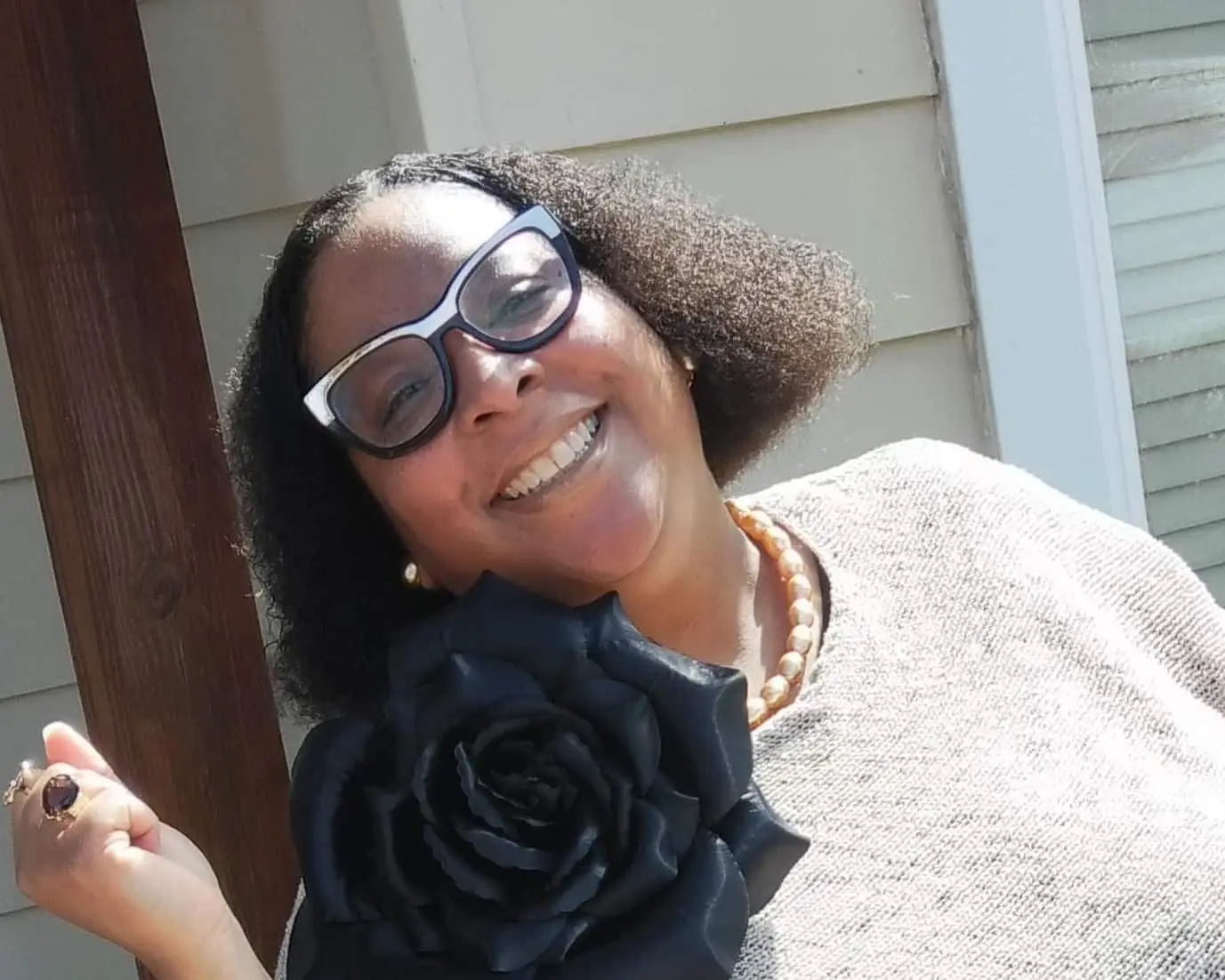
Keenan Mosely, LCMHC
How, as a community, do we repair a sick world when it is anguished with mental suffering?
We can be more proactive and preventive. Promoting health and wellness includes taking a look at ourselves as a community, not just looking at the individual who is suffering from mental health issues. We are not here to “fix” you but to walk with you. We can help repair this by listening to and respecting the experiences that those who are suffering are going through due to repeat exposure to ongoing issues that remain unaddressed in our society, like social injustice and economic stratification. When we realize that we as a global community impact each other’s mental health by the way we treat each other, how we respond to each other’s needs, and how we regard each person’s experiences, we can increase healing in our communities.
We have to learn to value everyone’s life equally as a society.
In Western society, we often react with, “How can I fix the problem?”, so we can get back to work, and get back to the regular scheduled routine. We often react with do the same, get the same, be the same. When that is unrealistic and unreasonable and does not honor different lifestyle desires, choices, and unique identities. There is a need to have high regard for how beautifully diverse we are and how each person’s story is shaped by their experiences. We need to increase positive engagement and decrease implicit biases. When we as a people can look at each individual and say, I respect you for who you are, then we can get to the healing process.
The way we treat each other daily impacts our mental health.
When everyone does not have the same opportunity to have their basic needs met and when the stress of being treated differently goes unnoticed and unaddressed we exasperate mental suffering. Combatting these ongoing issues daily is stressful and impacts mental health. Many individuals are striving to increase health and wellness while combatting societal woes that complicate and create barriers to relief from ongoing and unwanted stress. Some chronic stressors are thrust upon us at birth due to our racial and ethnic identity. The American Dream expresses hard work pays off. Hard work mixed with inequitable practices creates levels of stress which can negatively impact mental health.
It is important to emphasize that addressing mental health is a lifestyle.
It is important to address issues about crisis, diagnosis, and medication management. It is also important to address getting adequate rest, setting boundaries, and having adequate time and support to regularly take care of one’s overall health and wellness needs. I think it is important to continue to raise awareness of how mental health is connected to every aspect of a person’s life. Exposure to chronic stress can increase mental suffering, raise one’s blood pressure, or cause other physical health problems over time. Chronic stress can sap your energy and deplete motivation to complete tasks, change your mood, and impact your level of functioning at home, work, and elsewhere. The challenge is aligning a health-conscious lifestyle with the demands of everyday life. Working, paying bills, provisions for food, clothing, shelter, having family time, vacations, etc. We constantly have a lot to juggle! All of these important lifestyle needs and values impact our mental health.
It is important as a community to be intentional about addressing societal expectations that can increase stress.
What is often praised in American society is to keep working, and producing. Setting boundaries and valuing individualized self-care can help increase a healthy resistance to unrealistic and unrelenting expectations that disregard the importance of focusing on a healthy, balanced lifestyle. As a community, we must keep addressing the long-term impact of exposure to chronic stress that is often due to unrealistic workloads, the burden of the high cost of debt to further one’s education, and dealing with social injustices and inequitable practices. These issues negatively impact mental health and can have long-term effects. Honoring diversity is very important. Having respect for and honoring cultural diversity is key to repairing the damage of the innumerable times a non-white person seeks support and feels that their issues are unaddressed or improperly addressed when there is a disconnect due to working with a person who does not understand their unique cultural experiences. Let’s decrease the negative impact of feeling unheard and often misunderstood from a cultural perspective.
This happens to many underserved populations, which can impact one’s mental health.
Increase Awareness of Mental Health Suffering to Decrease Stigma
I think that providing training to increase awareness about mental health suffering can help decrease stigma and help increase support from those we interact with daily. Providing training in school systems and the workplace can help repair the damage of stigma that prevents some from seeking support. Mental health has been a “hush-hush” topic for many due to stigma. It is important to advocate for training in the workplace, the education system, and community-wide to increase awareness and support the importance of applicable knowledge regarding mental health issues. I have been involved in training for Mental Health First Aid and Question Persuade Refer. Due to the impact of COVID, there has been funding to provide these trainings. These types of training can help reduce stigma and better inform our communities about the importance of learning about mental health. Many have been exposed to the ills of historical trauma, racial trauma, and different types of trauma. Training on the impact of trauma on how it affects the person you work, live, and have personal relationships with can effectively increase awareness and destigmatize mental health issues. It can help promote awareness about some of the societal issues, pressures of life, and unforeseen situations that have negatively impacted a person’s mental health. Training and awareness can open up the communication process. Talking about mental health at home, at school, and at work is imperative for our community healing process.
Mental health is not a separate issue, it’s a daily part of our lives. And every day we must be aware of the importance of prioritizing our mental health. As well as being accountable for how our actions and interactions as a community at large impact mental health.
[author] [author_image timthumb=’on’]https://therapywisdom.com/wp-content/uploads/2024/02/Keenan-Mosely-Headshot-300×240.webp[/author_image] [author_info]Keenan Mosley is a Licensed state board mental health counselor, National Certified Counselor, trained in trauma informed care, committed to working with at risk youth. [/author_info] [/author]
If you would like to be inspired by more of the essays and artwork published in the Wise Therapy Spotlight December 2023 Issue,Click to Download the PDF now.
About the Author
Heather Philipp
Heather Philipp is a purpose-based marketing professional and coach, therapeutic voice work practitioner, seasoned meditator, and novice gardener. She contributes therapist resource articles and discovery strategies for therapist training courses as a team member at Academy of Therapy Wisdom. Originally from small-town Michigan, and a graduate of Naropa University, Boulder, Colorado, Heather currently lives in coastal Chile with her daughter, their rescued terrier, Rosie, and countless South American plant and bird species she is still learning the local names for.