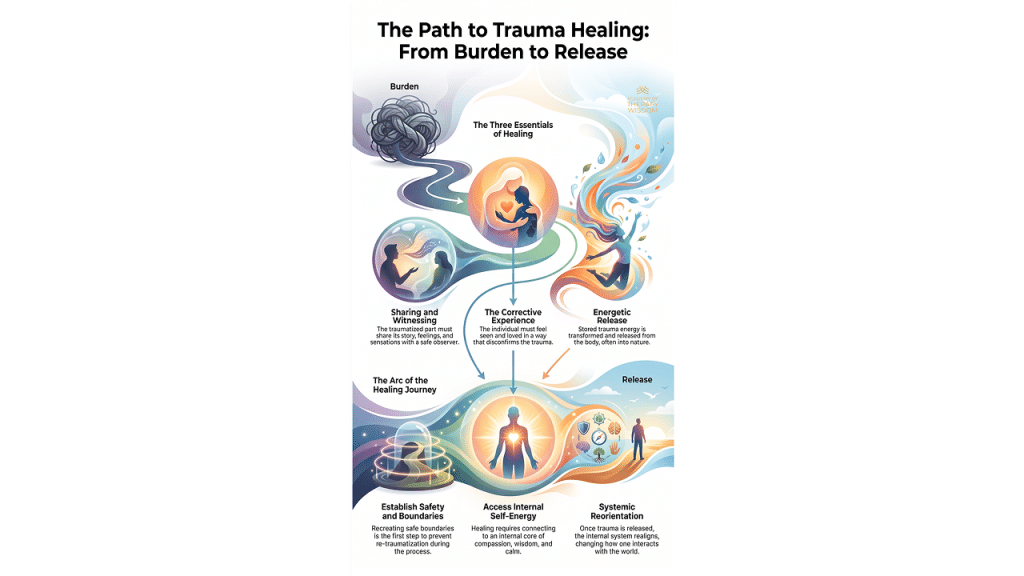


As we look ahead, the field of mental health is embracing new and evolving methodologies to better serve clients. Here’s a glimpse into the future of mental health care trends and how therapists are gearing up to meet growing demands and deepening into new skill sets with innovative online trainings for therapists, valuable peer-community support, and more.

Mental Health Trends to Consider: A Psychotherapists Guide
Trauma-Informed Care
Mental health professionals are increasingly turning towards trauma-informed care, emphasizing safety, empowerment, and respect. This approach acknowledges the profound impact trauma has on individual lives. Benefits to Clients include:- Enhanced sense of safety in therapy sessions.
- Greater empowerment in addressing personal trauma.
- Deepened understanding and respect for individual trauma experiences.
- The Academy of Therapy Wisdom leads in offering advanced training, featuring experts like Dr. Janina Fisher and Frank Anderson, who specialize in the TIST trauma therapy methodology.
Trends in Integrated and Holistic Therapeutic Care
Recognizing the interconnection between mental and physical health, therapists are collaborating with medical professionals for integrated care. This mental health treatment trend is evident in the rise of somatic therapy, which combines traditional psychology with physical awareness for profound healing. Generative Somatics, as taught by somatic therapy expert Staci K. Haines, is a notable advancement in this area as it integrates trauma healing on both individual and systemic levels. Benefits to Clients:- A holistic approach addressing mental, emotional, and physical (and often spiritual) wellness.
- Deeper healing through the combination of psychological and physical therapies.
Cultural Competence, Diversity, and Privilege in Mental Health
We are projecting to see in developing trending psychology perspectives a heightened emphasis on cultural competence in therapy to better ensure inclusive care that respects clients’ diverse backgrounds and experiences. This is particularly crucial in couples therapy, where partners often hail from varied cultural contexts, impacting their experience of social injustice and bias. Gain deeper insights into this dynamic way of working in clinical practice with Akilah Riley-Richardson’s courses. You can get started with her free online training in systemic trauma and relational privilege in couples therapy.Mindfulness Trends Growth in Psychology
Mindfulness and meditation are becoming more than therapeutic trends; they are going mainstream in psychotherapy practices, widely recognized for their effectiveness in stress reduction and emotional well-being enhancement. The Internal Family Systems (IFS) model, taught by Frank Anderson, harnesses these techniques to tap into “self-energy” for healing, recognizing the need to connect in a spiritual way to deepen and strengthen the healing parts of ourselves. Benefits to Clients:- Reduced stress and improved emotional regulation.
- Enhanced overall mental health through mindfulness practices.
Neuroscience, Neurobiology, and Psychology
Moving beyond traditional symptom-focused approaches, therapists in 2024 are delving into neurobiology to understand how the brain locks into problematic patterns due to trauma. Topics like repatterning and memory reconsolidation are gaining traction and are sure to be one of the big trends in counseling techniques in the coming year. Benefits to Clients:- Targeted approaches to repattern and reconsolidate memories.
- More effective strategies for dealing with anxiety and trauma.

Join Juliane Taylor Shore for a FREE 90-minute webinar
Experiential Therapy Techniques: A Neurobiological Approach to Self-Compassion Therapy
During the webinar, you will learn:
A practice to increase self-compassion towards yourself as you do your work so you can both embody and benefit from self-acceptance.
The neurobiological difference between empathy and compassion so you keep use them judiciously in practice.
How to set up experiential practices so clients can discover and experience self-compassion.
Gender and Sexual Identity Trends In Psychotherapy
Providing great care to LGBTQA+ clients is a growing focus that will continue to be at the forefront of mental health topics, ensuring safe and inclusive environments. Being informed and trained in topics like nonbinary gender therapy and how to support youth in gender transitions or questioning periods are increasingly relevant, and of great importance in every therapist´s practice. Benefits to Clients:- Supportive and affirming care for gender and sexual identity issues.
- Tailored therapeutic approaches that address unique challenges.
Therapist Self-Care and Wellbeing Ranks High In Importance
More and more therapists are learning how prioritizing self-care to prevent burnout can improve our quality of life, while also improving care quality. This trend amongst psychology professionals includes supervision, self-reflection, and practices like therapeutic yoga and mindful movement. Benefits to Clients:- Improved quality of care from well-balanced therapists.
- More empathetic and effective therapy sessions.
- Happy, more fulfilled psychotherapists.