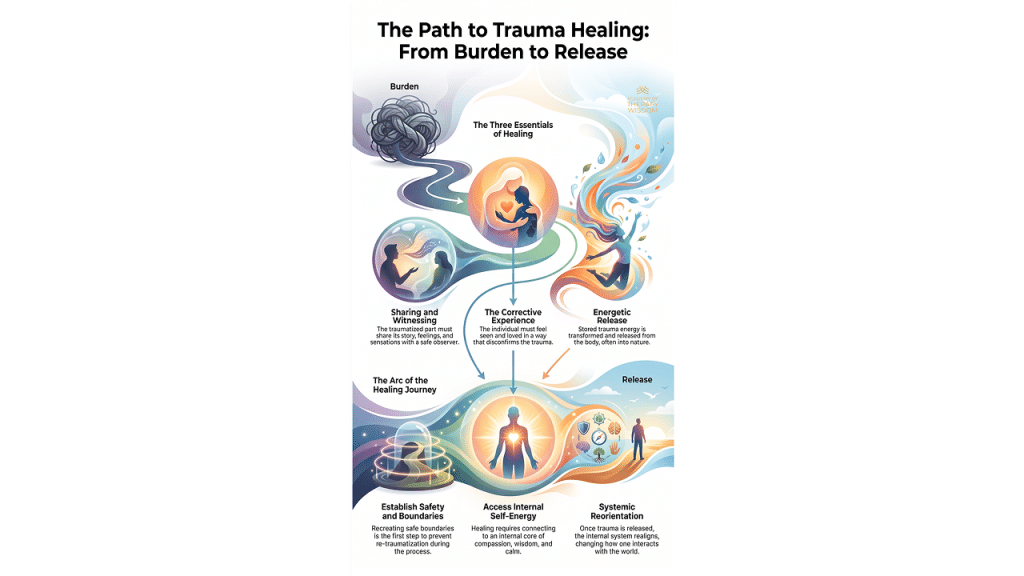


Does unresolved trauma cause addiction? This question has been at the forefront of psychological research for years. As we dive into the latest perspectives from 2023, we’ll explore the relationship between trauma and addiction, shedding light on the trauma addiction cycle, trauma-informed addiction treatment, and the ways that trauma often leads to addiction.
The Trauma Addiction Cycle
According to the American Psychological Association, trauma is “an emotional response to a terrible event like an accident, rape, or natural disaster.” While initial reactions such as shock and grief typically fade, some individuals face longer-term reactions, including:
– **Unpredictable emotions**: These can range from severe mood swings to prolonged periods of sadness or apathy.
– **Flashbacks**: Vivid, often distressing, memories of the traumatic event.
– **Physical symptoms**: Including headaches or nausea.
Trauma can manifest mentally, psychologically, emotionally, and physically. While not everyone who experiences trauma develops an addiction, there’s a clear link between the two. For many, addiction becomes a coping mechanism to escape the pain of trauma.
Trauma-Informed Addiction Treatment
Recognition of trauma as a root cause of addiction isn’t new. Addiction treatment professionals have long understood trauma’s role in substance abuse disorders and relapse. The National Center for Post-Traumatic Stress Disorder and the Department of Veterans Affairs report:
– A PTSD diagnosis increases the risk of alcohol and/or drug abuse.
– 10-33% of survivors of accidents, illnesses, or natural disasters report alcohol abuse.
– Both male and female sexual abuse survivors have a higher rate of drug and/or alcohol abuse.
– Up to 75% of people who survive abuse or violent trauma develop substance abuse problems.
Top 3 Forms of Trauma Leading to Addiction
- Childhood Neglect and Abuse: The Adverse Childhood Experience study found a direct correlation between severe childhood stress and various addictions. A child with four or more adverse experiences is significantly more likely to develop addictions.
- Sexual Abuse: Survivors, both male and female, experience higher rates of substance abuse.
- Violent Trauma: Those who survive violent traumas, such as assaults or natural disasters, often turn to substances as a coping mechanism.
How Childhood Trauma Leads to Addiction
The human brain’s adaptability plays a crucial role in how trauma affects individuals. Due to its plasticity, the brain can adapt to any experience. However, childhood traumas can lead to abnormalities in brain structure, causing cognitive and behavioral issues. High cortisol levels, common in childhood trauma, hinder normal brain development. As many as two-thirds of individuals with addictions experienced trauma during childhood, often modeling their substance abuse on behaviors observed in loved ones.
Trauma can lead to long-term mental health issues, including PTSD. Many individuals with PTSD use drugs or alcohol to manage their symptoms, which can include agitation, hypersensitivity, depression, and insomnia. This self-medication often exacerbates the problem, leading to a vicious cycle of trauma and addiction.
Dual Diagnosis: Complex Trauma and Addiction
A dual diagnosis, or co-occurring disorder, refers to individuals with PTSD and an addiction. Treating both simultaneously is crucial. Comprehensive addiction treatment, which sometimes begins with detoxification, includes behavioral rehabilitation and psychotherapy. By treating trauma and addiction concurrently, individuals have the best chance of recovery.
Engaging in somatic psychotherapy and other innovative psychotherapy trauma modalities, such as TIST (trauma-informed stabilization treatment), can be especially effective in supporting trauma survivors with complex or co-occuring disorders.
The Neurological Connection
The brain’s response to trauma is complex. The amygdala, responsible for detecting threats, becomes hyperactive after traumatic experiences. Simultaneously, the hippocampus, where memories are processed, becomes underactive. This imbalance results in the brain behaving as if the traumatic event is continuously occurring. With the brain in perpetual survival mode, logical thinking and behavior monitoring diminish, making addiction even harder to overcome.
The Path to Recovery
Recovery from trauma-induced addiction is a journey. The first step is recognizing the root causes, often requiring individuals to delve into their past. Instead of harboring feelings of shame or guilt, recognizing addiction as a coping mechanism for trauma can be liberating. Addressing underlying trauma becomes paramount. Individual and group therapies can be instrumental in navigating the emotions and feelings tied to trauma.
Conclusion
Understanding the deep-rooted connection between trauma and addiction is vital for effective therapeutic outcomes and recovery from addiction. By recognizing addiction as a coping mechanism for trauma, individuals can begin to address the underlying causes.
You can learn more about how unresolved trauma is connected to addictive behaviors with our free trauma and addiction training led by trauma therapy expert Janina Fisher, Ph.D.. This exclusive online training webinar offers insights and strategies for supporting your clients in recovery.

Join Trauma Informed Stabilization Treatment Webinar by Dr. Janina Fisher
Helping Trauma Survivors Get Unstuck: A Fragmented Selves Approach in Therapy
In This NEW Janina Fisher Webinar you will learn:
How to understand perplexing clients using the TIST perspective so you can see the fragmented selves at work.
How to organize a treatment plan using the TIST model so you have an effective approach to care.
How TIST helps shift even the most stuck clients so they can finally make progress.
How to relieve your frustration and prevent burnout with more effective trauma treatment.
on April 4, 9-10am PDT / noon-1pm EDT / 5-6pm BST