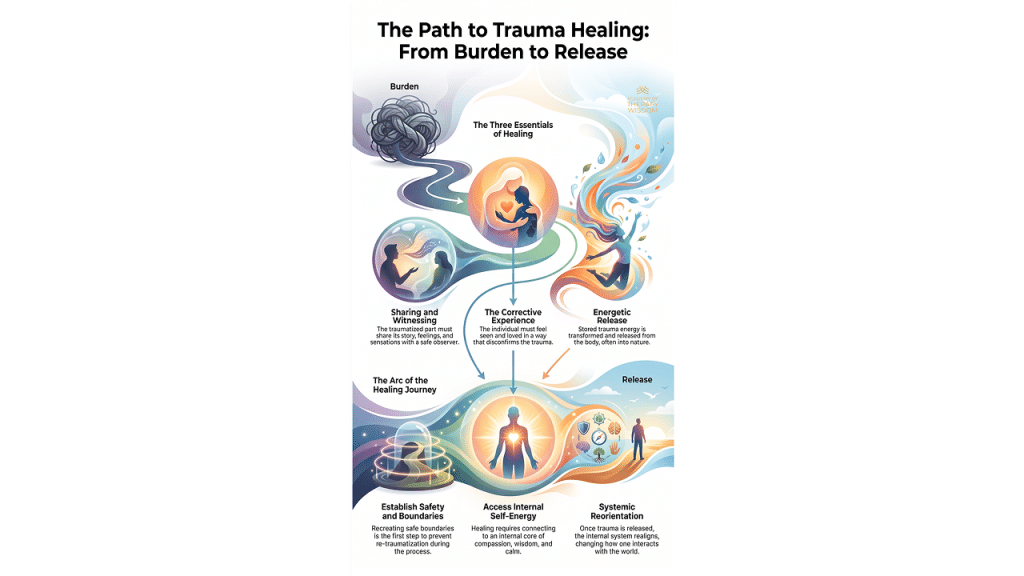


If you are a therapist today asking, “What is memory reconsolidation?” and “How do I use Neurobiological Approach to Self-Compassion Therapy with my psychotherapy clients?”, you will be well-served by today’s article. Today, we offer a recap of the popular webinar with Jules Taylor Shore (4,000 therapists registered!) looking at how memory reconsolidation helps anxiety.
You can view the webinar replay for a limited time here: Experiential Therapy Techniques. Please let us know if you have any questions about the webinar topic, or about Jules´s online courses for therapists learning about memory reconsolidation, boundaries work, and neurobiology for psychotherapy.
Understanding Memory Reconsolidation in Psychology: A Guide for Therapists
As therapists, we are always looking for new ways to help our clients achieve lasting change. Memory reconsolidation is a process that has gained attention in recent years as a way to address deep-seated emotional patterns and traumatic memories. In this article, we will explore what memory reconsolidation is, how it works, and how therapists can use it in their private practice.
What is Memory Reconsolidation in Psychology?
Memory reconsolidation is a process in which existing memories are reactivated and then modified through a process of consolidation.
When a memory is reactivated, it becomes vulnerable to change, and this vulnerability allows for new learning to occur. The goal of memory reconsolidation is to create new associations and meanings around past experiences that have been traumatic or emotionally challenging.
How does Memory Reconsolidation Work?
Memory reconsolidation is a method that therapists can use to help clients overcome deeply ingrained emotional patterns and traumatic memories. Here are three ways that therapists can use memory reconsolidation in their practice:
- The first step in memory reconsolidation is identifying the original subconscious learning or schema that is causing the problem. This is the deeply ingrained belief or pattern of behavior that is driving the negative emotions or behaviors. The therapist will help the client become aware of this schema and how it is influencing their thoughts and actions.
- Next in memory reconsolidation is that the therapist will work with the client to create an experience that challenges or contradicts the original schema. This experience needs to be subjectively meaningful to the client and evoke strong emotions. For example, if the client has a fear of public speaking, the therapist may work with them to gradually build up to giving a speech in front of a small audience.
- The final step in memory consolidation is to help the client detect and process the prediction error that occurs when their original schema is challenged by the new experience. This involves activating the schema and the new experience in the client’s mind, and then regulating the level of emotional arousal to prevent overwhelming the client. By doing this, the client can begin to reconsolidate their memories in a more adaptive way, leading to lasting change.
The emotional knowing is alive in the body, and during memory reconsolidation a subjective mismatch happens. Mismatching factors are online because the brain is in a healing state, with enough regulation and enough activation at the same time. These three simple things work together to facilitate the process of memory reconsolidation.

Join Juliane Taylor Shore for a FREE 90-minute webinar
Experiential Therapy Techniques: A Neurobiological Approach to Self-Compassion Therapy
During the webinar, you will learn:
A practice to increase self-compassion towards yourself as you do your work so you can both embody and benefit from self-acceptance.
The neurobiological difference between empathy and compassion so you keep use them judiciously in practice.
How to set up experiential practices so clients can discover and experience self-compassion.