

“How do you sustain hope and resilience?”
We received many thoughtful and inspiring answers to this question posed to our online therapy training community last year as part of our call for submissions for the third annual Therapy Wisdom Spotlight.
Here, we share with you the published essay from Dr. Rebecca Vicente, and hope you find it as nourishing as we did. We also invite you to download the full (free) PDF publication here: Wise Therapy Spotlight December 2022 Issue
Hope and Resilience in Mental Health
Dr. Rebecca Vicente, Ed.D., LCSW, CFTP, C-DBT
 Hope and resilience for the most part in an inside job. We cannot make our client believe anything that they are not invested in themselves. That being said, I believe there is hope in resilience. Being able to work through a challenging situation(s) and coming out on the other side, fosters the invisible notion of hope…faith. That inner knowing that everything is going to work out, that you are going to be well, better, able to work through another moment, another day. Experiencing that type of success leads to hope that this is not all there is, that there is more, and our clients begin to believe they deserve that. From this place, resilience grows and in turn can be sustained by the hope of continued healing and elevated recovery.
The Daily Therapeutic Work of Resilience
Sustaining hope through the act of resilience is hard work. For some of our clients it is a daily struggle. The best we can do as practitioners is support our clients in their efforts, meeting them where they are each time. Reminding clients that healing is not linear, but often a two-step forward, two-step back experience. Fostering the idea that there is success in what clients may perceive as a setback.
Sustaining Hope for Our Therapy Clients
Language is important in the sense that what we say carries enormous weight. If our words are perceived as judgment, or even disappointment, in efforts to please us, our clients will not behave true to themselves. Sustaining hope, means supporting our clients at every turn, in their darkest and most triumphant moments.
A
n Holistic Approach to Healing
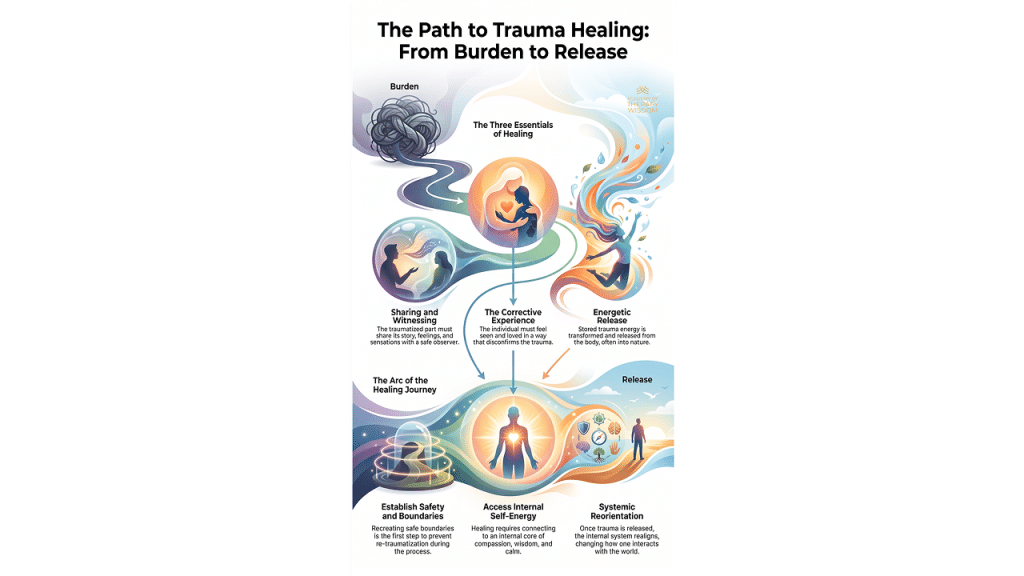
The traumas that our clients face range from complex to acute single incident. How they are processed initially greatly determines if the client will find the hope they need to move into resilience. This is where our focus, support and knowledge of trauma integration comes in. Affording our clients, the opportunity to explore healing interventions that are aligned with their belief system, integrated with traditional mental health services, makes a recipe for a holistic approach that lends itself to sustaining hope and resilience.
Wise Therapy Spotlight 2022: Download the PDF now.


Join Trauma Informed Stabilization Treatment Webinar by Dr. Janina Fisher
Helping Trauma Survivors Get Unstuck: A Fragmented Selves Approach in Therapy
In This NEW Janina Fisher Webinar you will learn:
How to understand perplexing clients using the TIST perspective so you can see the fragmented selves at work.
How to organize a treatment plan using the TIST model so you have an effective approach to care.
How TIST helps shift even the most stuck clients so they can finally make progress.
How to relieve your frustration and prevent burnout with more effective trauma treatment.