

Introduction to Trauma Therapy Certification
In the world of therapy, where every client’s story is unique, being equipped with specialized trauma training allows therapists to provide the most effective and empathetic care. This journey of becoming a certified trauma therapist is both challenging and deeply rewarding. In this article we recap the best methodologies for treating trauma, and go in-depth into our most widely heralded Trauma Informed Stabilization Treatment (TIST) certification with Janina Fisher so that you can consider your next best option for continuing education.
Join Trauma Informed Stabilization Treatment Webinar by Dr. Janina Fisher
Helping Trauma Survivors Get Unstuck: A Fragmented Selves Approach in Therapy
In This NEW Janina Fisher Webinar you will learn:
How to understand perplexing clients using the TIST perspective so you can see the fragmented selves at work.
How to organize a treatment plan using the TIST model so you have an effective approach to care.
How TIST helps shift even the most stuck clients so they can finally make progress.
How to relieve your frustration and prevent burnout with more effective trauma treatment.
on April 4, 9-10am PDT / noon-1pm EDT / 5-6pm BST
What are the Top Trauma Therapy Methodologies?
The field of trauma therapy is rich with diverse methodologies, each offering unique insights and approaches. Let’s explore the most highly regarded techniques offering certification for trauma therapists.- Cognitive Behavioral Therapy (CBT): A staple in psychotherapy, CBT is invaluable for its structured approach in changing harmful thought patterns.
- Eye Movement Desensitization and Reprocessing (EMDR): This interactive psychotherapy technique has proven effective in processing and integrating traumatic memories.
- Trauma-Informed Stabilization Treatment (TIST): Regarded as a highly impactful approach, TIST integrates various aspects of trauma therapy into a cohesive framework that helps guide therapists to provide deep healing to their clients in a supportive way.
- Somatic Experiencing: Focusing on bodily sensations, this therapy helps clients tune into their physical experiences as a pathway to healing.
- Dialectical Behavior Therapy (DBT): DBT emphasizes the balance between acceptance and change, crucial in trauma work.
What is Trauma-Informed Stabilization Treatment (TIST)?
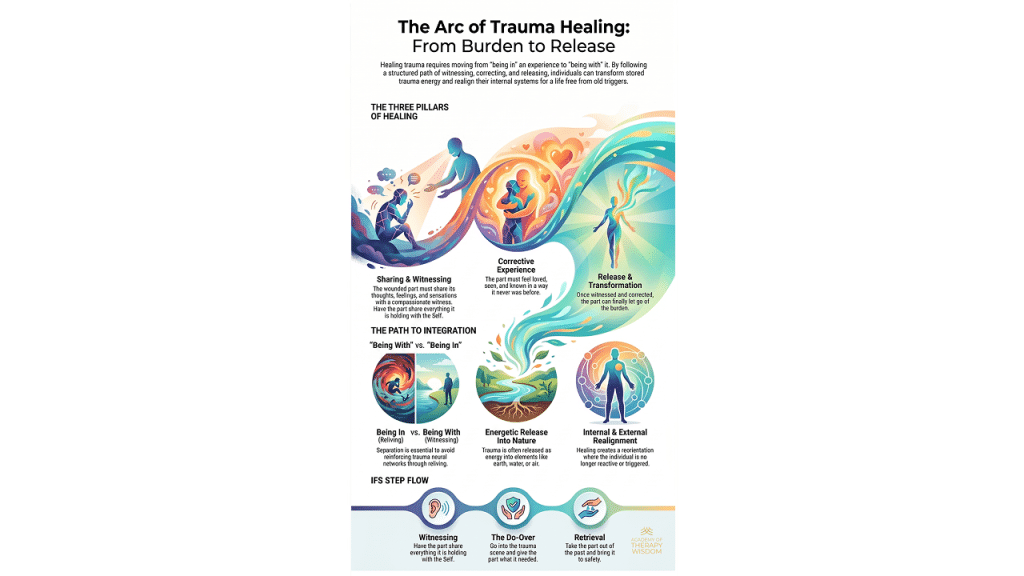
TIST, or Trauma-Informed Stabilization Treatment, is more than just a methodology—it’s a philosophy of therapy. Developed by Janina Fisher, Ph.D., TIST stands out for its integrative approach, merging neuroscience with attachment theory and body-oriented therapies. For therapists looking to make a real difference in the lives of trauma survivors, TIST offers a comprehensive and nuanced approach to your certification in trauma and overall continuing education as a therapist. What sets TIST trauma therapy apart is its emphasis on stabilization, innovative parts work, and acknowledgment of the deep intelligence motivating a client´s challenging trauma-related behaviors —all critical in the trauma recovery.Here, Dr. Fisher emphasizes the holistic nature of trauma and the importance of addressing the impact it has on our mind, body, and emotions within the therapeutic setting. Dr. Fisher highlights here, and throughout her trainings, the complexity of trauma responses and the necessity of a comprehensive, low-stress approach to healing.
“We don’t survive trauma as a result of conscious decision-making. At the moment of life threat, humans automatically rely upon survival instincts. This is not just a process of the brain but of the entire body. Trauma leaves imprints not just on our thoughts and emotions but also on our physical self. Therefore, the key to helping trauma clients is to understand and address these profound, all-encompassing effects. It’s about guiding them to not only cognitively process their experiences but also to physically and emotionally integrate and heal from their trauma. By doing so, we help them reclaim their lives, not as mere survivors of trauma but as whole individuals who have transcended their past experiences.” – Janina Fisher, Ph. D.