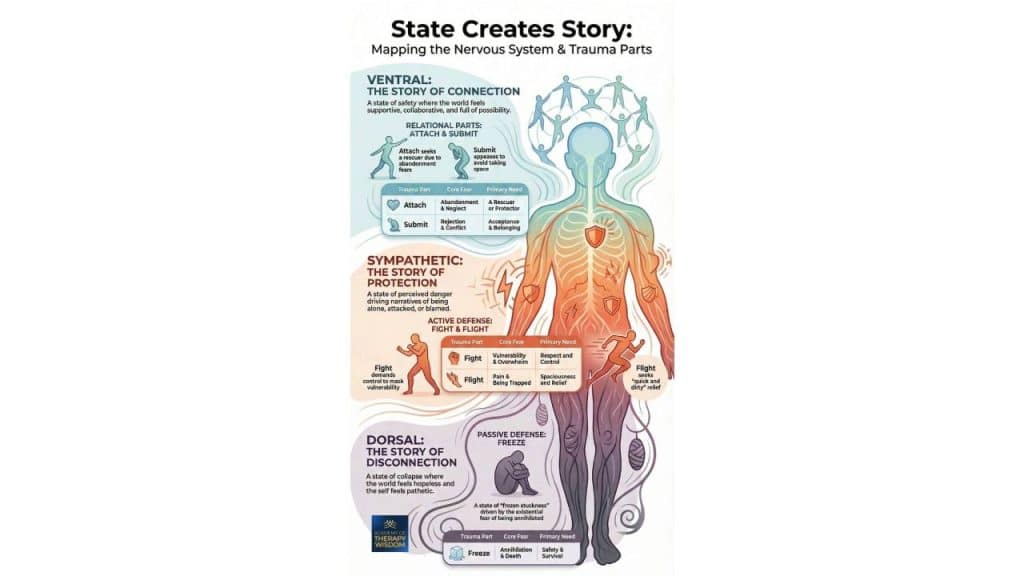


I’ve been struck by the recent surge in interest around what integrative therapy is and how it can help clients heal from trauma. As someone immersed in the therapy industry, I’ve noticed more and more therapists seeking out experiential therapy training to deepen their understanding of this powerful approach. In light of the current events surrounding mental health awareness, I’ve been reflecting on the importance of equipping therapists with the tools they need to support their clients effectively.
I love how in this insightful video, Jules Shore gives candid insights into the limitations of traditional regulation techniques and highlights the transformative potential of integrative therapy. She emphasizes the importance of engaging the body and nervous system in the healing process, rather than relying solely on cognitive interventions.
As we delve deeper into the world of integrative therapy, it’s crucial to understand the unique challenges therapists face in their practice and how this approach can help them navigate these complexities.

Join Juliane Taylor Shore for a FREE 90-minute webinar
Experiential Therapy Techniques: A Neurobiological Approach to Self-Compassion Therapy
During the webinar, you will learn:
A practice to increase self-compassion towards yourself as you do your work so you can both embody and benefit from self-acceptance.
The neurobiological difference between empathy and compassion so you keep use them judiciously in practice.
How to set up experiential practices so clients can discover and experience self-compassion.
The Limitations of Traditional Therapy Techniques
Traditional therapy techniques often focus primarily on cognitive interventions, neglecting the vital role of the body and nervous system in healing from trauma. While these approaches can be helpful, they may not address the root causes of a client’s distress.
Key Limitations of Traditional Therapy:
- Over-emphasis on cognitive processing
- Lack of somatic integration
- Insufficient attention to the role of the nervous system in trauma
How Integrative Therapy Transforms Trauma Treatment
Integrative therapy offers a holistic approach to trauma treatment, acknowledging the interconnectedness of the mind, body, and spirit. By incorporating somatic techniques and addressing the nervous system’s role in trauma, therapists can help clients achieve deeper, more sustainable healing.
As renowned trauma expert Bessel van der Kolk states, “The body keeps the score: If the memory of trauma is encoded in the viscera, in heartbreaking and gut-wrenching emotions, in autoimmune disorders and skeletal/muscular problems, and if mind/brain/visceral communication is the royal road to emotion regulation, this demands a radical shift in our therapeutic assumptions.”
The Power of Somatic Techniques
Somatic techniques, such as body awareness exercises and nervous system regulation practices, allow clients to reconnect with their bodies and develop a greater sense of safety and resilience. By working with the body’s innate wisdom, therapists can help clients release trapped trauma and restore a sense of wholeness.
Benefits of Somatic Techniques:
- Increased body awareness
- Enhanced emotional regulation
- Improved resilience to stress
Deepening Your Integrative Therapy Skills
As therapists, it’s essential to continuously deepen our understanding of integrative therapy and expand our skillset to better serve our clients. By engaging in experiential therapy training, we can gain hands-on experience with somatic techniques and develop a more nuanced understanding of the nervous system’s role in trauma.
Benefits of Experiential Therapy Training:
- Hands-on experience with somatic techniques
- Deeper understanding of the nervous system’s role in trauma
- Enhanced ability to support clients’ healing journey
Develop Greater Confidence in Your Practice
Engaging in experiential therapy training allows therapists to develop greater confidence in their ability to navigate the complexities of trauma treatment. By expanding our toolbox and deepening our understanding of integrative therapy, we can create a more supportive and effective therapeutic environment for our clients.
Cultivate a Trauma-Informed Perspective
Experiential therapy training helps therapists cultivate a trauma-informed perspective, recognizing the pervasive impact of trauma on an individual’s mind, body, and spirit. By approaching therapy with this lens, we can create a more compassionate and inclusive space for healing.
Video Transcript
“So many of us as therapists have been trained in more traditional regulation techniques which work from the more cognitive areas of our brain or work with insight or work with meaning-making. And while those are really valuable, and I still use them, we know that if we just stay in those areas of our brain, we’re really missing a huge part of how we help our clients heal because so much of what’s happening when clients come in with these big overwhelming experiences is happening in their body.” – Jules Shore
As Jules Shore eloquently reminds us, integrative therapy is a powerful approach that acknowledges the essential role of the body and nervous system in healing from trauma. By seeking out experiential therapy training, therapists can deepen their understanding of this transformative modality and enhance their ability to support their clients’ healing journey. I encourage you to explore the free online training offered by Jules Shore and the Academy of Therapy Wisdom to further your knowledge and skills in integrative therapy. Together, we can create a more compassionate and effective therapeutic landscape for those seeking healing and growth.
Warmly,
Heather