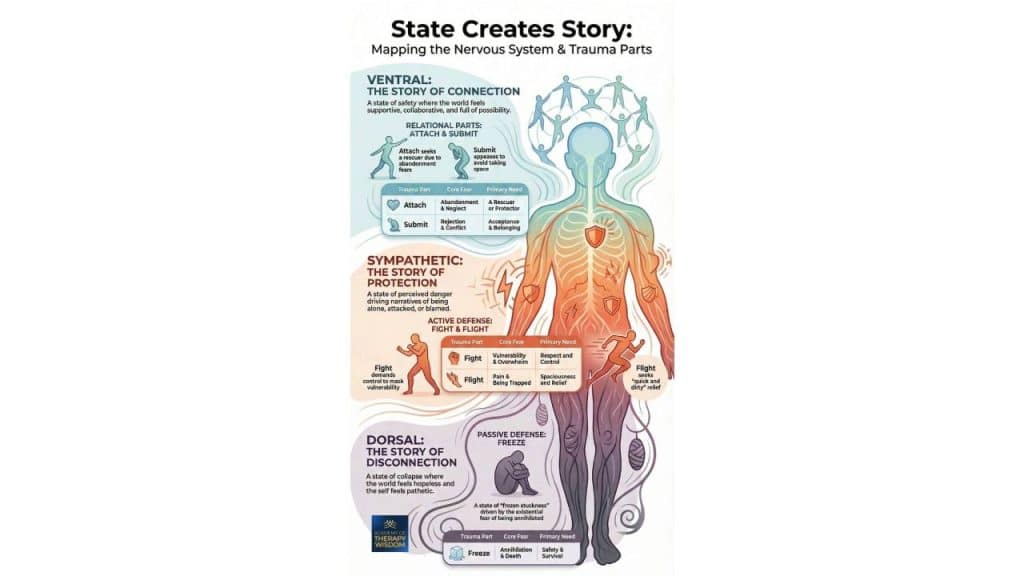


The wellness of a therapist is a cornerstone of effective therapy, so therapist self-care is important to our therapy training team and faculty. An understanding of the vagus nerve and techniques to stimulate it can contribute significantly to a therapist’s wellbeing, enhancing their capacity to aid their clients.
The Vagus Nerve and its Importance
The vagus nerve, the longest of our cranial nerves, plays a key role in the parasympathetic nervous system, which is responsible for rest and recovery responses in the body. A well-stimulated vagus nerve supports emotional regulation, stress management, and overall well-being, all of which are crucial for therapists.
Techniques for Stimulating the Vagus Nerve
Here are five techniques that can help in stimulating the vagus nerve:
- Deep and Slow Breathing: Slowing your breath down signals your brain to relax, engaging the vagus nerve and prompting the relaxation response.
- Singing and Humming: These activities naturally stimulate the vagus nerve because it is connected to the vocal cords and the muscles at the back of the throat.
- Cold Exposure: Brief cold exposure, such as a splash of cold water on your face or a cold shower, can stimulate the vagus nerve.
- Yoga and Tai Chi: These practices, involving intentional movement and breath control, are known to stimulate the vagus nerve.
- Probiotics and Diet: Certain probiotics and a diet rich in fruits, vegetables, and omega-3 fatty acids are known to have a positive impact on the vagus nerve.
Stimulating the vagus nerve regularly can effectively enhance mental and emotional wellbeing, thereby enabling therapists to better support their clients.
Enhanced Therapy Outcomes Through Vagus Nerve Stimulation
As therapists, our emotional and physical state can have a profound impact on the therapeutic experience and outcomes for our clients. This is best understood through the lens of “interpersonal neurobiology,” which recognizes how we, like all mammals, can attune to each other’s nervous systems.
Just as yawns are contagious, our levels of relaxation or activation can also influence those around us. This process, often subconscious, is referred to as “emotional contagion” and can significantly impact the therapeutic relationship. For therapists, an optimized nervous system through vagus nerve stimulation can thus provide a calming influence on clients, facilitating a safe therapeutic environment conducive to growth and healing.
Impact on Attunement
Attunement, the ability to be in harmony with another individual’s state of mind or feeling, is a crucial aspect of effective therapy. It is through attunement that a therapist can truly connect with a client’s emotional world, providing validation and empathy. When a therapist’s vagus nerve is well-stimulated and their nervous system is regulated, it enhances their capacity for attunement. They can remain calm and present, maintaining a relaxed yet alert state conducive to deep listening and empathetic engagement. This state of balanced awareness allows therapists to resonate with their clients’ experiences better, fostering a strong therapeutic alliance and improving therapeutic outcomes.
Regulation and Containment
A regulated therapist can provide effective regulation and containment for clients who may be experiencing intense emotions or distress. The calm and centered presence of the therapist can help the client to co-regulate their emotional state, providing a sense of safety and control. This process is particularly crucial when working with clients who have experienced trauma or those with difficulty in self-regulation.
Modelling Self-care and Resilience
A regulated therapist can also serve as a role model for clients, demonstrating effective self-care strategies and resilience. Through the therapist’s embodiment of these principles, clients can learn and adopt similar strategies for nervous system regulation and vagus nerve stimulation, contributing to their overall mental and emotional health.
Dive Deeper with De West
De West’s free therapist training webinar Self-Stewardship for Therapists: 3 Easy Practices to Refresh Yourself Between Sessions offers a wealth of knowledge to therapists seeking to enhance their well-being and professional effectiveness.
Understanding and working with your own nervous system through vagus nerve stimulation, breathwork, and therapeutic yoga for therapists can all open up a new dimension in your personal and professional journey. As you explore these practices, you’re likely to notice their benefits, not just for your work with clients, but also for your overall wellbeing.

Join Free webinar with De West, C-IAYT, RYT Self-Care for Therapists
What to Do Between Therapy Sessions to Refresh Yourself By De West
During the webinar, you will learn:
Mindfulness techniques to enhance mental clarity and focus, helping you stay present and attentive with your clients while managing your own mental health.
Simple, therapeutic yoga practices you can incorporate into your daily routine, focusing on alleviating physical strain and improving overall body awareness.
Breathing exercises that help regulate the nervous system, reduce stress and foster emotional resilience — crucial for therapists who regularly engage in emotionally charged sessions.