
As a therapist, have you encountered clients struggling with wounds they can’t quite articulate? Have you heard a client say something along the lines of: “I don’t even know what’s wrong. Nothing has happened to me…” As Ruth Cohn will tell you during neglect training for psychotherapists, “nothing” is not nothing… Their pain often stems from something invisible yet profoundly impactful: trauma and neglect. Childhood emotional neglect, in particular, can leave lasting imprints that shape emotional well-being, self-worth, and relationships. But how do you help these clients uncover and heal these hidden wounds?
Ruth Cohn is on a mission to help, and has been working on this problem for over 25 years. Now, she’s sharing her wisdom and experience… This article is going to teach you some of the truths about the trauma of childhood neglect that Ruth has unlocked, so keep reading…
What Is Childhood Emotional Neglect?
Childhood emotional neglect occurs when a child’s emotional needs for validation, connection, and support are consistently unmet. Unlike physical abuse or overt trauma, neglect often goes unnoticed because it’s defined by what didn’t happen rather than what did.This lack of acknowledgment can lead to feelings of chronic emptiness, self-doubt, and difficulty regulating emotions later in life. Understanding how trauma and neglect intersect like this is critical for providing effective therapy, and many of our most beloved trauma therapy training faculty incorporate it into their courses. Ruth Cohn is especially insightful and we get amazing feedback about her presence, insight, and ability to teach us how to be better therapists.

JOIN a FREE WEBINAR TRAINING with Ruth Cohn
“Nothing Happened to Me”: Uncovering the Developmental Trauma of Neglect
In this free webinar you’ll learn:
“Nothing” Matters: Notice subtle neglect signs to avoid missing them.
Attachment is Key: Secure attachment shapes development; its lack shows in therapy.
Neglect Profile: Spot neglect via Three Ps, body language, and verbal cues.
Avoid Invalidating: Don’t dismiss helplessness or indecision to prevent distress.
Validate Experiences: Acknowledge feelings of being alone and unsupported.
Neglect-Informed Therapy: Adapt methods to address neglect, boosting effectiveness.
Why Emotional Neglect Goes Unnoticed
One of the challenges in addressing childhood neglect is its subtle nature. Unlike overt trauma, neglect doesn’t always leave clear, identifiable markers. Many clients may not even realize they’ve experienced neglect, instead attributing their struggles to personal failings. This misunderstanding makes it essential for therapists to explore a client’s upbringing and identify patterns of unmet emotional needs.
Long-Term Impacts of Emotional Neglect
Childhood neglect doesn’t just affect childhood; its effects ripple into adulthood, influencing relationships, careers, and self-perception. Adults who experienced emotional neglect often report:
- Difficulty forming or maintaining close relationships
- A pervasive sense of unworthiness
- Challenges with emotional regulation and expression
- A tendency to prioritize others’ needs over their own
By recognizing these signs, therapists can begin to uncover the hidden wounds that are shaping their clients’ lives.
The Link Between Neglect and Trauma
Neglect as a Form of Trauma
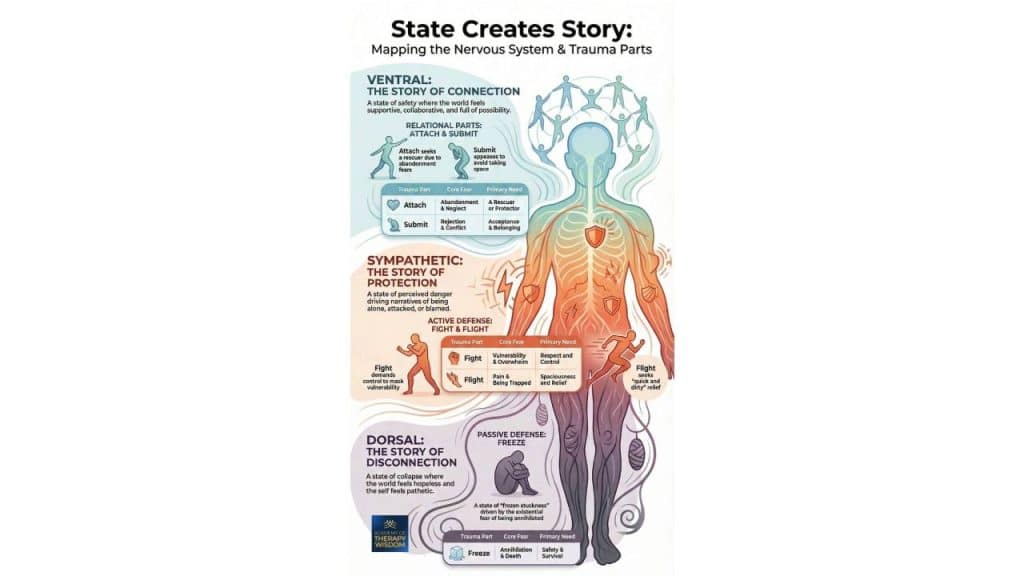
While neglect may not leave physical scars, its effects are deeply traumatic. Emotional neglect often coexists with other forms of trauma, compounding its impact. The absence of emotional safety during critical developmental periods can leave clients in a state of hypervigilance or emotional numbness—which are telltale signs of complex trauma.
How Neglect Shapes Attachment
Neglect directly impacts a person’s ability to form secure attachments. Without early experiences of emotional attunement, clients may develop an avoidant or anxious attachment style, which can manifest as difficulty trusting others or clinging to relationships for validation. Addressing attachment dynamics in therapy can be transformative for these clients.
Recognizing the Signs of Emotional Neglect in Clients
Therapists can identify emotional neglect by looking for key patterns, including:
- Difficulty identifying or expressing emotions
- Struggles with self-compassion or feelings of unworthiness.
- Chronic feelings of emptiness or disconnection.
- A tendency to minimize their own needs and/or prioritize others.
Common Misconceptions About Childhood Emotional Neglect
Clients often struggle to acknowledge the impact of neglect because it lacks the clear-cut narrative of abuse. They may believe their childhood was “fine” or feel guilty about questioning their caregivers’ actions. They might be heard saying they have ‘nothing’ to discuss in therapy sessions. Therapists can gently challenge these misconceptions by validating their clients’ feelings and experiences. Giving a safe space for them to share their feelings, listening to them, and offering compassion and empathy, are all effective ways of showing up for your clients in meaningful ways that they’ve lacked connection with in the past. And when you do that, you’ll almost immediately notice them calming down.
What NOT to Do When You Notice Your Client is Struggling With Symptoms of Trauma and Neglect
As helpers, what we want to do when we see our clients struggling is to problem-solve and suggest ways to help them. But with victims of childhood neglect, most of the time, that’s not going to work. If you start by making suggestions, even if you think they’re brilliant ideas, it will likely enrage or annoy your client. They may be thinking, “Don’t you think I’ve thought of that?!”
What they’re searching for when they come to see you is for someone to understand the desperate aloneness of the child they once were and the results of the self-reliance that was thrust upon them way too soon. They didn’t know what to do or where to turn, and that hollow desperation has followed them into adulthood and has left them feeling lost.
The Three P’s of Neglect
As Ruth describes them, the three P’s of neglect are Passivity, Procrastination, and Paralysis. She describes these identifiers are dead giveaways that someone has experienced childhood neglect. They fail to initiate, they don’t follow through, and they collapse. They struggle with interpersonal relationships. Their partners tend to complain that they struggle to finish things that they start, that they forget things, and that their attention isn’t focused or clear. But Ruth stresses that all of these symptoms tell a story about the neglect experienced in childhood. It shows that there was a lack of attention, attunement, mirroring, resonance, and lack of stimulation of the default mode network, which is the part of the brain where the sense of self, sense of agency, and energetic resolve to act are developed.
Ruth describes these victims of neglect as ‘underfiring’ as a result of the lack of development in their early years. If we empathize with them, there’s less shame, less blame from others, and it can mean the beginning of positive change where these individuals finally experience more compassion, understanding, and help.
Final Thoughts on Trauma and Neglect
Addressing the hidden wounds of trauma and neglect requires patience, empathy, and the right therapeutic tools. By creating a safe space for exploration and healing, you can help your clients reclaim their sense of worth and foster healthier relationships. To dive deeper into the nuances of healing childhood emotional neglect, start down a powerful path of therapy courses (CEs online), hear from the expert herself, Ruth Cohn, and enjoy her free video training: “Nothing Happened to Me”: Uncovering the Developmental Trauma of Neglect