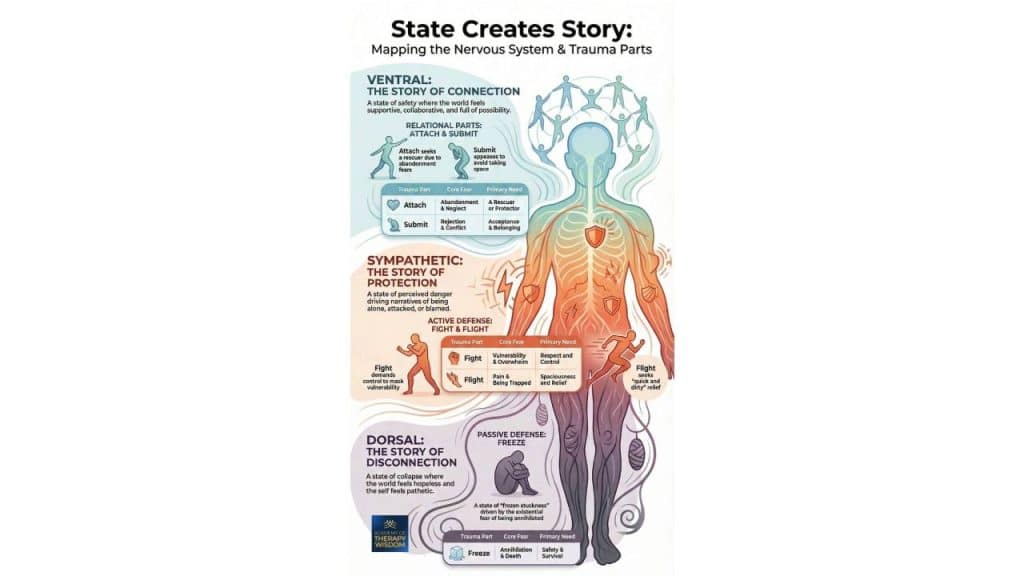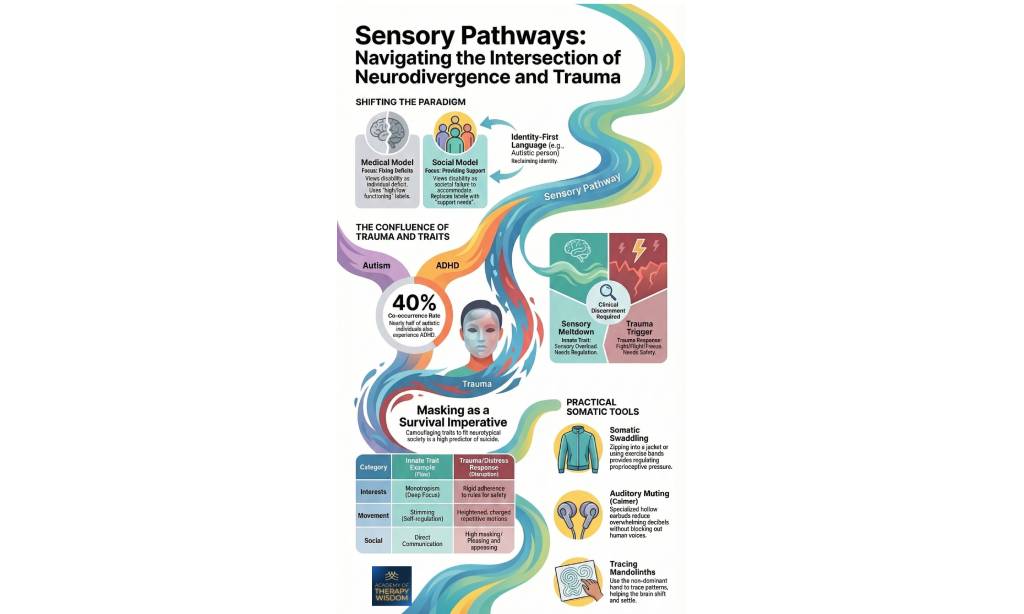

I’ve been struck by the growing recognition of trauma’s pervasive impact in recent years, especially since the beginning of the pandemic of 2020. This is highlighted (and I found it a bit shocking) in a recent study by the CDC it is extimated that 61% of adults have experienced at least one Adverse Childhood Experience (ACE). So, I´ve been reflecting on the critical importance of trauma-focused therapy education for mental health professionals. As someone who works to support therapists working with trauma, and having received life-changing trauma therapy myself, I’ve seen firsthand how adopting an innovative and caring trauma-informed approach in psychotherapy can transform lives. This is a key reason why I´m a big fan of parts work as presented in trainings with Janina Fisher and another Academy of Therapy Wisdom favorite, Frank Anderson.
The importance of equipping therapists with truly effective techniques for healing trauma (I´d say it is critical!) is a key reason why I feel so good contributing as a team member of Academy of Therapy Wisdom. This is a project dedicated not only to supporting therapists, but ultimately to the healing and wellbeing possible for the world through truly expert training and support to independent mental health professionals like you working “in the trenches”.
The work of experts like Dr. Janina Fisher (one of our most popular teachers) emphasizes the need for integrative trauma therapy approaches, and serves as an inspiring example. While her approach is considered a highly-effective modality, it’s crucial to explore a range of trauma-informed practices to best serve our clients. As the renowned somatic trauma therapist and trainer Linda Thai shares, “Trauma-informed care is not a one-size-fits-all approach. It requires a deep understanding of each individual’s unique experiences and needs.” Let’s dive into the key concepts that are widely recognized to form the foundation of effective trauma-informed care.
Understanding the Core Tenets of Trauma-Informed Practice
An Overview of Essential Trauma-Informed Approaches
Trauma-informed practice encompasses a variety of techniques, each with unique features designed to address the complex needs of how to support trauma survivors in clinical practice. Some key approaches include:
- Somatic experiencing
- Internal Family Systems (IFS)
- Cognitive processing therapy
- Trauma-informed Stabilization Treatment (TIST)
- Eye Movement Desensitization and Reprocessing (EMDR)
- Trauma-focused cognitive behavioral therapy (TF-CBT)
While these modalities differ in their specific interventions, they share a common foundation built upon the three core concepts we’ll explore next.

Join Dr. Janina Fisher for a FREE webinar
Healing the Fragmented Selves of Trauma Survivors
In this free webinar, Dr. Janina Fisher will help you:
How to identify and work with fragmented selves in trauma survivors.
How to stabilize chronically at-risk clients using TIST principles.
How to address self-alienation and dissociation to foster self-acceptance.
How to navigate therapeutic gridlock and work effectively with resistant, stuck, or emotionally overwhelmed clients.
The 3 Pillars of Trauma-Informed Care
As Dr. Janina Fisher eloquently states, “Trauma is not what happens to us, but what we hold inside in the absence of an empathetic witness.” This insight captures the essence of trauma-informed practice – creating a safe, supportive environment where healing can occur.
- Safety
Establishing both physical and emotional safety is paramount. This involves:
- Creating a welcoming, non-judgmental space
- Being predictable and consistent in interactions
- Respecting boundaries and consent
As Dr. Arielle Schwartz notes, “Safety is the foundation of trauma recovery. Without a felt sense of safety, it is difficult for the nervous system to regulate and for healing to occur.”
- Connection
Trauma often leads to feelings of isolation and disconnection. These should be our trauma-informed care priorities:
- Building trusting therapeutic relationships
- Fostering a sense of belonging and community
- Encouraging healthy attachments and social support
IFS trainer, innovator, and author Frank Anderson emphasizes the importance of connection, stating, “In IFS, we believe that healing happens in the context of relationships. The therapeutic relationship is the vehicle for change.”
- Empowerment
Trauma can shatter a person’s sense of control. Empowerment involves:
- Collaborating with clients in treatment planning
- Teaching coping skills and self-regulation techniques
- Celebrating strengths and resilience
As Linda Thai explains, “Empowerment is about helping clients reclaim their sense of agency and choice. It’s about honoring their inherent wisdom and resilience.”
By integrating these pillars into our work, we can more effectively support trauma survivors on their path to healing.
Putting Trauma-Informed Concepts into Practice
Overcoming Challenges in Trauma-Informed Care
Implementing trauma-informed principles is not without its challenges. As therapists, we may encounter challenges with vicarious trauma, systemic barriers, or limited resources. However, by staying committed to ongoing education and self-care, we can enhance our ability to provide transformative care.
Here are some strategies for deepening your trauma-informed practice:
- Seek Specialized Training
Invest in courses and workshops focused on trauma-informed modalities like those taught by Dr. Janina Fisher, Dr. Arielle Schwartz, or Frank Anderson.
- Engage in Regular Self-Reflection
Examine your own triggers, biases, and emotional responses to better show up for your clients.
- Prioritize Self-Care
Engage in activities that promote resilience and prevent burnout, such as mindfulness, peer support, or therapy.
- Advocate for Systemic Change
Use your voice to push for policies and practices that better support trauma-informed care in your organization and community.
Conclusion
By understanding and embodying the three core concepts of safety, connection, and empowerment, we can provide the trauma-informed care our clients need and deserve. As we continue to deepen our knowledge and skills, let us remember the profound impact we can have in supporting trauma survivors’ healing journeys.
If you’re ready to take the next step in your trauma-informed practice, I encourage you to join our latest free TIST training with Janina Fisher and to join the supportive community of practitioners like you who gather in our Academy of Therapy Wisdom courses and forums. Our online trainings offer unique insights and techniques to help you better serve your clients, without the overwhelm. Together, let’s work towards a more compassionate, trauma-informed future.
Warmly,
Heather