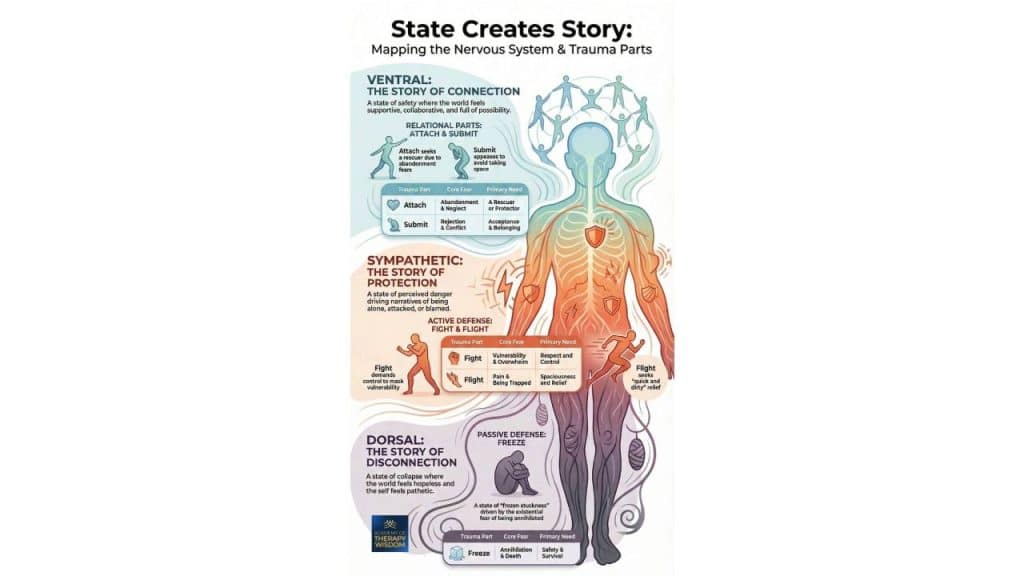


Janina Fisher, Ph. D., internationally renowned trauma therapy expert, creator of TIST trauma therapy training, bestselling author of Healing the Fragmented Selves of Trauma Survivors, and Therapy Wisdom trauma certification lead faculty, shares about how to respond to trauma clients, and how common and debilitating shame can be to trauma survivors. .

Join Trauma Informed Stabilization Treatment Webinar by Dr. Janina Fisher
Helping Trauma Survivors Get Unstuck: A Fragmented Selves Approach in Therapy
In This NEW Janina Fisher Webinar you will learn:
How to understand perplexing clients using the TIST perspective so you can see the fragmented selves at work.
How to organize a treatment plan using the TIST model so you have an effective approach to care.
How TIST helps shift even the most stuck clients so they can finally make progress.
How to relieve your frustration and prevent burnout with more effective trauma treatment.
on April 4, 9-10am PDT / noon-1pm EDT / 5-6pm BST

In her practice and in guiding countless psychotherapists, Dr. Fisher recounts, one of the things that even very seasoned trauma therapists ask her for help with is overcoming the damage of shame.
How do you respond to trauma clients and their shame?
1. Understand that shame in trauma clients is a survival response.
Their shame helped to keep them safe. We work with shame as a reflection of fragmented parts.
2. Learn how experiences of shame become cognitive schemas and feed a vicious cycle.
Deepening our understanding of the neurobiology of trauma, we can understand what the brain and body are doing to create resistance to treatment, so that we can unravel and re-pattern these deeply ingrained and mostly unconscious habits.
3. Take a somatic approach.
Working with body awareness and sensorimotor interventions, combined with our relational approach, greatly increases our ability to help shift shame states and advance healing for trauma survivors.
To support you with this common and critical aspect of helping clients with trauma in your clinical practice, we’re offering a new specialized trauma training course for psychotherapists taught by Janina Fisher. This course is Dr. Fisher’s most skills-based course. It will teach you how to be effective at shifting shame states through mindfulness, somatics, and sensorimotor interventions.
[Join Us] Shame and Self-Loathing in the Treatment of Trauma with Janina Fisher
Have questions about responding to trauma clients and shame?
Frequently Asked Questions about why is it important to focus on shame in trauma therapy, and how this online therapist course supports you:
Here, we answer the most common questions trauma therapists ask about working with shame, and why training up in these techniques is so important.
Q: I already know a lot about trauma healing, and I’ve studied shame too. Why should I take this course?
Shame continues to be a roadblock in trauma treatment. This course offers a very new approach to understanding shame. We’ll look at shame specifically through the neurobiology of trauma to understand what the brain and body are doing to create treatment-resistant shame. If you have clients with treatment-resistant shame, you may discover the keys to unlocking it in this course.
Q: Shame has been around forever. Why focus on it now?
The events of the last three years have increased people’s isolation and decreased their agency, leaving them with more opportunities to deepen into shame. Issues of shame have gotten more prevalent over time and, like fear and anger, are faced by our clients every day.
Q: I know a lot about the theory of shame-based trauma, but still my clients are resistant. I feel like I just need more skills. Will I get that in this course?
Yes! Janina is known for providing many techniques to solve the issues she teaches about. But this is her most skills-based course. In this course, you’ll learn somatic, mindfulness, and sensorimotor interventions for shifting shame states somatically.
Q: Why aren’t the things I use to increase my clients’ self-esteem working with my trauma clients?
It’s common for therapists to interpret clients’ negative beliefs about themselves as an indication of low self-esteem. But most trauma survivors are actually suffering from shame. Trauma Informed Stabilization Treatment (TIST) Introductory Webinar led by Dr. Janina Fisher about Janina’s model for looking at trauma through the lens of fragmented selves. This approach will help you design a plan for care, create new shifts, and prevent burnout.