
The Hidden Trauma of Neglect:
Healing Unmet Attachment Needs
With Ruth Cohn, MFT
With Ruth Cohn, MFT
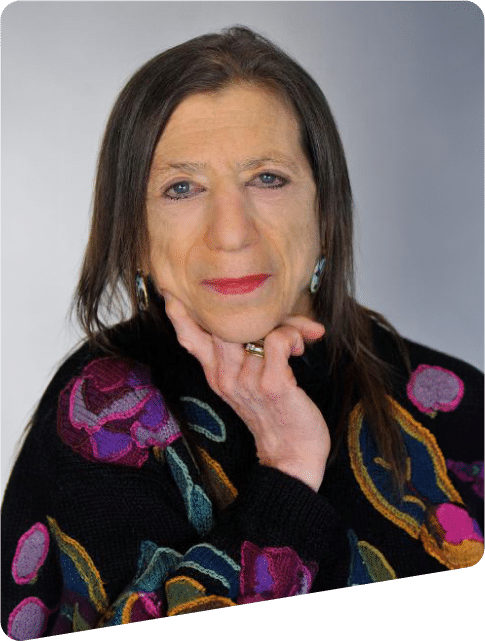
Ruth Cohn is on a mission to make the world neglect-informed.
Too often in her practice, she hears clients reflect on their childhoods and say they can't remember much. No significant memories. No trauma.
Basically, "Nothing happened."
And that's when Ruth's ears perk up.
Ruth has been working with trauma and neglect survivors, their intimate partners, and their families since 1988.
Often, the absence of trauma is mistaken for well-being.
But nothing is further from the truth.
When one's attachment needs are not met, many developmental tasks go missing and show up as problems in adult life.
Ruth knows how to recognize the signs of neglect and what to do next.
In The Hidden Trauma of Neglect: Healing Unmet Attachment Needs Ruth will take you on a journey into the damage caused by childhood neglect and how to heal it decades later.
We are so grateful the world has become more trauma-informed in arenas such as mental health, medical care, education, and media.
Now it's time that neglect is understood in the same way.
Neglect is a serious trauma with little awareness of its frequency and impact. It's contributing to a world of lonely and disconnected people.
And you can help change that.
Join us in creating a world that is neglect-informed.
Warmly,
Academy of Therapy Wisdom
Ruth Cohn, MFT
"People often see neglect as small 't' trauma. But attachment is a survival need. When a child's attachment needs are not met, developmental trauma occurs. Just because they don't have a big 'T' trauma story doesn't make the impact any less devastating."
- Ruth Cohn, MFT
In this workshop you will learn:

In the first module, you'll learn about the impact of childhood neglect on the developing brain. We all know attachment is crucial to regulation and development; here you'll understand why it is a survival need as well.
You'll learn:
In module 2, you'll cover the basics of attachment theory and their relevance to psychotherapy for childhood neglect.
You'll learn:


Module 3 explores how to develop the client's childhood narrative when memories and talk therapy aren't enough.
You'll learn:
Ruth explores the very mixed feelings neglected clients have about their parents.
You'll learn:


Burnout is no joke. In the final module, Ruth will provide you with:
A 3.5-hour training with Ruth Cohn, MFT valued at:
Yours today for:

If you are a BIPOC helping professional,
please accept our discounted enrollment price for this course by clicking here.
We are glad to have you with us!

We are confident you will learn new skills in this online training. However, If during your first 7 days with this course, you don't believe you will learn anything to enhance your practice, please contact our support team at support@therapywisdom.com within 7 days of purchase and we will give you a full credit or exchange for another course, no questions asked.
Ruth Cohn, MFT, is a psychotherapist living and practicing in the San Francisco Bay Area. She has specialized in working with survivors of trauma and neglect, their intimate partners, and their families since 1988. She is a Certified Sex Therapist, certified in Neurofeedback, EMDR, Sensorimotor Psychotherapy, and Imago Relationship Therapy.
Ruth is also the author of numerous articles on sexuality, trauma, and neglect and three books: Working With the Developmental Trauma of Childhood Neglect: Using Psychotherapy and Attachment Theory Techniques in Clinical Practice, Coming Home to Passion: Restoring Loving Sexuality in Couples With Histories of Childhood Trauma and Neglect, and Out of My Mind: Late Night Contemplations About Trauma and Neglect.


"Not a day goes by without my feeling grateful."
"...Not a day goes by without my feeling grateful for [Ruth's] insight, her profound commitment to her work, and the relationship skills-and life skills!-she imparted to us. In her writing, her research, and her clinical practice, Ruth is a woman on a mission, and those of us who have worked with her are much the better for it."
- L.Q.
"I learned more from a few minutes with you…"
"I learned more from a few minutes [with your work] than in months of both individual and marriage counseling. Thank you, a million times, thank you."
- Jonathan S.
"When I had lost all hope…"
"When I had lost all hope of repairing our broken family, Ruth brought us together again with her patient, warm guidance and deep commitment. I cannot imagine where our lives would be had we not been in the loving care of this amazing woman. My daughter considers her a lifesaver."
- Anonymous
"I could totally relate to [those] characteristics…"
"I could totally relate to the characteristics of fierce self reliance, the Bermuda Triangle of emotions, and the desperate need to be successful. I am a Physical Education teacher by trade but now work with over 100 schools around the world training teachers to create psychological safety, a sense of belonging, and how to self-regulate through physical activity and play. Thanks so much again for sharing your wisdom and your story."
- Neil
"Will leave you deeply reflective, often joyful, always hopeful."
"Ruth Cohn's compassion on childhood trauma and neglect, while circling a serious topic, will leave you deeply reflective, often joyful, always hopeful. … on the topic of healing from childhood trauma…grounded in her three decades as a therapist working with survivors of trauma and neglect."
- Durgaji
