
The world of psychotherapy is rich with diverse approaches, each offering unique insights and techniques for healing. Integrative self-compassion based therapy, a holistic approach that blends various modalities, has gained significant traction in recent years. It acknowledges that no single therapeutic approach is a one-size-fits-all solution, recognizing the importance of tailoring treatment to individual needs and preferences.
However, while the benefits of integrative therapy are widely acknowledged, the process of synthesizing various modalities can be overwhelming for therapists. The sheer volume of information and techniques can lead to confusion, burnout, and a sense of being lost in a sea of options.
Integrative Therapy and Self-Compassion
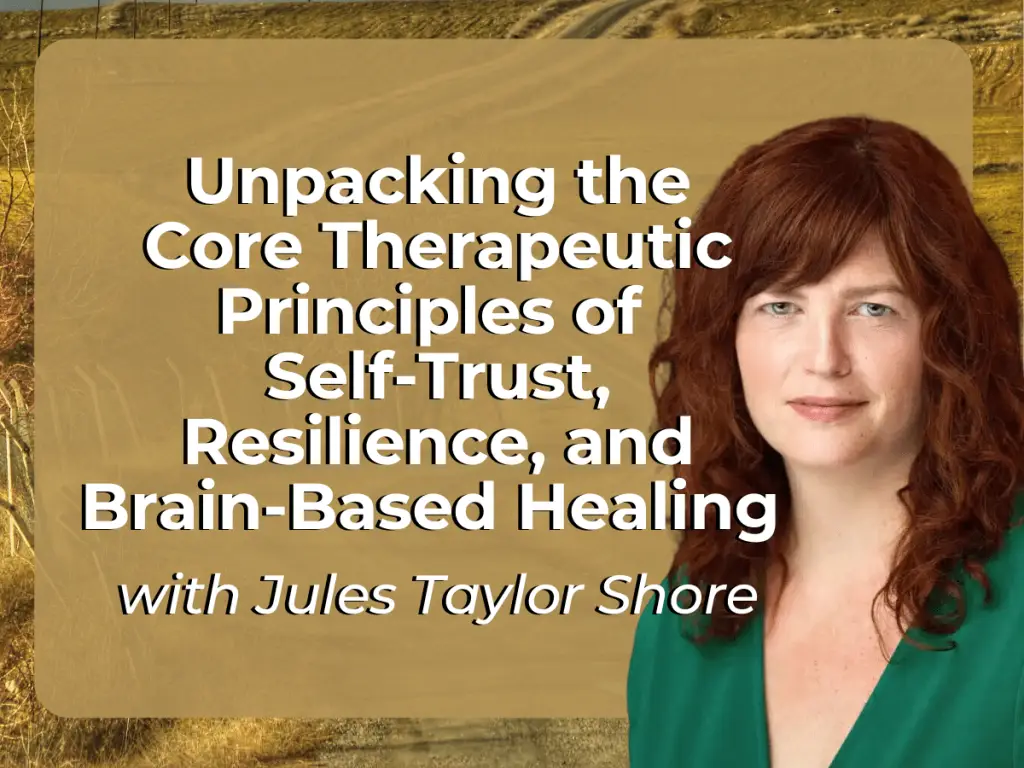
Enter Jules Shore, a psychotherapist and educator passionate about empowering therapists to embrace integrative healing. In this insightful video, Jules introduces her groundbreaking framework, the STAIR Method:
“Honestly, I’ve been working my entire career on trying to help people understand how to do integrative therapy…I want folks to feel like their toolbox is organized really well into really good ways to work with the brain…a couple years ago I made a small group training in my home and it was a kind of invite-only thing and folks who were there gave me some feedback on what I had built. It was the first time I’d ever done it in this way.”
Jules’ personal journey to creating the STAIR Method stemmed from her own experiences and a deep desire to help fellow therapists navigate the complexities of integrative practice.
The Genesis of the STAIR Method: A Therapist’s “Aha” Moment
In the video, Jules shares how feedback from her initial training group sparked a pivotal “aha” moment. They recognized the power and potential of her approach, urging her to formalize and share it with the wider therapeutic community. This collaborative effort led to the birth of the STAIR Method, a framework designed to simplify integrative therapy and make it more accessible to practitioners.
The resulting STAIR Method, which stands for Self-Trust and Integrated Resilience, is a brain-based framework that empowers therapists to synthesize diverse modalities into a single, fluid approach.
Unpacking the Core Principles: Self-Trust, Resilience, and Brain-Based Healing
As Jules explains in the video:
“And so the name is the STAIR Method, STAIR like staircase, like climbing up a staircase. And it’s all focused on this one thing that helps a brain…have more wellness, have more integration.”
- Self-Trust: The STAIR Method recognizes the fundamental importance of self-trust in the healing process. By helping clients develop a deeper connection to their inner wisdom and intuition, therapists create a solid foundation for growth and transformation.
- Integrated Resilience: The method also emphasizes the importance of tapping into clients’ innate resilience, recognizing that every individual possesses the capacity to overcome challenges and thrive. This focus on resilience is supported by a brain-based approach, incorporating insights from neuroscience to guide therapeutic interventions.
- Brain-Based Healing: The STAIR Method is rooted in an understanding of how the brain works and how it can be influenced through therapy. By utilizing techniques that promote neural integration and neuroplasticity, therapists can help clients rewire their brains for greater well-being.

Join Juliane Taylor Shore for a FREE 90-minute webinar
Experiential Therapy Techniques: A Neurobiological Approach to Self-Compassion Therapy
During the webinar, you will learn:
A practice to increase self-compassion towards yourself as you do your work so you can both embody and benefit from self-acceptance.
The neurobiological difference between empathy and compassion so you keep use them judiciously in practice.
How to set up experiential practices so clients can discover and experience self-compassion.
Transforming Therapy: Benefits for Therapists and Clients
The STAIR Method offers a wealth of benefits for both therapists and clients:
- Streamlined Approach: The method simplifies complex therapeutic concepts, providing a clear roadmap for therapists to navigate the therapeutic process.
- Reduced Burnout: By offering a structured framework, the STAIR Method helps therapists avoid overwhelm and burnout, leading to increased job satisfaction and longevity in the field.
- Improved Client Outcomes: Clients who have engaged with the STAIR Method report increased self-awareness, emotional regulation, and resilience. The method’s emphasis on self-trust and integration can lead to profound and lasting change.
A Glimpse into Level One Training: Elevating Your Practice
Jules Shore’s Level One training delves deeper into the STAIR Method, equipping therapists with practical tools and techniques to implement the framework in their practice. The training covers a range of topics, from understanding the neurobiology of trauma to cultivating self-compassion and developing a therapeutic presence.
Take the Next Step: Embrace Integrative Healing
The STAIR Method offers a revolutionary approach to integrative therapy, empowering therapists to create a profound impact on the lives of their clients. By focusing on self-trust, resilience, and brain-based healing, Jules Shore has crafted a method that has the potential to transform the field of psychotherapy.
Don’t miss the opportunity to learn more about the STAIR Method in Jules Shore’s FREE webinar: Self-Compassion and Experiential Therapy Training
This webinar offers a deeper dive into the principles and practices of the STAIR Method, providing you with the knowledge and skills to integrate this powerful framework into your practice.