Join this on-demand course with Lisa Ferentz, LCSW-C, DAPA:
Working with Self-Destructive
Behaviors
A Trauma-Informed Approach to Self-Harm, Eating Disorders, Addiction & More
CEs are available. Full CE info here.
Dear Therapist,
Being in this profession can feel like a double-edged sword…especially when dealing with challenging cases like clients who self-harm.
On one side, you have the opportunity to make a profound impact on your clients' lives, offering support and guidance through difficult times...
On the other side, you may face your own fears and uncertainties, particularly when confronted with complex cases that may be outside of your comfort zone or area of expertise.
I want you to ask yourself these questions and answer honestly...
When a client discloses that they are self-harming, what is your immediate emotional response? Do you feel equipped to handle the situation?
When dealing with challenging cases of self-harm, what fears or anxieties surface for you as a therapist?
Have you ever referred your client to another therapist out of fear or doubt?
Look, feeling overwhelmed or uncertain when facing clients with self-harm behaviors is a natural reaction…
It's a testament to your care and commitment to your clients' well-being.
But I'd like to challenge you to reframe the way you look at self harm and the traditional approaches to it.
I'd like you to think of self harming behaviors as tools that are actually helping your client to mask something more painful: the effects of trauma, guilt, and shame.
I've developed a protocol called CARESS which was designed to give clients something else to do to cope.
It's a strengths-based approach that doesn't equate self-destructive behaviors with Borderline Personality Disorder or inherent pathology.
I'm inviting you to join me in exploring the CARESS approach inside of my new course - Working with Self-Destructive Behaviors.
Learn more about the approach below and how it will teach you to help your clients get through their most vulnerable moments (and yours too!).
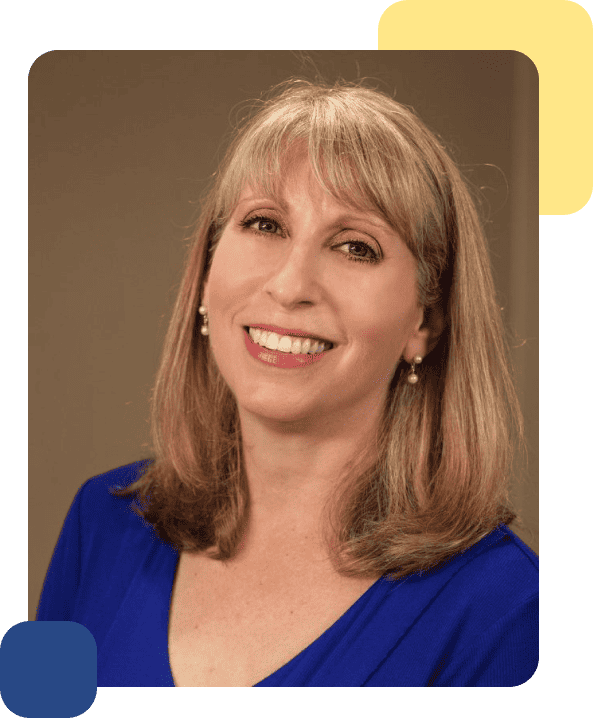
Lisa Ferentz, LCSW-C, DAPA &
Academy of Therapy Wisdom

"Lisa Ferentz is amazing!"
"Because of her dedication to mental health, compassion for clients, and experience, I am more confident in myself as a therapist. I have been able to apply all techniques and tools to my practice."
Nia Foggy, LPC

The Flip Side of Self-Harming Behaviors
Most people think of self-harm as mutilation, cutting, or burning. But it also includes eating disorders, poor relationship choices, and addiction.
The typical therapeutic solution for many of those behaviors is abstinence. Which makes sense because no one wants people hurting themselves in these ways, right?
But what if those very behaviors were actually helping your client to mask something more painful: the effects of trauma, guilt, and shame?
Helping to soothe themselves from something even more ghastly?
You wouldn't take a life jacket from someone floundering in the middle of the ocean, would you?
When you understand what's at the root of the cycle of self-harm, suddenly taking away one's system of coping seems cruel.
Understand the Cycle of Self-Destructive Behaviors So You Can Stop Them in Their Tracks
Lisa's course shows you how to empower clients with expanded resources, understand their behaviors as a form of communication, and use curiosity - rather than judgment - to access their wisest, most compassionate parts.
You will be able to:
- See the connection between insecure attachment and affect dysregulation so you can expand your compassionate lens
- Understand the uniqueness of the adolescent brain so you can help clients understand why they are more vulnerable to self-destructive behaviors
- Recognize your client's unique cycle of self-destructive behavior so you can help them break it
- Develop tools that work with the different stages of the self-destructive behavior cycle so your client has something else they can try depending on where they are at
- Provide valuable psychoeducation to your clients so they can make sense of why they do what they do

Are You Ready to Trade in Safety Contracts for Better Solutions?
"Can't wait to get back to work to use my new knowledge and skills."
"I am a seasoned professional and always leave trainings feeling like there was no new take away. However, after this training I left feeling recharged with new knowledge and skills. Can't wait to get back to work to use them. Thanks!!"
-Vicki Rahenkamp, LCPC
"The material was so applicable."
"I really appreciated Lisa's approachable, super informed, and engaging presentation style. The material was so applicable to not only conceptualization but also practice."
-Stephanie Durnford, LCPC

Meet Our Presenter
Lisa Ferentz
Lisa Ferentz, MSW, LCSW-C, DAPA, has been a recognized expert in the strengths-based, de-pathologized treatment of trauma for over 40 years. She presents workshops and keynote addresses nationally and internationally, and is a clinical consultant to practitioners and mental health agencies in the United States, Canada, the UK, and Ireland.
Lisa has been an Adjunct Faculty member at several Universities, and is the founder of The Ferentz Institute, now in its seventeenth year providing continuing education to mental health professionals and graduating over 3000 clinicians from Certificate Programs in Advanced Trauma Treatment.
Lisa is the author of Treating Self-Destructive Behaviors in Traumatized Clients: A Clinician's Guide, Letting Go of Self-Destructive Behaviors: A Workbook of Hope and Healing, and Finding Your Ruby Slippers: Transformative Life Lessons From the Therapist's Couch. Lisa is also a radio show host, blogger, writer, and teacher on self-harm and self-care.
Enroll now in this revolutionary approach to self-harm, eating disorders, addiction, and more.
LEARN MORE EFFECTIVE TOOLS
This 5-module course gives you practical strategies you can use in your practice to:
- help clients with self-destructive behaviors find more creative solutions
- minimize your vicarious trauma and burnout
- provide a more effective path to the healing your clients deserve
You'll receive instant access to pre-recorded modules that expand your understanding, then watch the sessions that Lisa led to build your skills incrementally with exercises, demonstrations, and more.
With each skill you integrate, you'll become more creative, more compassionate, more effective so your clients can stop harming themselves and start healing.

Here's What You'll Receive…

5 In-Depth Training Modules
9+ hours of content
Each on-demand module includes demonstrations and step-by-step explanations of therapeutic practices so you can immediately understand and apply these powerful techniques.

5 Pre-Recorded Training Calls
Get your toughest questions answered and gain hands-on experience through exercises and guided practices led by Lisa. You'll gain confidence and competency to start using these practices with clients right away.

Downloadable Course Materials
Audio recordings, transcripts, handouts, and more allow you to revisit the material on your schedule. Our dedicated support team is here to help with any questions.

Private Member Dashboard
Get all your course content organized in one easily accessible place to reinforce consistent learning.
Plus, These Special Bonuses…

Interview with Janina Fisher - Beyond Borderline: De-Pathologizing Complex Trauma
In this interview, Lisa and Janina Fisher discuss their shared passion for trauma-informed and strength-based depathologizing approaches in mental health. They delve into the complex relationship between self-destructive behavior and the diagnosis of borderline personality disorder, criticizing the tendency to quickly associate self-harm with manipulative behavior or attention-seeking. Instead, they focus on understanding self-destructive actions as coping strategies. They also touch on the nuances of therapist-client dynamics, including managing countertransference to foster better understanding and treatment.
Bonus Video: Guidelines for Processing Clients' Artwork
Lisa discusses how to use art therapeutically to understand and process trauma. Art is a powerful tool to help clients communicate their experiences, especially when they are unable to find words. Lisa shares various modalities that can be incorporated into the therapy, guidelines therapists should follow when using art therapeutically, and open-ended questions that can help clients process and interpret their work.


Bonus Video: Taking Care of Ourselves: Addressing Vicarious Traumatization & Burnout
In this presentation, Lisa addresses the vicarious trauma mental health providers may experience, particularly when working with clients with a trauma history or who self-harm. We can't be unaffected by clients' pain and suffering due to the empathetic nature of our work. Lisa outlines various risk factors that can make therapists more susceptible to vicarious traumatization, and stresses the importance of self-awareness and self-care. Lisa offers practical advice on mitigating risks, and actions we can take to counterbalance the stress of trauma work to prevent burnout and isolation.
Bonus Video: What Does it Really Mean to be Trauma-Informed?
Lisa explores the buzzword 'trauma-informed,' a term frequently used but without a clear, universal definition. She offers several criteria for a trauma-informed approach, and advocates for focusing on "what happened to them" rather than "what's wrong with them"
to develop a strengths-based, depathologized approach to treatment. Lisa suggests several right-brain expressive modalities, in addition to talk therapy, to create appropriate trauma-informed care.

By the end of the course, you will…
- Know how to work with negative responses to guilt and shame, fear of disapproval, and emotional vulnerability so your clients will have better options
- Understand the cycle of self-destructive behaviors so you can interrupt it at any point
- Possess tools to work with negative emotions and untenable tension and anxiety to break these patterns
- Be able to educate your clients so they can make sense out of why they do what they do
- Be more grounded, present, and relaxed so you can fully enjoy your therapeutic practice
Enroll risk-free today and see the incredible transformation in your skills and practice.
"The strength-based approach has transformed the way I see my clients."
"The strength-based approach Lisa takes has transformed the way I see my clients and the range of practical tools we were given has revitalized my work with them."
-Lisa Zimmerman, LICSW
"Easy to use, practical interventions and approaches with clients."
"Lisa is amazing at taking theoretical and evidence-based research and translating it into easy to use, practical interventions and approaches with clients."
Myra Kaplan, Ph.D.
You've been looking for a method that will build clients up. You want them to feel resourced and hopeful. And you want to feel more relaxed and effective in your practice. Here it is.
Working with Self-Destructive Behaviors: A Trauma-Informed Approach to Self-Harm, Eating Disorders, Addiction & More is the winning combination.
Sign up today and take advantage of the opportunity to learn from Lisa Ferentz in this course.

What's Included in Each Module?
Lisa designed each module to create a step-by-step approach to trauma-informed treatment for self-destructive behaviors. You'll develop an insightful understanding of the self-harm cycle, learn the CARESS protocol for intervention, gain powerful new techniques, and feel more confident in your trauma work.
Module 1
Attachment, Affect Regulation and Dysregulation, and Defining Traumatic Experiences
In this opening module, Lisa explores the relationship between trauma, attachment, and affect regulation. She'll help participants distinguish between co-regulation and auto-regulation, and the states of dysregulation, hypo-arousal, and hyper-arousal. You'll learn about the impact meaning-making has on the sequelae of trauma.
You'll learn:
- The 4 attachment styles and their impact on a child's cognitive and emotional development
- How disorganized attachment shows up in the parent-child relationship
- The challenge of attaching to abusive caretakers
- 5 potential relationship losses experienced by survivors of trauma
- How to process the impact of loss through artwork


Module 2
The Challenges of Adolescence, The Strengths-based Perspective, Understanding Self-Destructive Behaviors, A Paradigm Shift in Treatment
In Module 2, Lisa will cover the unique challenges of the adolescent brain, and how it differs from the adult brain. She'll define a broad explanation of self-destructive behaviors, and explore the benefits of working with a strengths-based, de-pathologized perspective when working with them. You'll understand the concepts of trauma-re-enactment and the meta-communication of self-harm.
You'll learn:
- 3 "tipping points" that make adolescents vulnerable to turning to acts of self-harm.
- 6 reasons why clients engage in self-destructive behaviors.
- The meta-communication of self-harm and the connection to trauma reenactment syndrome
- Key concepts when treating self-harm
- The "whack a mole" metaphor and its relevance to working with self-destructive behaviors
Module 3
The Cycle of Self-Destructive Behavior, A Case Study
In Module 3, you'll explore the cycle of self-destructive acts and how triggering, negative cognition, negative affect, dissociation, and anxiety influence the process. You'll learn how to create a template to use in therapy, and see it used in a case study.
You'll learn:
- The "cycle of self-destructive behaviors" and how it can be used as a teaching tool in therapy sessions.
- How to assess for triggers that set the cycle of self-harm in motion, and how the cycle escalates
- About dissociation and how it leads to an analgesic effect
- Negative AND positive outcomes in the cycle of self-harm


Module 4
Creatively Treating the Cycle of Self-Destructive Behaviors PART 1: Triggers, Negative Thoughts, and Emotions
In Module 4, you'll learn how to identify "intervention sites" in the cycle to reduce and eventually extinguish self-destructive behaviors. Lisa will introduce alternative coping strategies to share with clients.
You'll learn:
- The journal prompt REACTS to help identify triggers
- 2 strategies to address triggers and increase healthier boundaries
- How to manage negative self-talk and increase self-compassion
- 2 ways to reduce emotional flooding.
- Additional ways for clients to learn somatic resourcing
Module 5
Creatively Treating the Cycle of Self-Destructive Behaviors PART 2: The CARESS Method
In the final module, you'll cover methods to address tension, anxiety, and dissociation using psychoeducation, breath work, anchoring, and more. You'll learn the CARESS method as an alternative to standard safety contracts and being on-call for your clients 24/7.
You'll learn:
- Techniques to help clients with tension, anxiety, dissociation, and grounding.
- How to implement CARESS as an alternative to standard safety contracts
- Safe guidelines for how to use art therapeutically
- 4 open-ended questions to use when processing clients' artwork.

With each training, you'll gain the skills and confidence to move beyond talk therapy and...
- Understand the larger context of attachment and trauma
- Learn each client's unique self-harm cycle
- Work with expressive modalities such as art, journaling, and movement
- Offer creative options so clients will know what to do instead of harming themselves when they get triggered
The improvement you experience will be welcome, effective, and long-lasting.
Join Lisa Ferentz, LCSW-C, DAPA Today!

5-Module Course + 5 Pre-Recorded Training Calls + Bonuses
Valued at Over
$497
If you are a BIPOC helping professional,
We are glad to have you with us!

100% Risk-Free Money-Back Guarantee
We are confident you will learn new skills in this online training. However, if 7 days after purchase, you don't believe you will learn anything to apply with your clients, please contact our support team at support@therapywisdom.com and we will give you a full refund, no questions asked.
"I feel more confident as a young clinician because of this training."
"Lisa's smart, caring approach conveyed knowledge essential to treating trauma survivors, focusing on their strengths, sharing practical coping skills, and protecting them through the process of therapy. I feel more confident as a young clinician because of this training."
Meredith Braden, MA, NCC, LGPC
"I appreciated her ability to recognize the need for clinician self-care."
"Lisa's care and attention to our development as trauma informed clinicians is unmatchable. Her knowledge and ability to offer so many variations has been so helpful in my growth and in my work with a wide range of clients. I appreciated her ability to recognize the need for clinician self-care and being a huge advocate for that important part of the work!"
-Diane Harden, LGPC
"Inspired me to be more creative in my work."
"Lisa's passion and non-pathologizing stance transformed the way I view my clients and inspired me to be more creative in my work."
- Lisa Zimmerman, LICSW
"A great capacity for inclusion and compassion."
"Lisa is an extraordinarily skilled presenter, who combines personal warmth with refined clinical acumen, and a great capacity for inclusion and compassion."
-Hillel Zeitlin, LCSW-C
Frequently Asked

OUR COURSES ARE
At the intersection of psychotherapy, spirituality, and social change
We believe learning should challenge you and change you.