


Differentiate between stress, anxiety, and trauma
So that you can identify when chronic stress, not trauma, is driving dysregulation, and help clients address the true source of their exhaustion.
Understand how sleep affects diagnostic clarity
So that you can recognize when symptoms of poor sleep mimic ADHD, anxiety, or depression, and guide clients toward foundational self-care before pathologizing their experience.
Ask the essential somatic questions in session
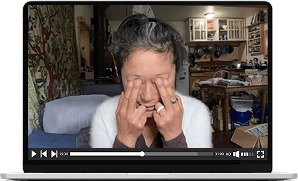
So that you can better assess the physiological factors behind emotional distress by exploring sleep, nutrition, and daily rhythms.
Apply nervous-system-informed “sleep hygiene” tools
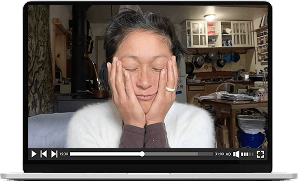
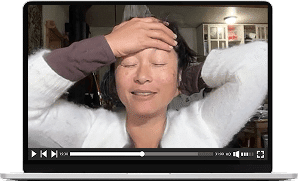
so that you can teach clients accessible, non-pharmaceutical ways to down-regulate and restore balance through breath, gentle movement, and mindful eating.
Use yoga and brain-based hacks for better rest
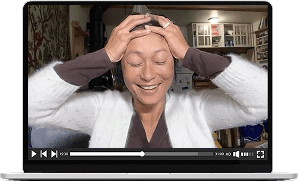
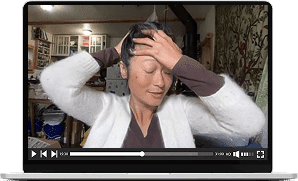
So that you can integrate evidence-based, embodied practices that promote parasympathetic activation and support deep, restorative sleep.
Support yourself while supporting others
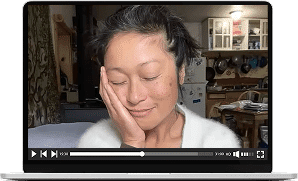
So that you can experience these tools firsthand, improving your own sleep, focus, and emotional resilience, because therapist well-being matters too.
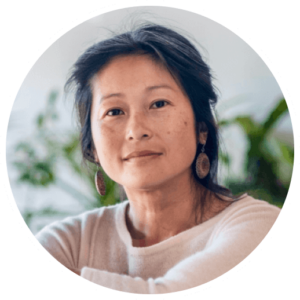
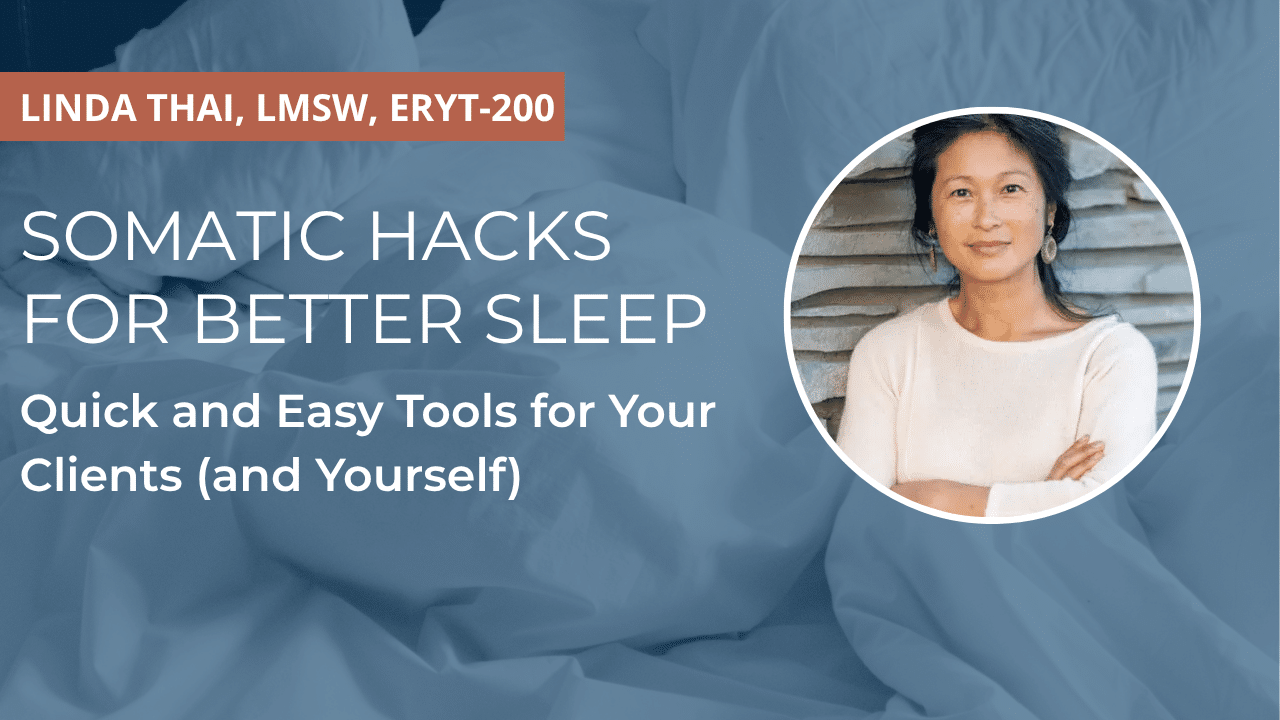
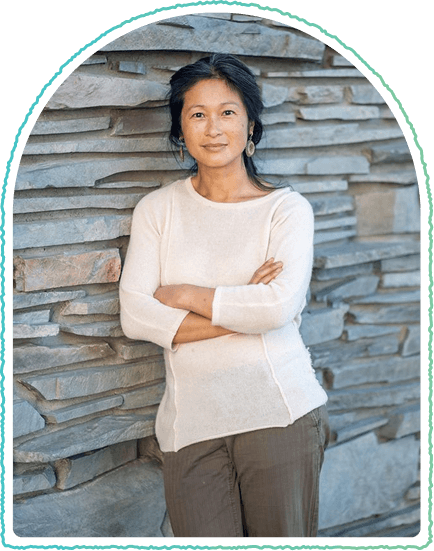
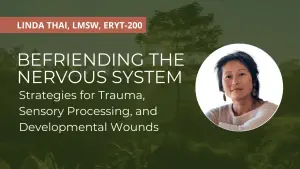
With over 16 years of experience, Linda Thai is uniquely qualified to integrate somatic and holistic approaches for trauma treatment.
Linda is a trauma therapist who specializes in cutting edge brain- and body-based modalities for healing complex developmental trauma. As an educator and consultant, she is gifted with the capacity to contextualize, synthesize, and communicate complex and nuanced issues of identity, mental health and wellbeing resulting from oppressive systems and the invisibilized wounds of racial trauma. Linda is passionate about breaking the cycle of historical and intergenerational trauma at the individual and community levels, and deeply believes in the healing power of coming together in community to grieve.
Born in Vietnam, raised in Australia, and now living in Alaska, Linda is a former child refugee who is not only redefining what it means to be Vietnamese, to be Australian, and to be a United States-ian….she is redefining what it means to be wounded and whole and a healer.

Reviews
There are no reviews yet.