

Neurobiology is an essential field that bridges the gap between Neuroscience and psychology, offering therapists valuable insights into the workings of the brain and its impact on mental health. In this blog post, we will explore the concept of neurobiology for therapists and delve into the neurobiology of safety—a vital aspect of therapeutic practice as taught by esteemed Academy of Therapy Wisdom therapist course faculty, Jules Shore.
Join us as we uncover the power of integration and the role it plays in creating a sense of neurobiological safety. Discover how understanding the brain’s complex states can enhance your therapeutic approach and support your clients on their journey to healing and well-being.
The Dance of Integration: Unveiling the Neurobiology-Psychology Connection
Decoding Integration and Unintegration
To comprehend the nuances of neurobiology, it is crucial to grasp the concept of integration and unintegration within the brain. Our brains have the remarkable ability to function in different states simultaneously. For example, we can breathe and talk simultaneously, demonstrating the brain’s capacity for parallel processing. States within the brain can exist separately or in connection with each other, varying in the degree of connectivity. When states are differentiated from each other but exist in a compassionate and welcoming relationship, we refer to this as integration. Integration is crucial for a harmonious and balanced experience of awareness.
The FACES Flow: The Mark of Integration
Complex systems, including the brain, thrive when they operate in a manner referred to as “FACES Flow.” Coined by Dan Siegel, FACES represents Flexible, Adaptive, Coherent, Energized, and Stable. When a complex system, such as the brain, exhibits FACES Flow, it signifies a state of integration. Integration allows the brain to be flexible in its responses, adapt to challenges, maintain coherence in its functions, be energized, and yet remain stable. This integrated state supports optimal functioning and overall well-being.

Join Juliane Taylor Shore for a FREE 90-minute webinar
Experiential Therapy Techniques: A Neurobiological Approach to Self-Compassion Therapy
During the webinar, you will learn:
A practice to increase self-compassion towards yourself as you do your work so you can both embody and benefit from self-acceptance.
The neurobiological difference between empathy and compassion so you keep use them judiciously in practice.
How to set up experiential practices so clients can discover and experience self-compassion.
Navigating Safety: The Neurobiology of Neurobiological Safety
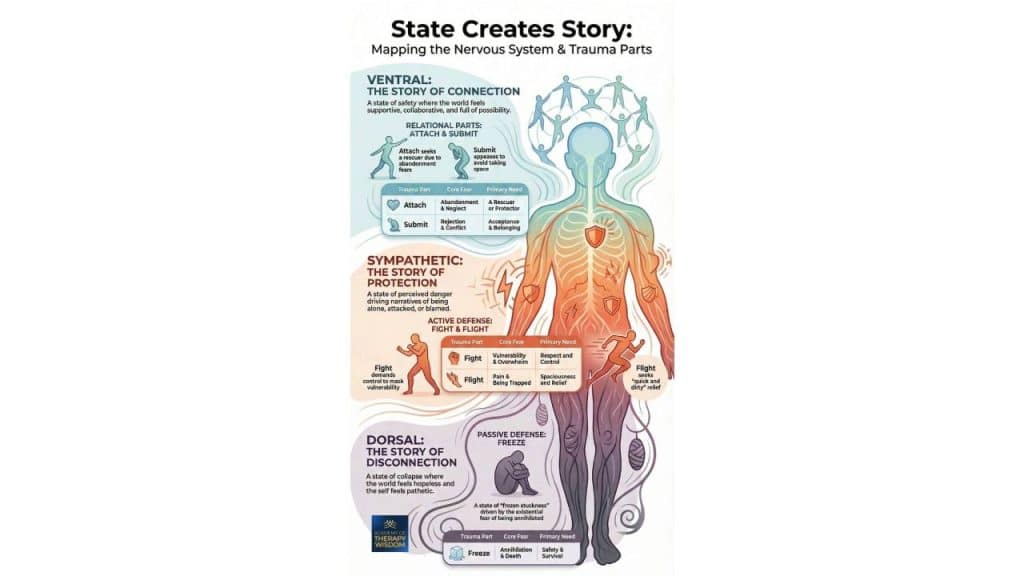
Neurobiological safety plays a fundamental role in therapeutic practice. When the brain perceives danger, it instinctively moves away from integration to protect itself. This response, although vital for our survival, can disrupt the system and lead to chaos or rigidity. As therapists, understanding the neurobiology of safety empowers us to create a safe and nurturing environment that encourages integration. By cultivating an atmosphere of neurobiological safety, we support our clients in exploring and addressing their challenges, fostering healing and growth.
[pull quote] “When a complex system is integrated, it exhibits FACES Flow, which means it is flexible, adaptive, coherent, energized, and stable.” – Julianne (Jules) Taylor Shore
In conclusion, neuroscience and psychology (neurobiology) offers therapists a valuable framework for understanding the intricate connection between neuroscience and psychology. By embracing the concept of integration and nurturing a neurobiologically safe environment, therapists can facilitate transformative healing experiences for their clients. Explore the dance of integration and unlock the power of neurobiology to foster resilience, well-being, and lasting change.
Ready to deepen your understanding of neurobiology and enhance your therapeutic practice? Join us for a free webinar with Jules Shore titled “Memory Reconsolidation for Anxiety: Unlocking Transformational Healing.” In this webinar, Jules will delve into the powerful techniques of memory reconsolidation and their application in anxiety treatment. Don’t miss this opportunity to expand your knowledge and refine your therapeutic skills.