


Neuroception and Polyvagal Training for Therapists

Creating the Felt Sense of Psychological Safety in the Therapy Room Using the Felt Sense Polyvagel Model
FREE Webinar with Jan Winhall

We now understand what somatic therapists have known for decades: safety is more than an idea, it’s a felt experience…

But how do we create that experience in the therapy room?

Polyvagal Theory helps illuminate the path. At the center is neuroception.

What is the Polyvagel Theory of Neuroception

What is the Polyvagal Theory of Neuroception?

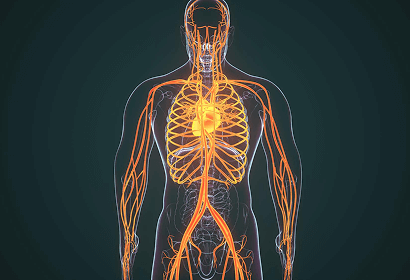
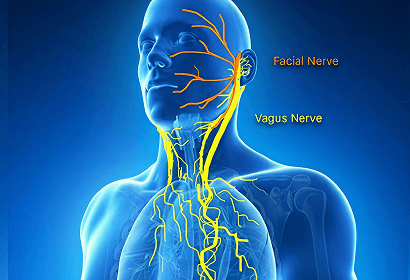
Neuroception is Stephen Porges’ term for the body’s unconscious process of scanning for safety or danger. This internal surveillance system doesn’t ask for our permission or input. It’s shaped by lived experience, trauma, and the present moment. And it operates through the vagus nerve, delivering real-time messages between the brain, heart, and gut.

When the vagus nerve is activated, the body begins to settle. Healing becomes possible.

Yet for many clients, especially those with histories of trauma, this state of calm regulation feels foreign, even unsafe.

What is an Example of Neuroception?

Imagine a client walks into your office for the first time. Nothing alarming is said or done, but something about the fluorescent lighting, a certain tone of voice, or even the scent in the room causes their shoulders to rise and their breath to shorten. They may not consciously register fear, but their body is already bracing. That’s neuroception at work, the body detecting subtle cues of danger or safety and deactivating the ventral vagel complex before the mind can make sense of the cues.

What is an Example of Neuroception

In this FREE polyvagal training webinar,

you’ll learn how to work with the body’s implicit intelligence to co-create a felt sense of safety. Somatic psychotherapist and educator Jan Winhall will guide you through practical, embodied tools that engage the breath, deepen nervous system awareness, and help clients anchor themselves in safety, even while exploring trauma.

You’ll also explore clinical applications through rich case examples and learn how the six steps of Focusing can help clients discover safety from within.

In this webinar, Jan will teach:

Participants will be able to name and describe the seven pathways of the autonomic nervous system

To name and describe the seven pathways of the autonomic nervous system

so that you can better understand and track how your clients move through different states of regulation and dysregulation.
Participants will have specific skills that they can apply to activate the vagus nerve

The specific skills you can apply to activate the vagus nerve

so that you can support clients in accessing calm, connected states that are essential for trauma resolution and emotional healing.

Participants will learn about the six steps of Focusing and how to help clients find the felt sense of safety

The six steps of Focusing and how to help clients find the felt sense of safety

so that your clients can develop a deeper relationship with their internal experience and build resilience through embodied self-awareness.

Participants will be able to describe the role of neuroception in healing from trauma

How to describe the role of neuroception in healing from trauma

so that you can more effectively recognize and respond to your clients’ unconscious cues of safety or threat, enhancing the therapeutic alliance and promoting lasting change.

Jan Winhall, M.S.W., P.I.F.O.T.

Meet your presenter:

Jan Winhall, M.S.W., P.I.F.O.T.

Jan is an author, teacher, and seasoned trauma and addiction psychotherapist. She is an Educational Partner and Course Developer with the Polyvagal Institute where she offers a training program based on her book Treating Trauma and Addiction with the Felt Sense Polyvagal Model, Routledge 2021. Completion of four levels leads students to become Felt Sense Polyvagal Model Facilitators. She is an Adjunct Lecturer at the University of Toronto and a Certifying Co-Ordinator with the International Focusing Institute. Jan is Co-Director of the Borden Street Clinic where she supervises graduate students, and she’s the founder of the Felt Sense Polyvagel Institute. She enjoys teaching all over the world. Jan’s new book Twenty Embodied Practices for Healing Trauma and Addiction: Using a Felt Sense Polyvagal Model came out in March 2025 with Norton. It is a manual for her first book, designed for the general public.

Free Access Now