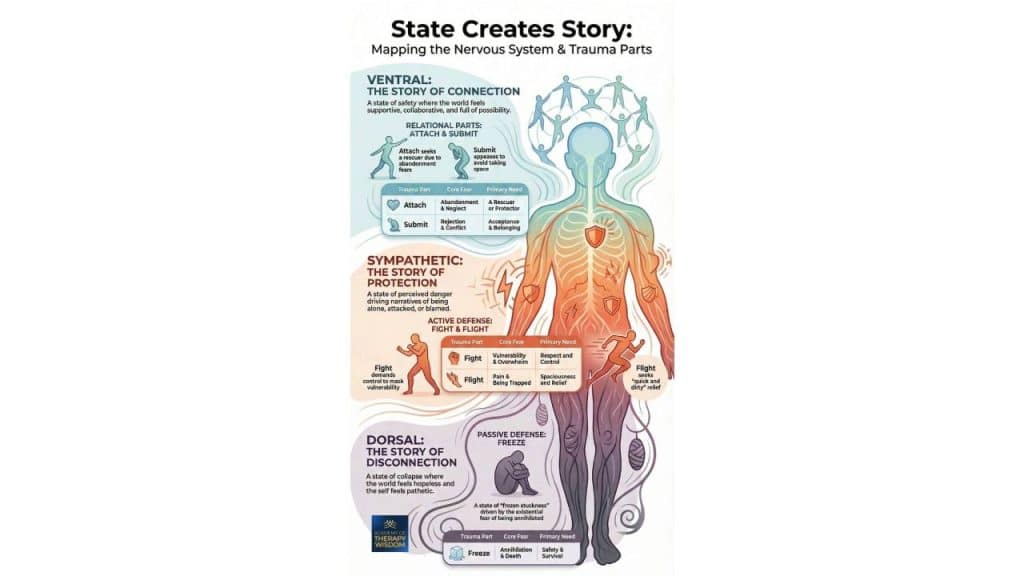

When learning how to use neurobiology in psychology, a good starting place is to gain a basic understanding of the complexities of the human brain. This can be a fascinating and rewarding experience for psychotherapists.
Neurobiology in psychology has grown a lot in recent years, and we now see mention of it everywhere: in the press, on social media, in academic papers, and in professional journals. How to use neurobiology in counseling is fast becoming an important aspect of continuing education (CE’s) for therapists, and for the therapeutic process.
What is neurobiology in counseling?
How do you understand the workings of the brain as a therapist?
Neurobiology is the scientific study of the structure, function, development, and genetics of the nervous system. We know how important it is to work with our clients’ nervous systems in psychotherapy sessions. By studying this intricate network of neurons, we can gain insight into the inner workings of the brain and unlock its potential for change, aka neuroplasticity.
To truly understand the brain, we must look at its different components. The brain is composed of many specialized cells, including neurons, glia, and other supporting cells. Neurons are the primary cells of the nervous system and are responsible for sending and receiving electrical signals throughout the body. Glial cells provide support and nutrition to the neurons, while other supporting cells regulate the flow of blood, nutrients, and waste to and from the brain.
Understanding the Brain as Therapists When We’re Not Neuroscientists
The brain is organized into distinct regions: the cerebral cortex, cerebellum, and brainstem. The cerebral cortex is responsible for higher cognitive functions like decision making, problem solving, and language processing. The cerebellum is responsible for motor control and coordination. The brainstem is responsible for basic functions such as breathing and heart rate.
Finally, the brain is composed of billions of neurons connected by synapses, or junctions between neurons that allow them to communicate with each other. Synapses form the basis of how we learn and remember, as each time a neuron transmits an electrical signal, it forms a new connection in the brain.
By studying neurobiology for therapists and understanding the underlying structures of the brain, we can gain insight into how it works. This helps us better understand how our clients experience life so that we can help them make changes.

JOIN a FREE WEBINAR TRAINING with Juliane Taylor Shore
Introduction to Neurobiology, Psychology, and Compassion
During the webinar, you will learn:
How compassion and self-compassion work in the brain
A simple tool to help clients receive compassion
Two tools to teach clients how to increase their self-compassion
The brain science behind the positive correlation between self-compassion and psychological wellbeing
Why is neurobiology important in psychology?
First, neuroscience helps us understand the physical structures and processes of the brain and how they interact with our thoughts and emotions. This helps us better understand our counseling clients’ behavior and mental health challenges, and to tailor treatment plans to individual needs. It can also provide insight into the potential causes of mental health issues and how to target them effectively.
Second, neuroscience provides psychotherapists with a greater understanding of the effects of various therapies, and can open the door to working with new methods, as well.
Ultimately, understanding the brain and neurobiology can significantly improve the quality of care we give our clients.
This is our goal and inspiration for offering the Academy of Wisdom Therapy online training for therapists in neurobiology with Jules Shore. In her latest course, Neurobiology with Heart: Partnering with Your Client’s Brain to Make Your Sessions Easier and Deeper, Jules gives therapists an in-depth look into the neurobiology of mental health, from understanding neurotransmitters and their effects to exploring the physicality of emotion and how to create strong working partnerships with their clients.
How long does it take to learn neurobiology for psychology?
The good news is that you can start working with neuroplasticity in psychotherapy sessions immediately upon studying it. The neurobiology-informed therapy techniques taught by Jules Shore are easy to learn, easy to share with your clients, and produce incredibly efficient results.
It takes a relatively short amount of time to learn the basics of neurobiology for psychology. With just a few hours of study and practice, you can be well on your way to incorporating neurobiology into your therapy sessions. Doing so can lead to profound positive changes in the lives of your clients, allowing them to gain greater insight into their behavior and thought patterns, improve their mental and emotional health, and make significant progress on the road to recovery.
We invite you to learn more about neurobiology in psychotherapy, starting with the short and powerful free online training in neurobiology with Jules.