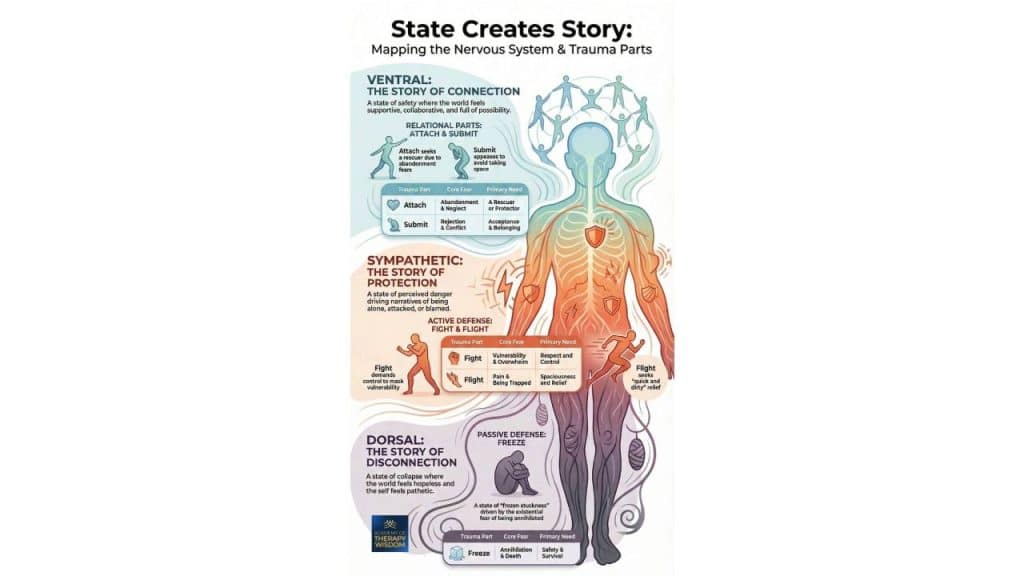


We’ve all experienced this as therapists: a client remains dysregulated throughout the session, and with only five minutes left, you’re left scrambling to help them leave in a more settled state. In such moments, having effective nervous system regulation techniques at your fingertips can make all the difference. For therapists looking to expand their skills, incorporating somatic practices can revolutionize how you support your clients.
If this resonates with you, explore our free training with Linda Thai, LMSW, on somatic nervous system exercises to discover techniques that are simple, fast, and effective.
Why Nervous System Regulation is Essential for Therapy Success
Helping dysregulated clients requires more than just intellectual or worksheet-based methods. Linda Thai, PhD, a leading expert in trauma and somatic therapy, explains, “Even some of the better-known somatic psychotherapy training programs are biased towards top-down engagement.” This often leaves therapists without the practical tools to address acute dysregulation effectively with the kind of nervous system support techniques that make a real difference.
Understanding Client Dysregulation and Its Impact
Dysregulation occurs when clients are outside their window of tolerance—either hyperaroused or shut down. This state can make it difficult for them to engage in therapy, connect with loved ones, or function in their daily lives. Without proper intervention, chronic dysregulation can perpetuate trauma responses and hinder progress.
The Somatic Approach: A Game Changer for Therapists
Somatic techniques prioritize body-based interventions that directly target the nervous system. Unlike traditional top-down methods, these exercises bypass cognitive barriers, making them especially effective for clients in crisis or early trauma recovery.

Join Linda Thai, LMSW, for a FREE webinar
Somatic Nervous System Exercises for Therapist and Client
During the webinar, Linda will show you:
Simple body-based techniques to help clients regulate their nervous system and leave sessions feeling calm.
Body-based techniques to help clients calm their nervous system.
Beyond-paper tools to expand your toolbox beyond grad school basics.
Understanding Nervous System Regulation Techniques for Therapists (video transcript, webinar excerpt):
“We all know what it’s like to sit with a client who’s been on and off dysregulated the entire session, and there are now only five minutes until the end of the session. We’re scrambling because we want them to be okay when they leave the office, but they’re in no shape to return to work or be with their family, let alone drive in Los Angeles traffic. I’m Linda, a somatic therapist and trauma therapist. I travel regularly to lead experiential workshops and trainings for therapists, and I speak at national and international mental health conferences.
Therapists often come to me saying they’ve studied polyvagal theory and the window of tolerance, but many of the techniques they’ve learned for regulating their clients’ nervous systems are intellectual, worksheet-based, or not somatic. They’re too complicated, take too long, or don’t work for some clients. These approaches remain top-down, and it’s not your fault—graduate school curriculums rarely teach body-based nervous system regulation techniques beyond breathing and basic grounding exercises.
Even some of the better-known somatic psychotherapy training programs are biased towards top-down engagement. To seem credible, they get lost in the psychotherapy part, and the somatics gets sidelined. We also emphasize therapist self-care with broad brush strokes but fail to teach ourselves how to care for our own nervous systems during those precious few minutes between sessions or what to do when we become dysregulated during a session.
I spent my first 10 years working in addiction recovery, where it was imperative that clients left the group or individual session with regulated nervous systems to reduce the chance of relapse. It was also crucial that they learned how to regulate their own nervous systems outside of sessions. I needed simple, effective, and fast techniques that were easy for me to teach and easy for my clients to learn. I studied somatic psychotherapy, but I found there were many clients I couldn’t engage with using my trainings—clients in phase one of trauma treatment, people in crisis, people in the early stages of addiction recovery, children, and teens.
I’m sure you’ve had clients like this, who are simply looking for more coping skills to help them get through an acute crisis or the overwhelm of their lives. There are also those for whom the psychoeducation around the nervous system doesn’t resonate. So, I went looking for simple, body-based tools that act directly on the nervous system without requiring psychoeducation for the client.
Through reading, exploring occupational therapy, trying techniques on myself, collaborating with clients, and understanding how the nervous system functions, I’ve collected a library of techniques. Even therapists who know somatic techniques often don’t know many of these. I know this because I didn’t learn any of these techniques during my multi-year trainings in sensory motor psychotherapy, somatic experiencing, or polyvagal theory. Let me show you a couple of these techniques right now.”
Effective Nervous System Regulation Exercises for Immediate Results
Quick Techniques to Settle a Dysregulated Client
Linda Thai highlights that therapists often feel unequipped to manage dysregulation quickly: “We emphasize therapist self-care with broad brush strokes but fail to teach ourselves how to care for our own nervous systems during those precious few minutes between sessions.” Simple, actionable exercises can bridge this gap while you consider more in depth trauma therapy training with one of our many experts.
1. Orienting to the Present Moment
- What It Is: Guide clients to visually scan their environment, naming objects, colors, or shapes they notice. This gently reactivates their parasympathetic nervous system.
- Why It Works: Anchoring to the present can reduce hyperarousal and enhance a sense of safety.
2. Vagus Nerve Stimulation
- What It Is: Encourage humming, deep sighs, or gentle neck stretches.
- Why It Works: These actions stimulate the vagus nerve, promoting calm and reducing the fight-or-flight response.
3. Bilateral Stimulation
- What It Is: Use alternating hand taps on the thighs or encourage gentle walking.
- Why It Works: Bilateral stimulation helps integrate sensory input and soothe an overactive nervous system.
The Role of Therapist Self-Regulation
Caring for Your Own Nervous System
Therapist self-regulation is just as important as client care. Linda Thai’s experience underscores this: “It was imperative that clients left the session with regulated nervous systems, but also that I could care for my own nervous system in between sessions.” Effective self-regulation can:
- Improve therapeutic presence.
- Prevent burnout.
- Enhance your ability to co-regulate with clients.
Tools for Therapist Nervous System Self-Care
Top Therapist Techniques
- Box Breathing
- Inhale for four counts, hold for four, exhale for four, and hold for four.
- Benefit: Quickly calms and centers your mind.
- Progressive Muscle Relaxation
- Tense and release muscles from head to toe.
- Benefit: Relieves physical tension and promotes relaxation.
- Grounding with Nature
- Step outside, feel the earth, or focus on natural elements.
- Benefit: Instantly reconnects you to a sense of stability.
Somatic Techniques for Improved Client Outcomes
Supporting Clients After the Session
Clients who practice somatic nervous system regulation techniques often report feeling more empowered and less dependent on therapy for immediate relief. These tools are invaluable for clients in early trauma treatment, addiction recovery, or acute crises. Linda Thai explains: “I needed simple, effective techniques that were easy for me to teach and easy for my clients to learn.”
Benefits of Somatic Exercises for Clients
- Empowerment Through Self-Regulation
- Clients gain tools to manage stress independently.
- Reduced Risk of Relapse
- Especially in addiction recovery, nervous system regulation minimizes triggers.
- Faster Progress in Therapy
- Clients in a regulated state can engage more deeply in therapeutic work.
Go Deeper: Learn Somatic Nervous System Exercises
Therapists often seek out advanced techniques to better support their clients and themselves. While you may also be looking for continued education therapist courses that, while deeply valuable, can require more time and commitment, a quick start with Linda Thai can increase your skills today, starting for free.
If you’re ready to expand your skill set, join Linda Thai’s free training on somatic nervous system exercises. This training provides practical, body-based tools that work in real-time, empowering you to make a profound difference in your practice.Expand your knowledge, transform your practice, and feel confident in your ability to support even your most dysregulated clients. Sign up today and take the next step in mastering nervous system regulation techniques