
We know that working with trauma in clinical practice requires deep professional skills and confidence. Our trauma therapy training online courses aim to help you navigate these landscapes with skill and success to avoid the common mistakes therapists make in the clinical setting.
Don’t Make These Mistakes with Trauma Therapy Clients
Mistakes therapists make can be costly and counterproductive, hindering the healing process rather than facilitating it. In this blog post, we’ll explore some common mistakes therapists make when working with trauma survivors and provide insights into what to do instead. Avoiding these pitfalls can help therapists build trust, foster resilience, and promote genuine healing in their clients.
The Pitfalls of Misguided Validation in Trauma Therapy
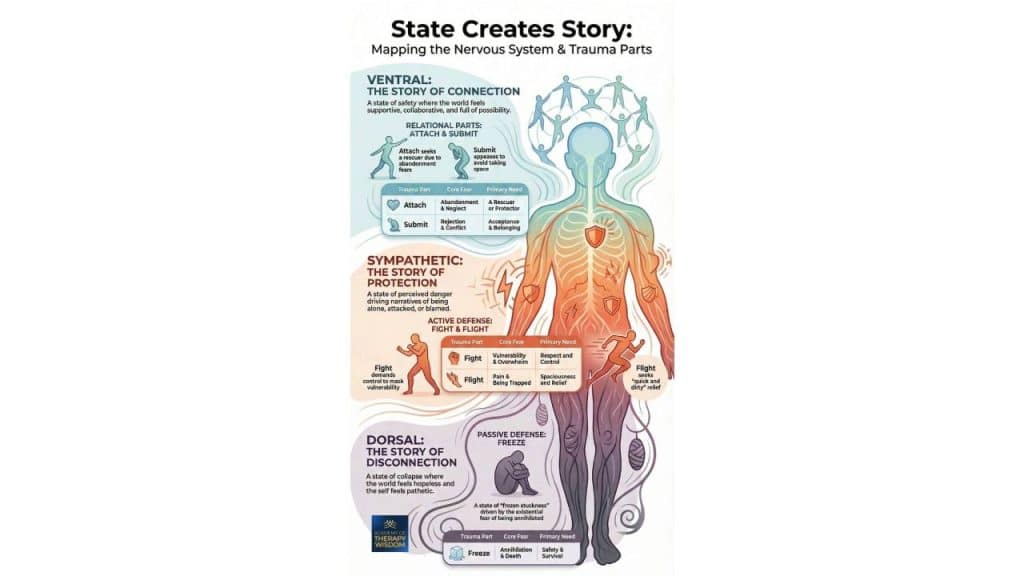
One common mistake therapists make when working with trauma therapy clients is rushing to validate the client’s vulnerable part. Vulnerability is a deeply fragile state for trauma survivors, and diving headfirst into this territory can be overwhelming and retraumatizing. Instead, therapists should prioritize validating the fight or flight parts that instinctively came to the defense of the wounded child.
Mistake #1: Working First with Validating the Vulnerable Part
When therapists focus too soon on validating the vulnerable part of a trauma survivor, they risk triggering intense emotions and distress. This can lead to resistance, dissociation, or even avoidance, hindering the therapeutic process.
Validate THIS Instead
To avoid this mistake, therapists should start by acknowledging and validating the fight or flight parts of the client. These protective mechanisms developed as survival strategies for trauma survivors and are often more accessible for exploration. By creating a safe space to understand and work with these protector parts, therapists can gradually pave the way for addressing vulnerability when the client is ready.

Join Trauma Informed Stabilization Treatment Webinar by Dr. Janina Fisher
Helping Trauma Survivors Get Unstuck: A Fragmented Selves Approach in Therapy
In This NEW Janina Fisher Webinar you will learn:
How to understand perplexing clients using the TIST perspective so you can see the fragmented selves at work.
How to organize a treatment plan using the TIST model so you have an effective approach to care.
How TIST helps shift even the most stuck clients so they can finally make progress.
How to relieve your frustration and prevent burnout with more effective trauma treatment.
on April 4, 9-10am PDT / noon-1pm EDT / 5-6pm BST
The Illusion of Narcissistic Wounds
Another misunderstanding in trauma therapy is the concept of the “narcissistic wound.” While the term suggests a wound to pride, it’s crucial to recognize that it’s, in fact, a wound to the heart of very young children. Mislabeling this can lead to misdirection in therapy.
Mistake #2: Misnaming the Wound as Narcissistic
Referring to this deep emotional wound as narcissistic can unintentionally trivialize its significance. It’s not about wounded pride but the profound emotional pain carried by your trauma therapy client.
What to Call It Instead
To correct this mistake, therapists should reframe their approach. Addressing this wound as a wound to the heart allows therapists to approach it with the empathy and sensitivity it deserves. This shift in perspective can create a more profound connection between the therapist and client, fostering a sense of understanding and trust.
The Emptiness Dilemma
Clients often experience a sense of emptiness as they grapple with their traumatic experiences. This emptiness can manifest as a feeling of being nothing or a longing for attachment. Misinterpreting or mishandling this emptiness can hinder progress.
Mistake #3: Misinterpreting the Emptiness
Assuming that emptiness is solely a negative state can lead to pathologizing the client’s experience. This can result in the therapist missing the opportunity to explore the client’s need for connection.
What to Do Instead
Instead of pathologizing emptiness, therapists should see it as an invitation for exploration. Emptiness can represent the yearning for connection, and therapists should help clients navigate this need in a safe and healthy way. It’s an opportunity to build attachment and resilience.
The Delicate Balancing Act of Approaching Vulnerability
When working with trauma therapy clients, therapists must navigate the delicate balance of addressing vulnerability. Rushing into this territory too quickly can overwhelm clients, but avoiding it altogether can hinder progress.
Mistake #4: Rushing into Deep Waters
Pushing clients to confront their vulnerabilities before you´ve established trust and success in lesser-provoking areas can trigger intense emotions and resistance prematurely, causing them to shut down or withdraw from therapy.
Where to Focus Instead
To strike the right balance, therapists should gradually build intimacy, respect, and comfort before heading into discussions that touch a client´s vulnerability. Start by building a foundation of trust through validating protective mechanisms (point #1). As the client feels safer and more supported, they will naturally become more open to exploring their vulnerabilities.
Emptiness as a Gateway to Healing
Emptiness is a common experience for trauma survivors and can serve as a gateway to healing if understood correctly. Misinterpreting this emptiness can hinder therapeutic progress.
Mistake #5: Pathologizing Emptiness
Viewing emptiness as solely negative or a sign of dysfunction can miss the opportunity for meaningful exploration and growth.
How to See It Instead
Embrace emptiness as a potential turning point in therapy. Recognize it as a signal for the client’s need for connection and attachment. By addressing this need in a safe and therapeutic manner, therapists can help clients build resilience and foster healthier relationships, ultimately contributing to their healing journey.
A More Compassionate Environment for Processing Trauma
In conclusion, the journey of trauma therapy is nuanced and requires therapists to avoid these common mistakes in clinical practice. By prioritizing the fight or flight parts, reframing wounds as wounds to the heart, and embracing emptiness as an opportunity for growth, therapists can create a more effective and compassionate therapeutic environment for processing trauma.
Review the Mistakes Therapists Make with Trauma Survivors
Recapping the Top 5 Mistakes, How to Avoid Them, and What to Do Instead
- Mistake: Working first with validating the vulnerable part. Instead: Begin by validating and understanding the fight or flight parts, allowing the client to feel safer and more supported.
- Mistake: Misnaming the wound as narcissistic. Instead: Reframe the wound as a wound to the heart, fostering deeper empathy and connection between therapist and client.
- Mistake: Misinterpreting the emptiness. Instead: View emptiness as an opportunity for exploration and address the client’s need for connection.
- Mistake: Rushing into vulnerability. Instead: Gradually pave the way for addressing vulnerability by first working with the protective mechanisms.
- Mistake: Pathologizing emptiness. Instead: Recognize emptiness as a call for attachment and help clients navigate this need in a healthy manner.
Here we share the direct transcript of the above video excerpt from one of Janina Fisher´s valuable trauma-informed care trainings, which inspired this Wise Therapy Blog post. Dr. Fisher is a leading expert in the field of trauma recovery and is the founder of Trauma-informed Stabilization Treatment (TIST).
“In the narcissistic wound for children, the issue is that they’re vulnerable, and vulnerability is dangerous unless there is safe, secure attachment. I think that’s the narcissistic wound in some clients. You see very big fight and flight parts guarding the parts that have been wounded. I don’t know why we call it a narcissistic wound because, in fact, what it is is a wound to very small children that then becomes defended by very vigorous fight and flight parts.
I think narcissistic parents are very frightening parents often. The emptiness I see is either the emptiness of a submit part, feeling like a nothing, or the emptiness of an attached part because attached parts need connection, just like all little kids, right? Little kids need connection. So, I help clients work with developing a non-vulnerable connection to their fight and flight parts.
We make a mistake as therapists; we go straight for the vulnerability. That’s simply going to be threatening to most trauma survivors. So I say, let’s go first to validating their fight and flight parts’ defense of that wounded child. And let’s NOT call it a narcissistic wound; it’s not a wound to pride, it’s a wound to the heart, that’s really what it is.
And I just want to say, I know there are many of you on this call who are trauma survivors yourselves, and what I can say is that the trauma world just started developing at the very end of the 80s. We’re still a young field. We’re catching up, we’re getting better and better. And have hope because we are finding ways to understand trauma and to offer help more and more.”
Learn More Trauma Therapy Techniques
We´re here to support you on your path to becoming a highly skilled and effective therapist, especially in the area of trauma recovery. Learn more about our trauma-informed therapy courses, get immediate access to free training, and join one of our immersive online community learning experiences. We look forward to seeing you in the community!