
I’ve been closely following the emerging 2025 mental health trends, and though I´m not surprised that trauma is top of mind with professionals and clients alike, I am struck by the recent study published in the Journal of Psychotherapy Research highlighting the growing need for innovative approaches and learning new methods for trauma treatment.
As I´ve seen mental health professionals grapple with the lingering effects of the pandemic and the evolving challenges faced by their clients, it’s clear that staying ahead of the curve is more critical than ever. The mental health crisis continues to grow, and demonstrates how conventional talk therapy is not working for most clients. This is where groundbreaking work like the TIST Certification program, developed by renowned trauma expert Janina Fisher, PhD, comes into play.
Dr. Fisher’s insights into the complex interplay between trauma, attachment, and the nervous system have revolutionized the field of trauma therapy. While her work serves as an excellent example of the cutting-edge approaches needed to address the shifting mental health landscape, it’s important to recognize that a multifaceted approach is necessary to effectively support clients in 2025 and beyond.
As we delve into the key mental health trends shaping our field, it’s essential to consider a range of perspectives and techniques to ensure that we’re providing the most comprehensive and effective care possible.

Join Dr. Janina Fisher for a FREE webinar
Healing the Fragmented Selves of Trauma Survivors
on April 24th, 2025 9:00-10:30am PDT / 12:00-1:30pm EST / 5:00-6:30pm UTC
In this free webinar, Dr. Janina Fisher will help you:
How to identify and work with fragmented selves in trauma survivors.
How to stabilize chronically at-risk clients using TIST principles.
How to address self-alienation and dissociation to foster self-acceptance.
How to navigate therapeutic gridlock and work effectively with resistant, stuck, or emotionally overwhelmed clients.
The Rise of Trauma-Informed Approaches
One of the most significant shifts in mental health treatment in recent years has been the growing recognition of the pervasive impact of intense Trauma, and “everyday trauma”. As a result, trauma-informed mental healthcare has become an essential component of effective therapy. This approach acknowledges the widespread prevalence of trauma and seeks to create a safe, supportive environment that promotes healing and resilience.
Key features of trauma-informed approaches include:
- Prioritizing safety and trust
- Emphasizing client empowerment and collaboration
- Recognizing the impact of trauma on the mind, body, and relationships
- Integrating a range of therapeutic modalities to address the complex needs of trauma survivors
The Integration of Somatic Therapies
Another notable trend in mental health treatment is the growing recognition of the mind-body connection and the importance of incorporating somatic therapies into trauma work. Somatic approaches, such as Sensorimotor Psychotherapy and Somatic Experiencing, focus on the physical experiences and sensations associated with trauma, helping clients to release stored tension and regulate their nervous systems.
According to a recent case study published in the Journal of Traumatic Stress, a 12-week somatic therapy intervention significantly reduced PTSD symptoms and improved overall functioning in a group of combat veterans (Johnson et al., 2024). This study highlights the potential of somatic approaches to complement traditional talk therapy and enhance treatment outcomes.
Emphasis on Nervous System Regulation in Mental Health in 2025
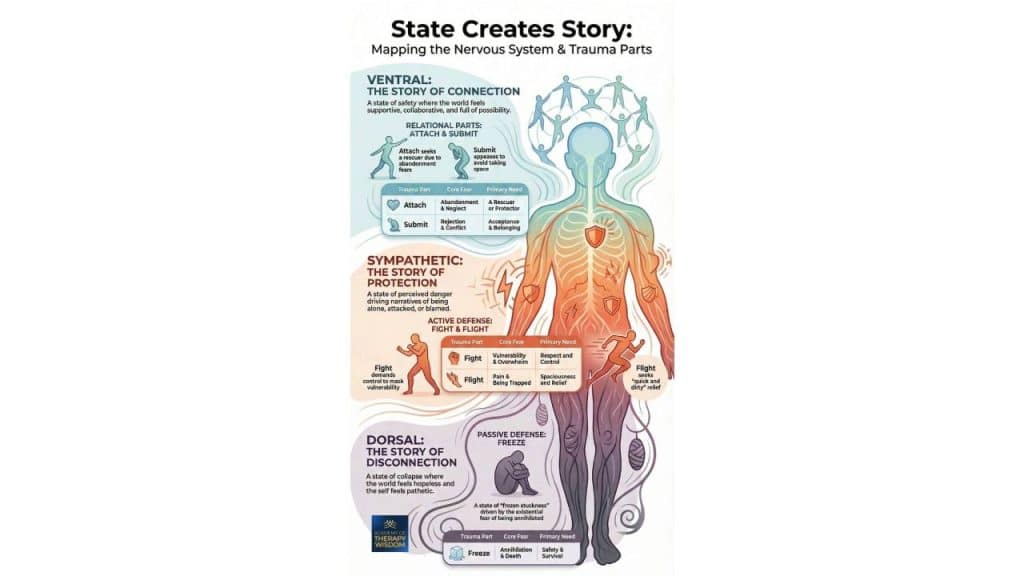
As Dr. Fisher emphasizes in her work, understanding the role of the nervous system in trauma is crucial for effective treatment. When an individual experiences trauma, their nervous system can become dysregulated, leading to a range of symptoms such as hypervigilance, dissociation, and emotional reactivity.
“The body remembers what the mind forgets. Trauma is not just an event that happened in the past; it is also the imprint left by that experience on the mind, brain, and body.” – Bessel van der Kolk, MD, author of “The Body Keeps the Score”
Key Strategies for Nervous System Regulation
- Teaching clients to identify and track their own nervous system activation
- Incorporating grounding and centering techniques to promote a sense of safety
- Utilizing bilateral stimulation and other sensory interventions to facilitate processing
- Emphasizing the importance of self-care and stress management in maintaining regulation
While Dr. Fisher’s TIST approach provides a comprehensive framework for addressing nervous system dysregulation in trauma treatment, it’s important to recognize that a range of techniques and modalities can be effective in supporting regulation and healing. For example, the Polyvagal Theory, developed by Dr. Stephen Porges, offers valuable insights into the role of the autonomic nervous system in trauma and has informed the development of novel interventions, such as the Safe and Sound Protocol (SSP) (Porges & Dana, 2018).
Navigating the Challenges of Trauma Treatment in 2025
As mental health professionals, we face numerous challenges in providing effective trauma treatment in the current landscape. These challenges include:
- The ongoing impact of the COVID-19 pandemic on mental health and access to care
- The increasing recognition of the role of systemic and intergenerational trauma
- The need for culturally responsive and inclusive approaches to trauma treatment
- The importance of addressing the impact of trauma on marginalized and underserved communities
Strategies for Overcoming These Challenges
- Prioritizing self-care and vicarious trauma prevention for mental health professionals
- Engaging in ongoing education and training to stay current with emerging research and best practices
- Collaborating with community partners and advocates to address systemic barriers to care
- Adapting treatment approaches to meet the unique needs and cultural contexts of diverse client populations
Conclusion: Embracing Innovation and Collaboration in Psychotherapy
As we navigate the shifting landscape of mental health trends in 2025, it’s clear that embracing innovation and collaboration will be key to providing effective trauma treatment. By staying current with emerging research, integrating a range of therapeutic modalities, and prioritizing nervous system regulation, we can better support our clients in their healing journeys.
One powerful resource for deepening your skills in trauma-informed care is the TIST Certification program, developed by Dr. Janina Fisher. This comprehensive training offers a framework for understanding the impact of trauma on the nervous system and provides practical strategies for supporting regulation and healing. By investing in your own education and professional development, you can enhance your ability to navigate the complex challenges of trauma treatment in 2025 and beyond.
As we move forward in this ever-evolving field, let us remain committed to our own growth and to the well-being of those we serve. Together, we can create a brighter future for trauma survivors and build a more resilient, compassionate world.
Warmly,
Heather