
Each year we open submissions for our Annual Wise Therapy Spotlight, where we ask a question of particular importance to our wider therapist community. We are always moved by the depth and generosity of our community voices.
This year, we asked our community, What Is the Soul of Therapy? Read more about our inspiration for this, our 5th edition, in the letter from the editors and Academy of Therapy Wisdom founders, Brian and Ian.
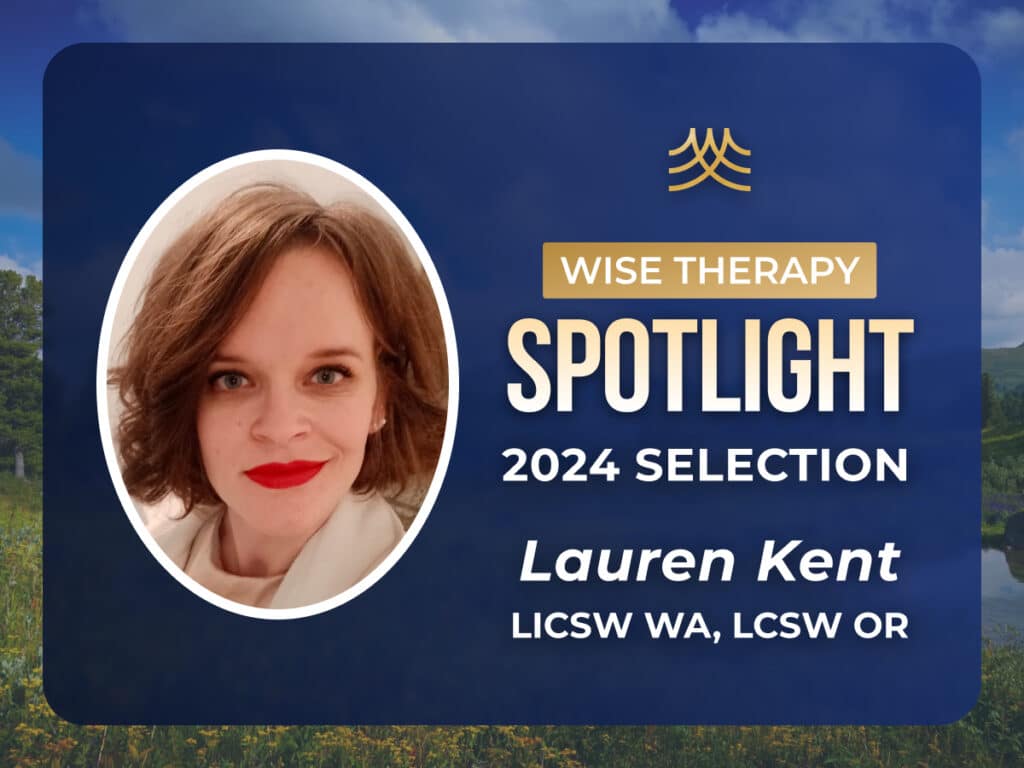
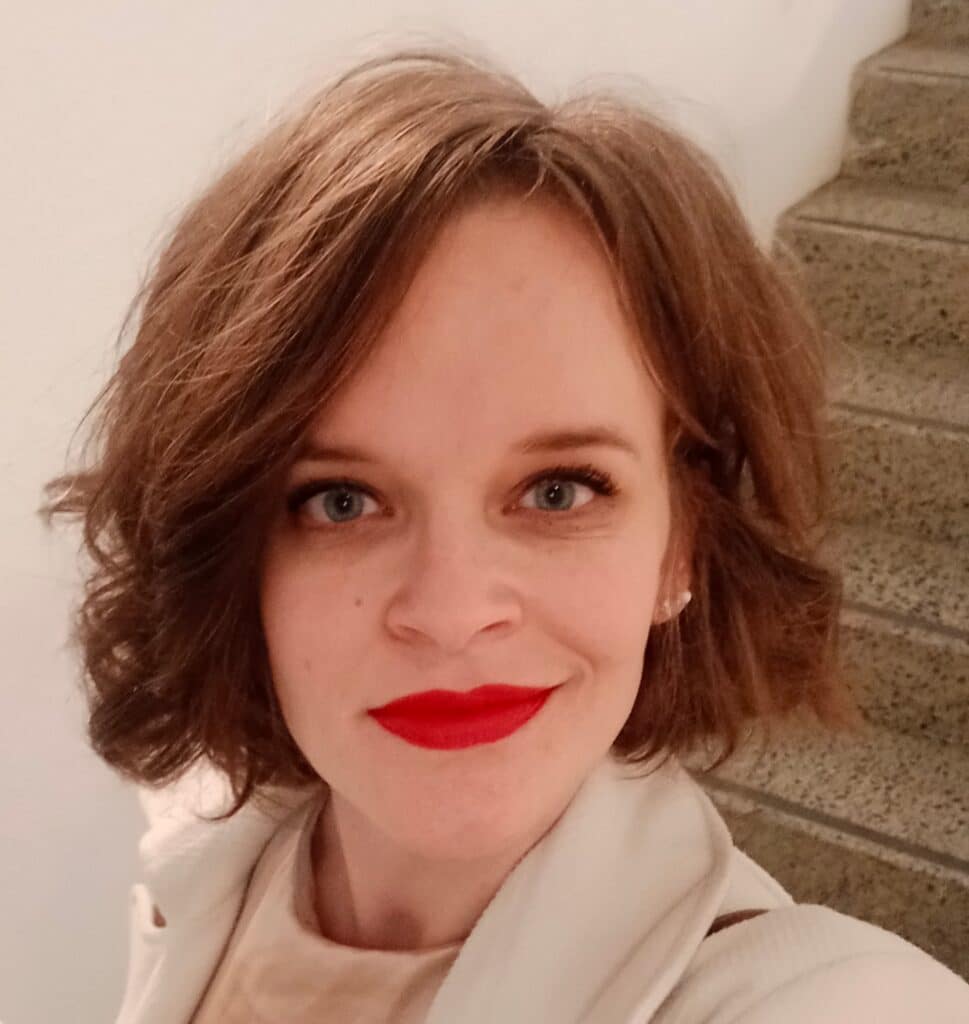
Continue here to read the submission by Lauren Kent, MA. We hope you enjoy it as much as we all did.
What is the soul of therapy?
Maybe our purpose in life is to be an anecdote in another’s story of their life. Maybe as people, and as therapists, we do not need to change the world, but need to be people living and learning and growing. And if all we get is a mention in another person’s story then we have lived our best life.
There is so much pressure as therapists to be the next big thing, the trend, the rage, the way to find enlightenment. Often quickly, so that the patient can continue quickly with their life. So we bend and sample and add and interpret and create the newest, best, unique package and sell it and market it. And it is exhausting honestly.
As healers and therapists we enter the world to live slowly and in tune with ourselves, and then become hustlers and sellers and content makers, using trending hashtags and even trendier tunes.
Yes, I know that we need money and to be paid in order to live and continue to provide our services. And money is not bad, it is just an energy of exchange, and we should have energy exchange when we give our services. But we only get that energy exchange when we offer the trendiest of offerings. So why are we here?
I am not here to provide the definitive answer, but rather to get practitioners and patients to reflect on this themselves and come to their own ideas and understandings. But let me suggest one thing on which to reflect. In the early 2000s, I had been practicing yoga and spiritual vegetarianism and retreating for 10 days of silent meditation. I’m South African. Almost all the participants were white and middle/upper class and were leading the way into the new world, barefooted and dreadlocked. They began selling packages of dancing to trance music on rooftops and as a quick ride to enlightenment, yoga to trance music, being vegetarian and volunteering in poor African and SE Asian countries as saving the world, reselling meditations their own way with no other guidance from where it came from. It was all wild and fun in the 2000s. I felt like an imposter, repackaging the work of others and charging for a quick fix. I took the biggest step away from what I later realised was feelings of inauthenticity. Our collective histories have destroyed our ability to understand the roots of these practices and it shows.
It begins when a person is drowning and reaches out for something to save them. And they find breath work, or yoga, or chanting, or body work, or vegetarianism and it is a life raft. They find a way back to themselves and the more they progress in the practice they themselves may become teachers. And they want to share the wonders of this with others. But there is so much yoga already, trendy summer-body yoga classes, with lululemon pants and expensive classes, expensive vegetarian recipes, emotional shuddering body work that a bearded white dude in America was able to channel, that no one has ever thought of before. I sound condescending and I apologise if I have offended anyone. The thing is that no one is doing this in a horrible and spiteful way, and I believe that everyone is really trying their best to make the world better. It is just what has been pushed in the healing circles; circles so entrenched in modern individualism, that to succeed it to stand out. To be one in a million. To forge ahead of your own, by your own grit.
But that is so far from what the healing community is, and should be. The newest trend is cacao ceremonies, and Mayan healers are questioning the extent to which it is being done authentically or is just a bunch of dreadlocked folks drinking cacao with little rootedness in the tradition.
So I think as practitioners, as healers, as therapists, we need to start asking for authenticity, and protecting this.
Otherwise we risk our modalities becoming shallow and trendy. Or further divide.
Why is it that the white person who is doing body work is lauded, but the brown practitioner who has been doing this for generations has been (yes in the past but not rectified) considered uneducated or backward? Now practices that have been healing Indigenous communities for generations are being resold as new, polished and trendy, as if it has just been discovered. As practitioners we need to be rectifying this historical process. The earth, and the practitioners who have for centuries practiced with the earth, holds so much knowledge and honestly, no techniques are new. If we understand this, then we start to teach authentically and deeply. And in authenticity we break the need to be individual and “the best” and begin to understand that community is important in healing circles. Healing knowledge is built within community and and from community and elders and ancients and largely Indigenous Peoples, as these communities are as old as the earth itself. And in our practices we need to, it is so important to, acknowledge where our healing knowledge comes from.
Shamans have become somewhat trendy in this decade. Quick seven month courses are offering people the title of shaman. While others acknowledge the importance of first getting “the call” from the other world to know that you are ready to become a Shaman. And then undertake a very long period of training, which involves deep shadow work, before you can lead others. Which emphasise slowness, community, connection, rootedness, and which is a somewhat quick fix? I am not shaming anyone on their journey. We are all, I believe, doing our best. What I am asking is that practitioners reflect on their paths. And most importantly understand where their knowledge is coming from. Nothing is new. And is it in the best interest of the practice to combine multiple modalities to create something new – is it going to be beneficial or are you negating the power of the modalities by being too mixed and trendy? As practitioners we get our power by simply practicing the ancient knowledge and keeping it alive.
So as practitioners, let us be content to practice our modalities, without having to create something shiny and trendy. That we are anecdotes in the story of the modality – She practiced our collective knowledge, she did it deeply and truly. And that is all. No millionaires or cult followings. She practiced and she taught and she was good. Let this be the heart of therapy that we practice.
The views expressed in this essay are not necessarily the opinions of Academy of Therapy Wisdom, its presenters or its staff. This is part of a series featuring the unedited voices of our community in conversation. All content is used with permission and is copyright 2024 by Academy of Therapy Wisdom. Only the author may reproduce their content.
To read more articles or download a free copy of the final publication visit Wise Therapy Spotlight.