
Are you a therapist looking to add a cutting-edge modality to your repertoire? Ready to jump (and dance, and sing out loud!) out of the box of extraordinary professional online trainings for therapists? Buckle up, because we’re about to introduce you to a phenomenon sweeping the therapeutic landscape: Taylor Swift Therapy (TST).
Inspired by a recent New York Times opinion piece by psychiatrist Suzanne Garfinkle-Crowell Taylor Swift Has Rocked My Psychiatric Practice, and in response to popular demand from our Swifty students and team members alike, TST leverages the immense power of music and storytelling to unlock emotional breakthroughs in your clients.
But why use Taylor Swift Therapy (TST) techniques?
Here’s the science:
- Relatable Narratives: Swift’s music resonates deeply with people of all ages and backgrounds. Her lyrics explore themes of love, loss, self-discovery, and resilience – universal experiences that fuel therapeutic exploration.
- Emotional Catharsis: Music has a well-documented ability to evoke emotions. TST utilizes specific Swift songs to guide clients through a range of feelings, fostering healthy emotional processing.
- Nostalgia & Positivity: Many associate Swift’s music with their youth, a time often brimming with hope and optimism. TST taps into these positive memories, creating a safe space for clients to confront challenges.
The Swift Phenomenon Is About Therapeutic Connection
Think of TST as a bridge between traditional therapy and the music our clients already connect with. Imagine a client struggling with heartbreak finding solace in “All Too Well.” Or a client facing self-doubt discovering empowerment in “Shake It Off.” This is just the tip of the iceberg of supportive musical props you can start using in your clinical practice today! Read on to discover more…
Here’s what our comprehensive Taylor Swift Therapy Course offers:
- Understanding the TS Catalog: Delve into the evolution of Swift’s music, analyzing its therapeutic potential across different albums and eras.
- Curating Playlists: Learn to create targeted playlists based on your client’s needs, using specific Swift songs to address themes of anxiety, depression, relationship issues, and more. Swift´s newest release, The Tortured Poets Department, is proving especially resonant with young and seasoned fans alike.
- Lyric Analysis Techniques: Discover how to effectively analyze Swift’s lyrics, extracting metaphors, symbolism, and deeper meanings that resonate with your client’s experiences.
- Case Studies & Ethical Considerations: Explore real-life case studies demonstrating the successful application of TST, while ensuring ethical and professional boundaries throughout the process.
Weaving TST into the Tapestry of Effective Modern Therapies
The beauty of TST lies in its ability to complement existing evidence-based practices. Here’s how it can synergize with some of today’s most effective modalities:
- Cognitive Behavioral Therapy (CBT): CBT helps clients identify and challenge negative thought patterns. TST can be a powerful tool for identifying these patterns within lyrics. For instance, analyzing the self-doubt expressed in “The Story of Us” (a song that reflects on a relationship’s demise, questioning if the narrator’s insecurities contributed to the heartbreak) can be a springboard for CBT exercises that challenge those beliefs.
- Neurobiology and Memory Reconsolidation: We know that music activates the brain’s reward system, releasing dopamine and fostering positive emotions. TST leverages this by using upbeat, empowering songs like “ME!” to create a positive emotional shift and recontextualize post life events in a process neuroscientists and psychologists refer to as memory reconsolidation. These can support overall well-being.
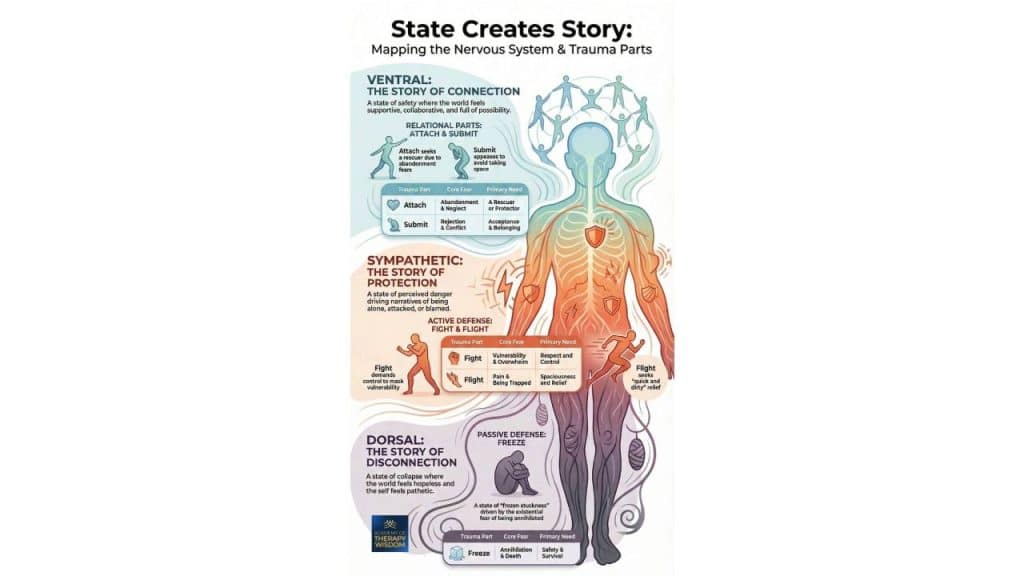
- Trauma-Informed Stabilization Treatment (TIST): For clients struggling with complex trauma, TIST focuses on grounding and emotional regulation while honoring the protective roles of “parts”. Certain Swift songs, like the calming and introspective “invisible string,” can be used within TIST interventions to create a sense of safety and self-soothing, and chart-toppers like “bad blood” can help clients recognize the safety provided by assertive, boundary-instilling parts that stem from reactions to betrayal and lost connection at the perceived falt of a (formerly-) loved one.
- Internal Family Systems (IFS): IFS, similarly to aspects taught in our TIST training with Janina Fisher, helps clients understand and manage different parts of their personality. Analyzing lyrics that explore internal conflict, like the back-and-forth between vulnerability and anger in “Dear John,” can be a springboard for IFS-informed exploration of a client’s inner world.
- Somatic Therapy: Somatic therapy focuses on the connection between mind and body. Pairing specific Swift songs with gentle body awareness exercises can help clients connect with their physical sensations and emotional states. For instance, using a slower, introspective and arousing anthem like “Long Live” might prompt journaling and body scan exercises to explore underlying emotions related to past or present circumstances.
- EMDR (Eye Movement Desensitization and Reprocessing): While TST wouldn’t replace EMDR, it can serve as a preparatory tool. Songs that evoke specific memories or emotions can be used as a gentle introduction to topics a client might explore further in EMDR sessions.
- Gender Diversity & Social Justice Advocacy: Taylor Swift is a vocal advocate for LGBTQ+ rights and gender equality, evident in anthems like “You Need To Calm Down.” TST can serve as a springboard for discussing these important issues with clients, fostering a safe and inclusive therapeutic space for those exploring gender identity and sexual orientation.

JOIN a FREE WEBINAR TRAINING with Sarah Burgamy, Psy.D
Everything You Wanted To Know about Gender-Competence But Were Afraid to Ask!
During this webinar, you will learn:
The ethical imperative of gender-inclusive mental health care
Gender identity as a global human phenomenon
The rising mental health needs of gender-questioning, gender-expansive people
Understanding the crucial mental health needs of gender-diverse children and adolescents and their caregivers
It’s important to remember that TST is a complementary approach, not a replacement for established therapies.
Taylor Swift Therapy: The Power of Shared Experience
A core strength of TST lies in the power of shared experience. Music creates a sense of community, and utilizing music that resonates with a generation can foster a strong therapeutic alliance. Discussing the relatable themes explored in Swift’s music allows clients to feel understood and validated, a crucial element in any successful therapy.
The Final Chorus: A Playful Exploration
This revolutionary course is perfect for therapists seeking to:
- Expand your clinical toolkit
- Connect with younger generations in a way that feels authentic and relevant
- Offer a unique and engaging therapeutic approach that complements existing modalities
Don’t miss out on this exciting opportunity! Enroll in our Taylor Swift Therapy Course today and unlock the power of music in your practice!
P.S. In the spirit of April Fool’s Day, we (of course) recommend a healthy balance of evidence-based practices alongside creative approaches like TST. But hey, who knows? Maybe someday, “Anti-Hero” and “Karma” will become therapeutic anthems (though, ask any millennial Swifty, and they might tell you that they already are)! We believe the most effective therapists are those who are constantly learning and evolving. While TST might not be the next gold standard in therapy, it does serve as a reminder of the importance of creativity, integrative psychology approaches, cultural competency, and the power of finding common ground with our clients.
So go forth, explore the emotional landscape of Taylor Swift’s discography, and see how music can enhance your therapeutic practice!
Bonus Tip:
Feeling overwhelmed by the sheer volume of Taylor Swift music? Don’t worry! Our TS-inspired online trainings for therapists also includes a handy “Swift Therapy Starter Kit” with curated playlists for common presenting concerns.
We hope you enjoyed this lighthearted exploration of Taylor Swift Therapy! Happy April Fool’s Day!