Integrating Harm Reduction into the Clinical Setting
Maintaining Connection When Working with Addiction
With Kimberly May, LPC-S, LMFT

Hello,
Ready for some sobering statistics?
In 2021, 43 million people had severe substance use disorder.
A mere 6% received treatment.
But the problems with substance use don’t end with bleak statistics.
The stigma of addiction is also staggering.
From the prohibition or taxation of marijuana, opium, and alcohol in the early 1900, to the War on Drugs in the 1970s, to today’s opioid crisis, the American public is constantly warned of the dangers of drugs and the people who use them.
The American public is constantly warned of the dangers of drugs and the people who use them: the prohibition or taxation of marijuana, opium, and alcohol in the early 1900, the War on Drugs in the 1970s, today’s opioid crisis tell us to “Just say no” to compassion, connection, and anything but abstinence for drug users.
So it’s no wonder therapists are afraid or reluctant to work with clients who are substance users, further limiting access to treatment.
Kimberly May, LPC-S, LMFT, aims to change all that.
Kim loves the process of empowering people to set their own goals. When she started using a harm reduction mode in her practice, her understanding of addiction and her connection to clients skyrocketed.
Now, Kim wants to create an army of therapists who are equipped and eager to work with substance use disorders.
Kim is going to teach you everything she learned – from the history of drug stigmatization in America to addiction theory, to harm reduction strategies you can use in your clinical setting – in this new course, Integrating Harm Reduction into the Clinical Setting: Maintaining Connection When Working with Addiction.
Get ready to:
- dig up the roots of stigma within addiction
- develop the knowledge and tools to approach addiction in a more nuanced, person-centered, and strengths-based way
- apply a harm reduction framework into your clinical work
If you want to serve clients with a wide range of concerns related to substance use from a place of compassion….
If you are ready to connect with your clients more deeply…
Join us for Integrating Harm Reduction into the Clinical Setting: Maintaining Connection When Working with Addiction.
Expand your ideas about addiction
Avoid judgments, one-size-fits-all solutions, and power struggles.
Be the therapist your clients can approach about their substance use. This is how you save lives.
Warmly,
Kimberly May, LPC-S, LMFT &
Academy of Therapy Wisdom
“The opposite of addiction is not sobriety, it’s connection.”
– Johann Hari

Get ready to:
Approach addiction in a more nuanced, person-centered, and strengths-based way so you have more than one treatment option to offer
Understand the complexity of addiction so you can view each client as an individual who has multiple issues beyond just substance use
Apply the harm reduction framework into your clinical work so you have tools and knowledge to connect with your clients more deeply.
Serve clients from a place of compassion and understanding so you can develop more successful treatment options with them
Here's what you'll learn in Integrating Harm Reduction into the Clinical Setting:

What is Addiction?
Understanding the historical impact of the war on drugs helps highlight the depth of the stigma faced in addiction. A review of the prevailing models of addiction helps you conceptualize addiction in a more realistic way, as well as see how various models and beliefs have contributed to both internal and external stigmas surrounding addiction.
You will explore:
- The War on People: how the war on drugs has become in many respects a war on people
- What is Addiction? How to begin to look deeper & challenge misconceptions
- Choices & Personality: debunking bad choice theory and the myth of the “addictive personality”
- The Role of Genetics: exploring the role of genetics in addiction
- The Disease Model: what it means, Modern Criticisms, and the Insufficiency of the Disease Model
- Helplessness & Learning: learning the role of helplessness and seeing addiction as a learning disorder

Deepening Our View of Addiction
In this module, Kim will introduce addiction as a human problem rather than a drug problem. Understanding the research behind drug, set, and setting and how drug use may be considered adaptive from a biopsychosocial perspective.
You will learn:
- Addiction is a human problem: a look a drug use in the absence of addiction
- Drug, Set, and Setting: Delving into Zinberg’s research and how the learner can use the drug, set, and setting as a framework for assessment
- Rituals and Sanctions: how having meaningful and practical rituals and sanctions help prevent addiction
- Rat Park: what we got wrong about rats and addiction
- Drug Use as an Adaptation: utilizing the biopsychosocial model for assessment, understanding, and connection
- Compassion is Part of the Cure: how to broaden your views and leverage your humanity to deepen connection and develop compassion

Integrating Harm Reduction into the Clinical Setting
Kim introduces you to harm reduction and the foundations of applying it in the clinical setting. Learn the therapeutic stance in harm reduction and non-binary approaches to change so you can implement a range of tools to serve clients wherever they are on the continuum of use.
You will learn about:
- What is harm reduction? Key components of harm reduction, examples, and the basics needed to apply in work with clients.
- The Harm Reduction Therapeutic Stance: clinician neutrality and the role of ambivalence
- Blinded by Compliance: Explore how to work with people in active addiction when abstinence is not the goal
- Navigating Change: A non-binary approach to change
- Safety & Control: Exploring client change through safety and control options
- Moderation & Abstinence: Exploring client change through moderation and abstinence
- Reframing Failure: Reconceptualizing failure and the role of diagnostic overshadowing

Deepening Harm Reduction Therapy
Helpful modalities and tools to bolster your work in addiction, as well as tools to assist clients in sustaining change.
You will learn about:
- Stages of Change, part 1: Introduction to the transtheoretical model of change and how to use it with clients
- Stages of Change, part 2: Continuation of how to use the transtheoretical model of change with clients
- Motivational Interviewing: Key concepts from motivational interviewing
- CBT part 1: ABCs, 2 Systems, and helping clients identify their thoughts, and feelings, and increase body awareness
- CBT part 2: Common cognitive distortions and Socratic Questioning
- Sustaining change, part 1: Time and the body
- Sustaining Change, part 2: The mind and connection

Maintaining Connection
In order to meaningfully be able to work with addiction, this module shares common traps to avoid so you can ensure you are using best practices. You’ll learn how to work with dual diagnosis, how to understand the nuance in substance use, and to work meaningfully to reduce stigmas. Additionally, key concepts like compassion fatigue, burnout, and helplessness are addressed.
You will learn about:
- It Might Get Weird: an acknowledgment of unusual circumstances that can occur in working with addiction
- 6 Common Traps to Avoid: Common pitfalls to avoid so you can best serve the population and maintain connection and compassion
- Essential Treatment Considerations: Looking at dual diagnoses and how to find the nuance in addiction
- Active Destigmatization: Using language and reframing when working with clients to destigmatize, and an exploration of common themes in clients with addiction
- Client Success and Compassion Fatigue: Non-traditional success stories and helping the learner navigate compassion fatigue
- Combating Clinician Burnout and Helplessness: Supporting yourself with new ways to conceptualize and reframe your work to avoid burnout and feelings of helplessness
Through each weekly training, you’ll gain skills and confidence to integrate attachment-based approaches into your therapeutic practice. The transformation will be swift, tangible, and long-lasting.
ENROLL NOW
Get this Exclusive 5.5 Hour training for:
$197
Integrating Harm Reduction into the Clinical Setting:
Maintaining Connection When Working with Addiction

If you are a BIPOC helping professional,
please accept our discounted enrollment price for this course by clicking here.
We are glad to have you with us!
100% Risk-Free Guarantee
We are confident you will learn new skills in this online training. However, If during your first 7 days with this course, you don’t believe you will learn anything to enhance your practice, please contact our support team at support@therapywisdom.comwithin 7 days of purchase and we will give you a full credit or exchange for another course, no questions asked.
About Your Instructor
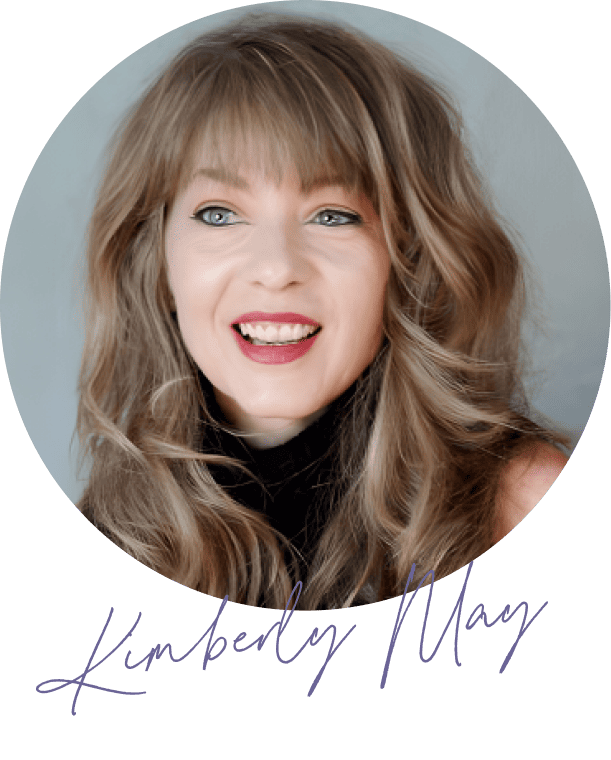
Kimberly May, LPC-S, LMFT
Kimberly May, LPC-S, LMFT, is a therapist and the founder of Substance Use Therapy in Austin, TX. Kimberly specializes in serving individuals, couples, and families whose lives have been impacted by substance use. She works from a harm reduction model to support people wherever they are on the continuum of use.
Kimberly has worked in harm reduction and community mental health programs since 2009. Her passion is empowering people to make changes on their terms and works to foster this through compassion, pragmatism, and collaboration.
In addition to her clinical work, Kimberly has provided training to clinicians, physicians, paraprofessionals, and law enforcement, all with the goal of enhancing our capacity to do our most important work-helping people be well.
Hear What Folks Who Have Learned From Kim's Have To Say…
“Kim is a true thought leader in her field.”
“[Kim’s] alternative approach to abstinence and the 12-Step Program provided our group with additional options to best serve our focal population. In my opinion, this alternative approach will facilitate and maximize overall safety…
[Her] presentation style was authentic, engaging, and encouraging and she appropriately integrated humor in a meaningful way to increase learning by participants. I highly recommend [her] approach to harm reduction with alcohol and her presentation would be a useful tool for other organizations to address issues of alcohol misuse and abuse.”
– Dr. Mirenda Farrell
Lead Designated Psychologist
Contractor for the Medical Program
Office of Secure Transportation
National Nuclear Security Administration
Department of Energy
“Her harm reduction ethos is refreshing in an [in the] substance use treatment field.”
“Her harm reduction ethos is refreshing in an often narrowly focused substance use treatment field. Many who espouse “harm reduction” still ultimately default to some degree of absolutism around substance use. Kim truly travels a path of self-direction and boundary testing with her clients. She is a real-time and real-world motivational interviewer who always allows the client to reach their own conclusions and supports them on that journey.”
– David Walsh, MSN, RN, PMHNP-BC, Psychiatric nurse practitioner specializing in substance use disorder
[S]he expertly weaves in pertinent data, therapeutic techniques, humor, and compassion for the clients we serve.”
“Kim’s work in harm reduction and specifically what she has accomplished in this [course] is truly exciting for me as a practitioner. Kim’s presentations are consistently engaging, unique, thoughtful, and educational. Her presentations will aid you in understanding harm reduction and substance use therapy in general from multiple angles and she expertly weaves in pertinent data, therapeutic techniques, humor, and compassion for the clients we serve.”
– Ben Johnson, LCSW
“Kim’s passion for her field shines through in every word she speaks.”
“Kim’s passion for her field shines through in every word she speaks. Her presentations are meticulously put together, displaying her thoughtfulness and dedication. Kim is an expert in her craft and it’s a joy to learn from her.”
– Sheila Maglaris, MA, LPC
Frequently asked
questions
Q: I already have training in substance use disorders. Why should I take this course?
If you already understand 1) why people would want to take drugs, 2) how different drugs work in the mind and body, 3) the benefits of harm reduction strategies alongside abstinence-only treatment, 4) the necessity of connection and compassion instead of judgment, and 5) how to implement harm reduction strategies for safer substance use, then you don’t need this course. But if you are missing any of these key components to holistic substance use support, please take this course so your clients can be safer in their lives.
Q: Isn't anything except abstinence just condoning and promoting drug use?
That had been the standard belief for years. While it may seem like not telling someone to stop is the same as condoning their use, offering the option of harm reduction strategies to clients can be a safer and more successful alternative than abstinence for people who can’t or don’t want to quit.
Q: I only have so much time and money for continuing education. This course seems interesting but I work with (trauma, anxiety, couples) so it doesn't sound like this course is relevant to my day to day work.
We believe that just about every therapist has clients who are using substances – or is impacted by someone who is. If you work with trauma survivors, the rate of substance use is estimated at 25-75%. For people with anxiety, the rate is about 20%. If you can be the therapist that your client isn’t embarrassed or afraid to talk with about substance use, this course could be one of the most important courses you take. Destigmatizing drug use, and having open compassionate conversations with your clients, is worth the time and money you’ll invest.
Q: You mean I can support clients who are using substances if I'm not a substance use specialist?
Absolutely. For decades, mental health and substance use have been artificially kept in different silos of care. The most effective therapists will have knowledge and skills for both so they can seamlessly provide support without having to refer their clients out to other therapists.
Q: I get that most drugs are dangerous and risky but some drugs - like mushrooms or ketamine therapy - are okay to use, right?
Kim May will break it all down in this course! There is a false dichotomy of “good” and “bad” drugs. Much of that dichotomy is based on how the public’s ideas about certain drugs were manipulated based on race, class, and politics. Learn about the real history of drugs in America and get an attitude adjustment about good/bad drugs.
Q: Is this course pre-recorded, or is it live where I can ask questions?
Each module is filled with Kims ‘s pre-recorded content for you to access at your convenience. You’ll have unlimited access to the modules.
Q: Can I get CEs for this course?
Yes. 5.5 limited CEs are available for this course. Full CE info can be found here.