

Table of Contents
- Introduction: Trauma-Informed Spaces Matter More Than Ever
- Step 1: Prioritize Physical and Psychological Safety
- Step 2: Establish Clear Boundaries and Transparency
- Step 3: Integrate Somatic and Nervous System Regulation Tools
- Step 4: Foster Cultural Humility and Inclusion
- Step 5: Cultivate Collaborative, Empowering Relationships
- Step 6: Embed Ongoing Education and Feedback
- Recent Research, News, and Resources (2025)
- Conclusion: Trauma-Informed Care Is a Journey, Not a Destination
Introduction: Trauma-Informed Spaces Matter More Than Ever
I’ve seen firsthand—both in my own learning and direct experience as a therapy client, and from the feedback from our community advanced clinicians—and I imagine you´ve experienced this as well for yourself and your clients, how the environment we create can make or break therapeutic progress. How to create a trauma-informed therapy environment is not just about décor or surface-level changes. It’s about cultivating safety, transparency, and empowerment at every touchpoint, so clients with trauma histories feel truly seen and supported.
In this guide, I’ll walk you step-by-step through the most current best practices, research, and resources for 2025. For those looking to go deeper, Linda Thai’s nervous system regulation therapy training is a standout resource free resource you can use right now, and test out for yourself. Linda is especially vocal about creating supportive, trauma-informed spaces for our clients, so this training is a perfect place to get more support.
Step 1: Prioritize Physical and Psychological Safety
Safety is the bedrock of all trauma-informed work (SAMHSA, 2024). Start by:
- Ensuring clear exits, uncluttered space, and adjustable lighting.
- Making seating arrangements collaborative (not confrontational).
- Respecting personal space and offering clients choice in where they sit.
- Using warm, neutral colors and minimizing loud noises or abrupt interruptions.
- Clearly communicating any building or session changes in advance.
Psychological safety means checking in regularly, honoring client pace, and validating all emotional responses.
Step 2: Establish Clear Boundaries and Transparency
Because clients with trauma histories are often hypervigilant to unpredictability, we need to make sure we´re deepening trust by:
- Outlining confidentiality, session structure, and limits of your role up front.
- Being transparent about documentation and client rights.
- Setting up clear policies for cancellations, communication, and emergencies.
- Welcoming questions and feedback about the therapeutic process.
Transparency is foundational to empowerment and helps reduce re-enactment of power dynamics.
Step 3: Integrate Somatic and Nervous System Regulation Tools
We´re very clear now that trauma is stored in the body as well as the mind (few have brought this to public awareness more than Bessel Van der Kolk). Advanced clinicians now routinely incorporate:
- Breathwork and grounding exercises at the start or end of sessions.
- Simple movement, stretching, or use of grounding objects in the room.
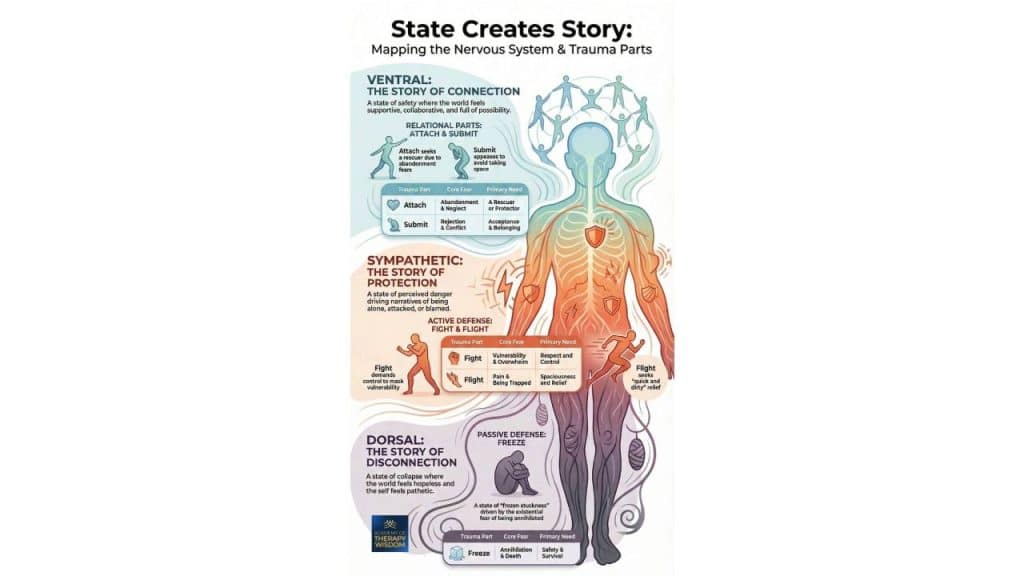
- Psychoeducation about the nervous system and how trauma impacts the body.
- Tools from Linda Thai’s nervous system regulation therapy, based in part by Linda´s direct collaboration with Van der Kolk, including polyvagal-informed skills and somatic resourcing.
- Optional use of music, soft textures, even plush stuffies (one of Linda Thai´s favorite tools) or weighted blankets with client consent.
These practices help clients regulate arousal and stay present, especially during difficult conversations.
Step 4: Foster Cultural Humility and Inclusion
In 2025, trauma-informed therapy means addressing not just individual but also systemic and cultural wounds (APA, 2025).
Create an inclusive environment by:
- Displaying inclusive literature and visible signs of welcome for diverse identities.
- Using forms and language that reflect a range of pronouns, family structures, and cultural backgrounds.
- Seeking regular training in anti-oppressive practice and cultural humility (National Child Traumatic Stress Network).
- Regularly consulting with colleagues from diverse backgrounds.
Step 5: Cultivate Collaborative, Empowering Relationships
We know that empowerment is a core principle of trauma-informed care (SAMHSA, 2024).
Foster empowerment by:
- Inviting client input on session goals, pacing, and interventions.
- Using collaborative language (“Would you like to try…?” “How does this feel for you?”).
- Encouraging clients to notice and share boundaries, needs, and preferences.
- Celebrating progress and resilience at every opportunity.
Step 6: Embed Ongoing Education and Feedback
Trauma-informed care is never static. Stay current by:
- Regularly reviewing new research and best practice guidelines.
- Attending advanced trainings such as Trauma-Informed Care Conference 2025 or Linda Thai’s live and on-demand nervous system regulation therapy.
- Inviting client feedback through surveys or check-ins.
- Consulting with peers and supervisors around challenging cases and cultural questions.
Recent Research, News, and Resources (2025)
- SAMHSA: Concept of Trauma and Trauma-Informed Approach (2024)
- Frontiers in Psychology: Somatic Interventions for PTSD (2024)
- National Child Traumatic Stress Network: Cultural Humility
- Trauma-Informed Care Conference 2025: February 19, 2025
- Mindfulness & Compassion Global Summit 2025: June 6–8, 2025
For more on integrating nervous system skills, see Therapy Wisdom’s counseling ce courses for a complete list of options, or jump right in to Linda Thai´s free introductory training here:

Join Linda Thai, LMSW, for a FREE webinar
Join Linda Thai, LMSW, for a FREE webinar
Bottom-Up Strategies for Trauma Stabilization: A Phase-Oriented Approach
During the webinar, Linda will show you:
A road map detailing a 3-phase, sequential (but non-linear!) process that starts with safety, stabilization, and coping skills.
The creative use of various treatment modalities and interventions.
When and how to address specific symptom sets with your modalities.
How to plan and navigate your professional development to maximize client outcomes.
Conclusion: Trauma-Informed Care Is a Journey, Not a Destination
As we take this moment today to reflect on what it means to truly create a trauma-informed therapy environment, I hope you see it not as a one-and-done goal to achieve, but as a living, evolving practice—one that requires courage, humility, and ongoing learning. By prioritizing safety, transparency, regulation, inclusion, empowerment, and education, you provide a healing context where even the most complex trauma can be addressed with compassion and skill.
I may sound like a broken record today, but if you’re ready to deepen your expertise in trauma-informed safety and support techniques for your clients right now, I think Linda Thai’s free nervous system regulation therapy training is an excellent place to start.
Together, we can build safer spaces for every client who walks through our doors and fulfill our shared mission of making the world a more regulated, safe, and peaceful place for all.
Warmly,
Heather