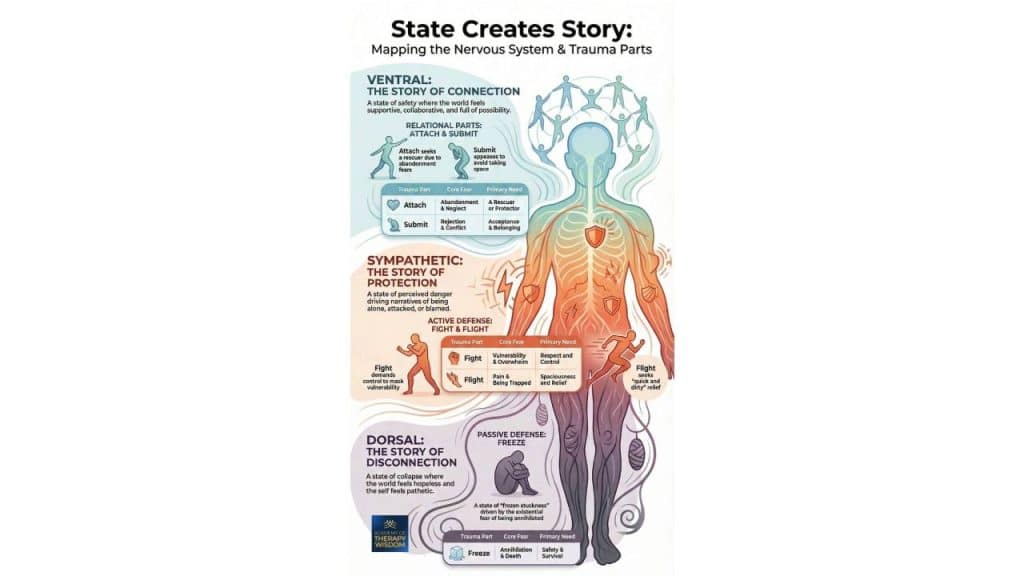


Ready to use the latest research and techniques for applying Experiential Therapy Techniques: A Neurobiological Appraoch to Self-Compassion Therapy ? Not sure how to bridge neuroscience and psychology in a meaningful way for your psychotherapy clients? You are not alone. Therapists worldwide are seeking new ways to understand emerging brain science and how to use neurobiology to therapy sessions.
How to use neurobiology in psychology private practice?
- To employ neurobiology with psychotherapy clients successfully, you must establish an alliance with their brains.
- Speak in a way that your psychotherapy client and their nervous system can understand you. Make it soothing, accessible, and applicable to their daily life.
- Consistently engage your client’s neuroplasticity for long-lasting change using proven exercises they can do at home between therapy sessions.
Learn Neurobiology for Therapists, Get CE’s, Help Your Clients Get Better Results
Jules Taylor Shore’s new online CE’s for therapists course, Experiential Therapy Techniques: A Neurobiological Appraoch to Self-Compassion Therapy, teaches you how to form a holistic alliance with your client’s brain, speak in a way that their nervous system can understand, and consistently engage their neuroplasticity for long-lasting change.
Neuroscience and Psychotherapy
As a psychotherapist, when you have a better understanding of how the brain functions, you will know which techniques to use first and how to help your clients break old emotional habits that impede their growth. Neuroscience/neurobiology is an important part of psychotherapy work, and will grow in importance and depth in years to come.
Jules Shore’s neurobiology in psychology course is a valuable resource to any psychotherapist looking to deepen their understanding of the human brain and apply that knowledge to help their clients. Click the link below to learn more, read about the different modules and bonuses, and sign up for this on-demand program that will change your psychotherapy practice for the better.
Neurobiology and Boundary Work
The brain is actively processing boundaries on many different levels simultaneously. Our sense of safety comes first from our autonomic nervous system, which scans our body over 200 times a minute for signs of physical danger. Equally important are our sense of psychological safety in relationships, our sense of being OK with ourselves, and our sense of living our lives in integrity with our values.
These psychological boundaries provide us with an important layer of safety and a powerful sense of self-awareness that helps guide our lives in positive directions. They also provide us with a sense of trust in the world around us and help us understand how our relationships can shape our own sense of self-worth. These skills are important in the healing journey we support as therapists.

Join Juliane Taylor Shore for a FREE 90-minute webinar
Experiential Therapy Techniques: A Neurobiological Approach to Self-Compassion Therapy
During the webinar, you will learn:
A practice to increase self-compassion towards yourself as you do your work so you can both embody and benefit from self-acceptance.
The neurobiological difference between empathy and compassion so you keep use them judiciously in practice.
How to set up experiential practices so clients can discover and experience self-compassion.
Juliane Taylor Shore, LPC, LMFT, SEP (AKA Jules) is a therapist and trainer of therapists in Austin, Texas. She specializes in applying Interpersonal Neurobiology to the healing of trauma and the creation of relational health with clients she sees. She uses her knowledge of the brain and the implicit mind to go decisively to the root of the issue with gentleness and depth. Jules has been a specialist in trauma recovery and in couples counseling for 12 years, and loves to work experientially because that is how to meet and invite shifts in the implicit mind. She wants to help people find the love, connection, and grace they have always longed for, both in themselves and with each other.