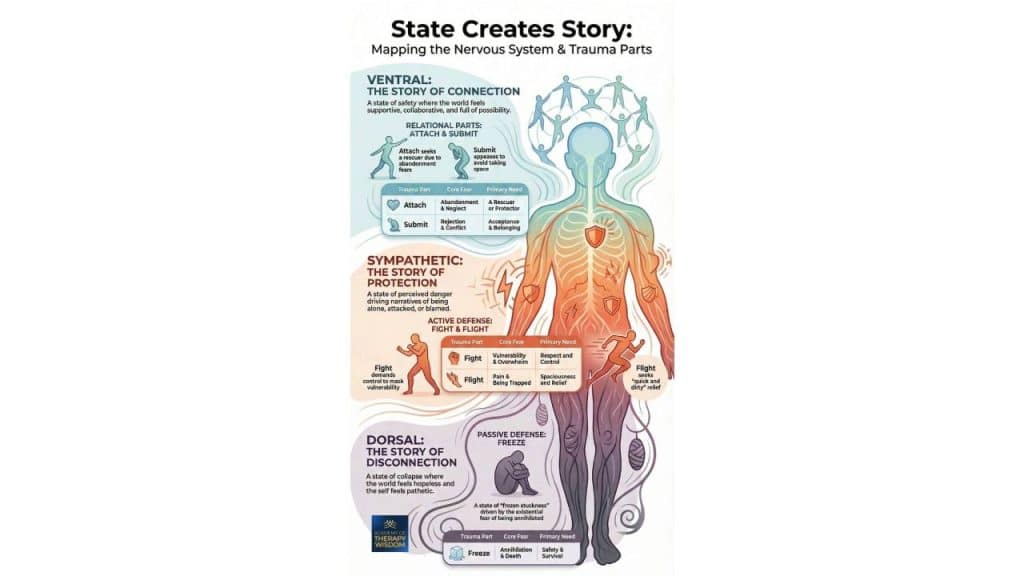


Trauma is a complex and pervasive issue that affects individuals in profound ways. As a therapist, you have likely encountered clients who have experienced trauma and are seeking help to heal. In your quest to expand your therapeutic toolkit, you may have come across the work of Dr. Frank Anderson, a renowned psychiatrist who specializes in trauma healing therapy techniques. You can learn in-depth in our Frank Anderson Spiritual Therapy Techniques: Intuition in Clinical Practice training that deals specifically with the spiritual and energetic aspects of trauma healing.
Frank Anderson’s Approach to Trauma Healing
Dr. Anderson’s innovative approach focuses on the concept of self energy as a powerful tool for healing, particularly in cases of spiritual trauma. In this article, we will delve into Dr. Anderson’s insights on self energy and how it can be accessed and utilized in therapy to promote healing and transformation.
Link to Course: Spiritual Therapy Techniques: Intuition in Clinical Practice
Understanding Self Energy in Trauma Healing Therapy
Self energy is a central concept in Frank Anderson’s trauma healing approach. He describes it as an inherent wisdom and healing capacity present in every individual, regardless of their traumatic experiences. According to Dr. Anderson, trauma blocks love and parts of the self can block self energy, leading to a disconnection from one’s authentic self. The goal of trauma healing therapy is to help individuals access and harness their self energy, which can lead to profound healing and transformation.
(Pull Quote) “Unlock the power within. Accessing self energy takes practice, but it’s worth it.” – Dr. Frank Anderson
Accessing Self Energy for Trauma Healing: Techniques and Practices
Frank emphasizes that accessing self energy is a skill that can be developed through practice. He acknowledges that different people may have different ways of accessing self energy, and it is important for therapists to be attuned to their own and their clients’ unique preferences. Some techniques and practices that Dr. Anderson recommends for accessing self energy include:
Movement: Dr. Anderson finds that movement, such as hiking or running, helps him access self energy. He believes that when the body moves, it can lead to a more integrated state, facilitating the flow of self energy.
Meditation: Dr. Anderson acknowledges that some individuals may prefer quiet and stillness for accessing self energy. Meditation, either in silence or through practices such as yoga, can be a powerful tool for quieting the mind and accessing the wisdom and healing capacity of self energy.
Nature: Spending time in nature can be a powerful way to access self energy, as it allows individuals to connect with the natural world and tap into their own inner resources, according to Dr. Anderson, who describes himself as an earth-centered person.
Empathy and Compassion: Dr. Anderson emphasizes the importance of cultivating empathy and compassion, both towards oneself and towards clients, as a means of accessing self energy. He believes that when therapists connect with their own self energy and extend empathy and compassion to clients, it creates a supportive and healing environment for trauma survivors.
Frank sat down with Janina Fisher recently to talk about these important differences. Learn more and visit Engaging Empathy and Compassion to Connect to Our-“selves” to purchase this and other interviews as part of our Therapy Wisdom Circle community.
Conclusion:
Incorporating Dr. Frank Anderson’s insights on self energy into your trauma healing therapy practice can be a valuable addition to your toolkit. By helping clients access and harness their inherent self energy, you can support them on their journey towards healing and wholeness.
JOIN a FREE WEBINAR TRAINING with Frank Anderson
Spiritual Therapy Techniques: Intuition in Clinical Practice
In this training, We will explore:
How to access your intuition in the therapy room so you can use it
How to differentiate what’s coming from your mind’s eye from what you are receiving from ‘beyond’
How to talk about Spirituality so your clients don’t feel like you’re imposing your personal beliefs on them.
How to incorporate your intuitive sense with non-spiritual clients