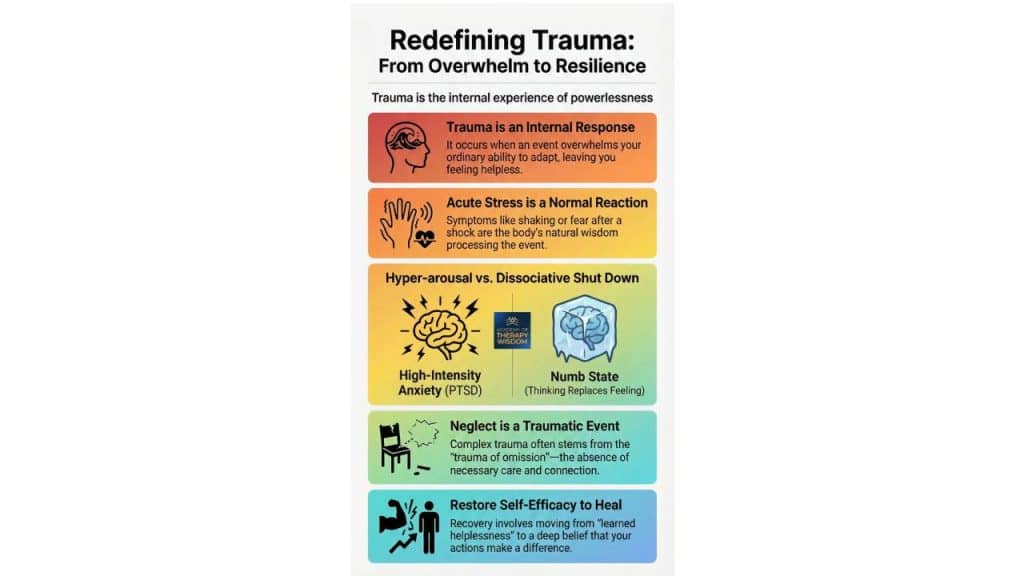


We know that childhood trauma can have profound and lasting effects on an individual’s life. In this article, we’ll explore the relationship between surviving trauma in early life and developing addictive behaviors later on. We hope this brief overview, as well as our various online courses for working with trauma, and with trauma and addiction, specifically, support you in treating trauma and addiction in your clinical practice.
Childhood Trauma and Drug Addiction: Uncovering the Connection
Research shows that childhood trauma leads to addiction in adulthood for a high percentage of trauma survivors. In this blog post, we delve into the intricate relationship between childhood trauma and drug addiction, shedding light on the underlying psychological mechanisms. Let’s explore how early life experiences can shape a person’s vulnerability to addiction.
According to the U.S. National Institutes of health…
…evidence has shown that the correlation between trauma and substance abuse is particularly strong for adolescents with PTSD. Up to 59% of young people with PTSD subsequently develop substance abuse problems.11,21–23 This seems to be an especially strong relationship in girls.24 Others found that alcohol and drug consumption was associated with greater PTSD symptoms 1 year after a disaster,25 Additionally, women who used drugs were found to have significantly higher mean scores for total PTSD symptom severity and were more likely to meet the criteria for a diagnosis of PTSD compared to nonusers.26
Early traumatic experience may increase risk of substance use disorders (SUDs) because of attempts to self-medicate or to dampen mood symptoms associated with a dysregulated biological stress response. On the other hand, early adolescent onset of substance use or abuse may further disrupt the biological stress response by increasing plasma cortisol levels, thus additionally contributing to risk for PTSD and comorbid depressive symptoms.
The Role of Parents, The Impact of Caregivers
Attachment disorders, childhood trauma, and drug addiction often share a common starting point: dysfunctional caregiving. When caregivers fail to provide adequate emotional support or, worse, actively dysregulate a child’s emotions, the child is left to their own devices to cope with stress and emotional turmoil.
Survival Strategies
In infancy and early childhood, disconnection and dissociation become coping mechanisms. As children grow, they may turn to “self-soothing” behaviors like overeating or excessive masturbation as ways to manage their distress. In adolescence, access to substances and societal pressures introduce more dangerous alternatives like substance abuse and eating disorders.
Compulsivity and Trauma
Addictive and self-destructive behaviors, including drug addiction, are common survival strategies employed by trauma victims. These behaviors are a way of self-soothing, numbing overwhelming emotions, and combating feelings of helplessness and loneliness.
An Integrated Trauma and Addictions Treatment Model
Understanding that addictive disorders initially serve as a survival strategy in the absence of safety and healthy coping mechanisms is crucial. These behaviors aim to regulate autonomic arousal and overwhelming emotions, albeit temporarily. However, the high risk lies in the fact that compulsive behavior requires continual escalation, eventually making addiction more dangerous than the symptoms it initially aimed to alleviate.
The Importance of Holistic Treatment
In many cases, the best approach involves combining several therapies to address the complex interplay between trauma and addiction. Additionally, support networks, lifestyle changes, and coping strategies play pivotal roles in long-term recovery.
By tailoring treatment to individual needs and considering the root causes of addiction, we can provide more effective support to those seeking to overcome the cycle of trauma and substance abuse.
Specific proven, effective treatment models for trauma and addiction disorders include Trauma-Informed Stabilization Treatment (TIST), Cognitive-Behavioral Therapy (CBT), Dialectical Behavioral Therapy (DBT), Eye Movement Desensitization and Reprocessing (EMDR), and Group Therapy which offers a sense of community and support.
Conclusion
In conclusion, the connection between childhood trauma and addiction is profound and multifaceted. By recognizing the survival strategies that individuals develop in response to early-life trauma, we can better understand the root causes of addiction. Tailoring therapy to individual needs and addressing the underlying trauma is key to effective recovery.
Take the next step towards deepening your skill in helping your psychotherapy clients to overcome addiction and heal childhood trauma with this free therapy training with Janina Fisher, Ph.D., founder of the trailblazing trauma therapy modality TIST (trauma-informed stabilization treatment) here: Trauma and Addiction Free Therapy Training with Janina Fisher