
Being Seen
A Therapist's Path for Working with the Racial Trauma of Invisibility and Marginalization
with Janina Fisher Ph.D., Debra Chatman-Finley, LPC
and Gliceria Pérez, LCSW
PLUS, Receive
A Therapist's Path for Exploring Implicit Bias and Racial Trauma
(Over 14 hours of Professional Training)


Dear Colleagues and Friends,
Last year, we invited our global professional community into a deep conversation and training on the effects of implicit bias and microagressions in therapy sessions. The outcome was clear: when you uncover your own relationship with privilege and marginalization, your increased awareness and in-depth understanding helps you better provide more effective treatment for your clients.
As a continuation of our Implicit Bias course offered last fall, in Being Seen you will take further steps into the exploration of what it means to be privileged, and the importance of doing self-of-the-therapist work. By committing and challenging yourself to doing this work, you are lessening the likelihood of your BIPOC (Black Indigenous, People of Color) clients experiencing microaggressions and racial trauma in the therapy room.
This unique course goes beyond just theoretical understanding. You will be addressing these major social issues through the lens of trauma healing and your work as a therapist.
Whether you work with predominantly white clients or non-white, "people of the global majority," (as Dr. Kamilah Majied put it in our recent Summit), all of us are privileged and marginalized according to the social context around us. This context can heal and it can traumatize--we are never working in a vacuum.
Here are the major topics we will cover in four two-hour recorded webinars together:
- Developing a Deeper Understanding of Microaggression
- Visibility vs. Invisibility
- Racism, Culture, and Dissociation
- In Session with Real Therapists, Discussion and Resources
This course provides a safe space to learn. All experiences are welcomed, especially those where mistakes were made. We will share our own imperfect stories and encourage you to do the same.
We look forward to learning and sharing with each other in this journey of becoming more enlightened therapists.
Academy of Therapy Wisdom and
Janina Fisher, Ph. D., Debra Chatman-Finley, LPC, and Gliceria Pérez, LCSW
P.S. When you sign up for this course, we are also including instant access to our entire previous course, A Therapist's Path for Exploring Implicit Bias and Racial Trauma, over 6 hours of foundational training.
After this course, you'll be adept at:

FIVE Things Therapists Believe That Can Harm Clients of Color…

Talking about race makes me a "bad" person.
This isn't about being racist, good, or bad. These binary assumptions minimize and/or ignore the client's racial experiences but rather focus on how the therapist will be perceived.

If I commit a microaggression the client will perceive me as being racist.
Anyone can commit a microaggression as they are generally unintentional but increased awareness and acknowledgement can aid in the repair of a rupture may occur in the relationship.

I don't have implicit bias because I feel unconditional positive regard for everyone.
Everyone has implicit biases. When we are aware and acknowledge those biases, we can better address them and be more helpful to ALL our clients.

The white experience is universal.
The idea that the experience of the dominant culture is universal is simply not true. People of color and marginalized groups can have very different experiences than those of the dominant culture whose race, sexual orientation, social class or ethnicity affords them inherent advantages.

If I don't talk about issues of race, the client will know that I'm not prejudiced.
We need to acknowledge and discuss race so that clients feel encouraged to share their racial experiences allowing them to establish the trust necessary for a strong therapeutic relationship.
[The presenters] shared their expertise very clearly and supplement with exceptional videos and useful slides. They really shared their own personal experience in a generous way that really added to the course. I feel that I learned so much about racism, myself, and in therapy."
-Wendy B
Here's Everything That's Included...

1) Four 2-Hour Recorded Sessions
You'll get to watch sessions held in a meeting format where participants learned through direct teaching and group discussion.
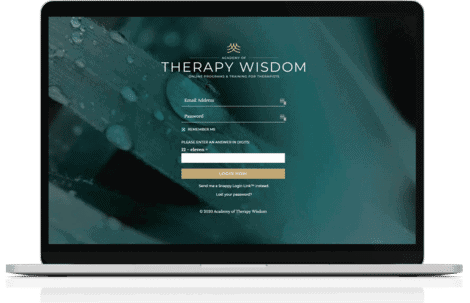
2) Academy of Therapy Wisdom Exclusive Membership Portal
Conveniently access all your course material in one place.

3) Exclusive Being Seen Takehomes
Downloadable videos, audio and transcripts that you can save to your library of resources.
PLUS:
Get instant access to the full 6-hour course, A Therapist's Path for Exploring Implicit Bias and Racial Trauma Including Special Bonuses
($347 value)
Module 1: Understanding Implicit and Explicit Bias
Module 2: Microaggression in the Clinical Setting
Module 3: How the Self of the Therapist Can Create a Healing Space for the Client of Color
And with Guest Experts:
An Exclusive Interview with
Dr. Nathalie Edmond
Mindful and Multicultural Counseling
Dr. Nathalie Edmond is a licensed clinical psychologist and registered yoga teacher. She was director of a women's trauma program for several years before starting her own group practice in New Jersey that centers on those individuals that tend to be oppressed and marginalized. She is an anti-racism consultant and also teaches trauma sensitive yoga. She infuses mindfulness into her anti-racism workshops to encourage an embodied experience of dialogue and healing.


The importance of the topic required strong material and presentation. Both hit the mark. The presenters were especially effective. They have a high level of expertise and their delivery and discussion were outstanding. The interaction between them and in response to questions was extremely helpful and added a lot of insight."
- ATW Student
Here's What we'll Learn together in
BEING SEEN

Session I
Developing a Deeper Understanding of Microaggression
We can't truly understand microaggression without a deeper understanding of conscious and unconscious privilege. No therapist of any color or class or sexual identity would wish to cause hurt to a client, yet we can easily commit microaggressions if we are unaware of our impact on BIPOC clients.
In this session, we will discuss:
Session II
Visibility vs. Invisibility
What does it mean to be overlooked or ignored in some contexts and negatively visible in others? Threat occurs not just when individuals are attacked but also when they are not seen and protected. The consequences of invisibility and visibility on BIPOC clients may appear as symptoms rather than normal responses to the environment.
In this session, we will discuss:


Session III
Racism, Culture, and Dissociation
Dissociation is the brain's circuit breaker system and much more common than usually acknowledged. When it is not safe to show one's emotions or necessary to accommodate automatically to the social environment, dissociation is a survival skill. But the cost of dissociating can be high. BIPOC individuals are often misinterpreted as resistant or angry when they have automatically dissociated in response to feeling threatened.
In this session, we will discuss:
Session IV
In Session with Real Therapists, Discussion and Resources
As white therapists, being able to recognize and tolerate our discomfort with racial issues is as crucial as tolerating a client's suicidality or anger or hopelessness. BIPOC therapists often have decades of experience tolerating implicit bias and microaggressions, and they need acknowledgment of the impact of bias in the mental health system. Only in this past year has the therapy world begun to address these important and difficult issues, and this session will allow us all to have a conversation among ourselves.
In this session, we will discuss:


Our courses are
At the Intersection of Psychotherapy, spirituality, and social change
WE BELIEVE LEARNING SHOULD CHALLENGE YOU AND CHANGE YOU.
I enjoyed the transparency, knowledge and professionalism of both the professors (Debra and Gliceria). They were delightfully and present in their hearts with an innate ability to listen and simultaneously be vulnerable with their students. Exploring racism and classism within the classroom requires 'a sword in one hand and a flower in the other,' which they did this exceptionally well.
- NYU Student
BEING SEEN
Program Summary

Plus
Module 1: Understanding Implicit and Explicit Bias
Module 2: Microaggression in the Clinical Setting
Module 3: How the Self of the Therapist Can Create a Healing Space for the Client of Color
And Interviews with Guest Experts:

If you are a BIPOC helping professional,
please accept our discounted enrollment price for this course by clicking here.
We are glad to have you with us!
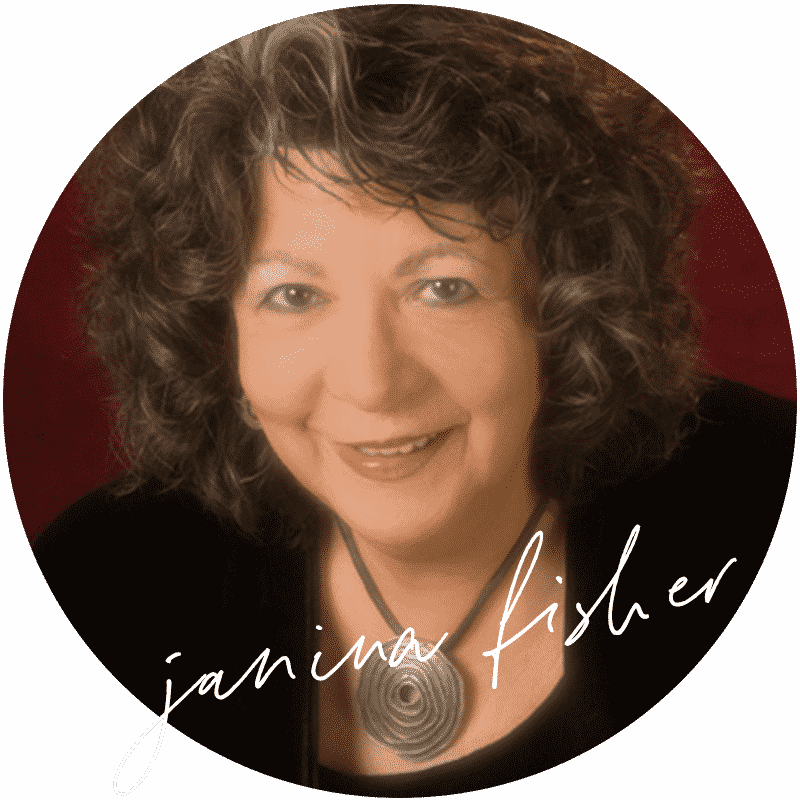
Janina Fisher, PhD
Janina Fisher, Ph.D. is the Assistant Educational Director of the Sensorimotor Psychotherapy Institute, a former instructor at Harvard Medical School, and an international expert on the treatment of trauma and dissociation. She is the author of Healing the Fragmented Selves of Trauma Survivors: Overcoming Self-Alienation (2017) and Transforming the Living Legacy of Trauma: a Workbook for Survivors and Therapists (2021). Best known for her work on integrating newer neurobiologically-informed interventions into traditional psychotherapy approaches, she is the co-author with Pat Ogden of Sensorimotor Psychotherapy: Interventions for Attachment and Trauma (2015).

Debra Chatman-Finley, LPC, NCC
Debra Chatman- Finley, is a Licensed Professional Counselor, and a National Board-Certified Counselor in private practice in Montclair, NJ with over 20 years clinical experience. She is an Adjunct Professor at New York University, teaching Racial and Social Micro-Aggressions in Clinical Practice. She has also facilitated numerous workshops such as Micro-Aggressions: Making the Invisible Visible, and Unmasking Race With Interracial Couples. Debra has a Bachelor's degree in Psychology and a Master's degree in Counseling Psychology. She is a graduate and former Associate Faculty of the Multicultural Family Institute. Debra enhanced her expertise in the treatment of the traumatic effects of racial trauma on people of color through her training at the Trauma Center at the Justice Resource Institute in Boston, MA where she received her Certification in Traumatic Stress.
Gliceria Pérez, LCSW
Gliceria Pérez, LCSW, is a bilingual Licensed Clinical Social Worker with a Master of Social Work degree from Fordham University Graduate School of Social Service. She has years of experience in the fields of mental health, trauma, domestic violence, and child abuse/neglect. For the past 14 years, Ms. Pérez has provided short-term therapy to traumatized immigrant children/adolescents and their families. Ms. Pérez is trained in Eye Movement Desensitization Reprocessing (EMDR) and completed the Certificate Program in Traumatic Stress Studies at the Trauma Center at JRI as well as the Multicultural Family Institute. Since 2011, she has been an Adjunct Faculty at New York University Silver School of Social Work. Ms. Pérez conducts workshops/presentations on parenting, trauma, microaggressions and immigration. She maintains a private practice in New Jersey.


100% Risk-Free Money-Back Guarantee
We are confident you will really enjoy and benefit from this online training. However, if you are not 100% satisfied with your purchase, please contact our support team at support@therapywisdom.comwithin 7 days of purchase and we will give you a full refund, no questions asked.
What Students Say:
The presenters were especially effective. They have a high level of expertise and their delivery and discussion was outstanding. The interaction between them and in response to questions was extremely helpful and added a lot of insight.
"I really appreciate the interaction among you three experts. Multiple voices provide different perspectives and anecdotes. This deepens learning and helps broaden personal perspectives. Thank you so much."
-Rosanne D.
"This course has been so engaging and helpful to me as a registered psychotherapist, supervisor and Somatic Experiencing Practitioner here in the UK.
A subject that can be hard to explore came to feel accessible. This has left me conscious of having alot more to learn around implicit bias and racial trauma, yet at the same time, empowered and encouraged to find my onward path through.
The warmth, engagement, experience, honesty and skill of the facilitators brought this subject to life for me. It felt welcoming because the facilitators modelled respectful communication between the three of them; this set me at my ease. I also noticed how keen I was for the next module, looking forward to each episode.
Thank you to the presenters and all you have shared and all your hard work. And to The Academy of Therapy Wisdom for the ease of access to the course and the encouragement along the way. I loved receiving the acknowledgement of completion each week in my inbox! So encouraging and I felt seen! So glad that scholarships were offered and a percentage of the fees given to important groups. It has felt a privilege to be a part of this training."
-Madhu A.
"Having a space to use the language I knew at the time to learn, expand my language and therapy framework, and push my understanding of my role in anti-racism work as a therapist.
I also want to thank each of the presenters for being so vulnerable and open about personal emotional injuries and experiences. I see your emotional labor, and hold your experiences with compassion for each of you.
Thank you for including Trans women of color! They are at an important intersection that is often invisible in spaces for BIPOC, as well as LGBT+."
-Yvon
"The importance of the topic required strong material and presentation. Both hit the mark. The presenters were especially effective. They have a high level of expertise and their delivery and discussion was outstanding. The interaction between them and in response to questions was extremely helpful and added a lot of insight."
-Anonymous ATW Student
"Hearing from experienced and genuine clinicians of color who could both share aspects of their personal journeys and describe how trauma can be addressed in their clients - the videos were really remarkable in facilitating stimulating discussion!"
-Anonymous ATW Student
This course FINALLY taught me how to actually, in real-life in the real-world talk to clients about race and class. This course challenged me to have more real conversations about race and class. This course is what I have been craving ... I wanted a course where we really talked about race and class, in a real manner. I am so tired of talking about it in a theoretical manner. I'm tired of race and class being glossed over or ignored. I'm tired of wondering how to have real conversations with real people about race and class, but finally this class has satiated a portion of my craving. Both professors were amazing and I really appreciated their willingness to use examples where they made mistakes to illustrate how we can all make mistakes and how we can learn from them.
- NYU Student
BEING SEEN
Program Summary
Plus
Module 1: Understanding Implicit and Explicit Bias
Module 2: Microaggression in the Clinical Setting
Module 3: How the Self of the Therapist Can Create a Healing Space for the Client of Color
And Interviews with Guest Experts:
If you are a BIPOC helping professional,
please accept our discounted enrollment price for this course by clicking here.
We are glad to have you with us!