
Studying Trauma, Learning the TIST Psychotherapy Modality
Are you passionate about helping individuals heal from trauma and build resilience? Becoming a trauma therapist might be the fulfilling career path you’ve been searching for. In this guide, we’ll explore how to become a trauma therapist and delve into the world of trauma-informed care. With the ever-evolving field of mental health, it’s essential to equip yourself with the latest techniques and strategies, such as Trauma-Informed Stabilization Treatement (TIST) pioneered by renowned trauma-informed care training expert Dr. Janina Fisher.
Who is Janina Fisher?
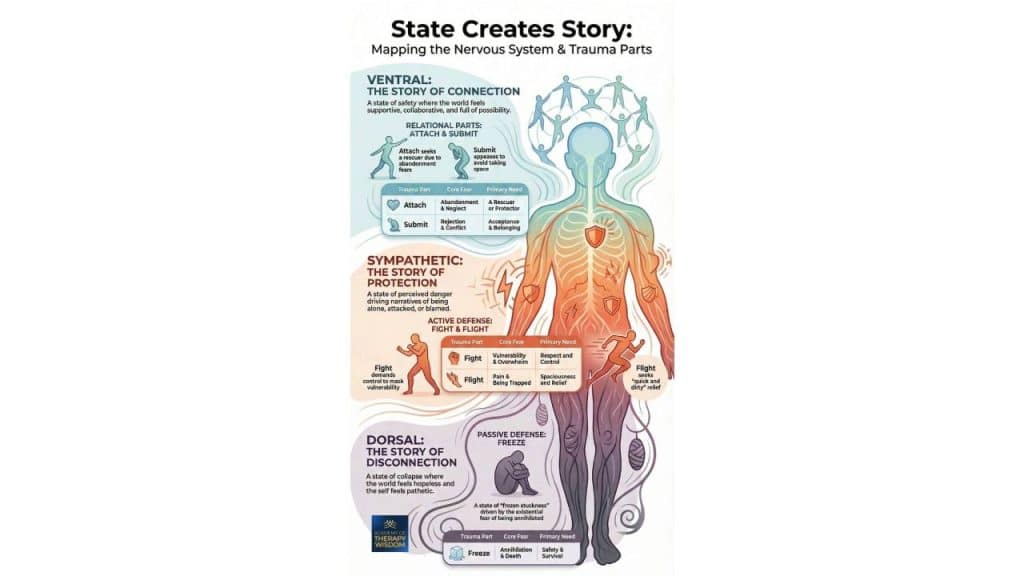
Before we dive into the intricacies of trauma training, let’s get to know Janina Fisher, Ph.D., a trailblazer in the field of trauma therapy. Dr. Fisher is a respected authority in trauma treatment and has dedicated her career to understanding and healing trauma’s deep wounds. Her innovative approach, Trauma-informed Stabilization Treatment (TIST), incorporates somatic therapy, neuroscience, and psychotherapy to provide comprehensive healing solutions for trauma survivors.
Why do Therapists Need Specialized Training in Trauma-Informed Care?
As a therapist, your goal is to create a safe and supportive environment for your clients to process their experiences. This becomes even more crucial when dealing with trauma survivors. The impact of unresolved trauma and addiction can be profound, affecting individuals’ mental, emotional, and physical well-being.
By undergoing trauma therapy training, you gain the knowledge and skills needed to recognize trauma’s signs and symptoms. Trauma-informed care is about understanding the intricate ways trauma shapes behavior, emotions, and relationships. You’ll learn how to tailor your approach to each client’s unique trauma experience, fostering a path to healing.
How to Become a Trauma Therapist in 2023
You path to becoming a trauma therapist involves a multifaceted journey of education and self-discovery. Trauma can stem from various experiences, such as abuse, neglect, natural disasters, and more. Each survivor’s story is unique, underscoring the importance of diverse trauma therapy techniques. The key is to equip yourself with the right skills, techniques, and understanding to offer the best care possible.
The best trauma training for therapists encompasses more than just theoretical knowledge; it also emphasizes cultural humility. Acknowledging and understanding your client’s cultural background is essential in providing effective trauma therapy. By recognizing the impact of systemic trauma, like racism and marginalization, you can create an inclusive and healing therapeutic environment.
Trauma-Informed Therapy Courses: Considering the Impact on the Body
Trauma’s effects extend beyond the mind, impacting the body’s physical health. As a trauma-informed therapist, you’ll delve into the physiological manifestations of trauma. Recognizing physical symptoms and understanding the body’s role in healing is a hallmark of comprehensive trauma therapy.
Somatic trauma therapy is a burgeoning field that offers direct and efficient pathways to healing. By integrating the body into your therapeutic approach, you empower your clients to access deeper levels of healing and transformation.
How Trauma and Impacts on Relationships
Trauma can deeply influence how individuals form and maintain relationships. As a trauma therapist, understanding the role of attachment and relationships is essential. Through specialized courses, you’ll learn how to navigate the complexities of BIPOC couples, LGBTQIA+ relationships, and privilege-related systemic trauma. Armed with this knowledge, you’ll guide your clients toward developing healthy, resilient connections.
Why you should prioritize self-care for trauma therapists…
- Working with trauma survivors requires immense emotional strength and resilience.
- The emotional toll of trauma work can lead to burnout without proper self-care practices.
- Acknowledging and addressing your emotional well-being is vital for sustaining a successful and fulfilling career as a trauma therapist.
Our online trauma therapy courses emphasize self-care techniques and strategies. By integrating these practices into your daily routine, you’ll not only provide better care for your clients but also ensure your long-term well-being in this demanding field.
Unlocking Your Potential as a Trauma-Informed Therapist
In summary, becoming a trauma therapist demands dedication and specialized training. Janina Fisher’s TIST modality offers an innovative approach that combines neuroscience, somatic therapy, and psychotherapy to create a holistic healing experience for trauma survivors. With a deep understanding of trauma’s impact on mental health, relationships, and the body, you’ll be equipped to make a lasting positive impact in your clients’ lives.
Begin Your Journey in Trauma Therapy
Are you ready to embark on a transformative journey as a trauma therapist? Our trauma therapy training program at the Academy of Therapy Wisdom offers a comprehensive curriculum, led by experts like Janina Fisher. Gain the skills, knowledge, and confidence needed to provide trauma-informed care that truly makes a difference. Learn more about our Trauma Therapy Training and start your journey toward becoming a certified trauma therapist today. Join us in shaping a world where healing and resilience thrive.

Join Trauma Informed Stabilization Treatment Webinar by Dr. Janina Fisher
Helping Trauma Survivors Get Unstuck: A Fragmented Selves Approach in Therapy
In This NEW Janina Fisher Webinar you will learn:
How to understand perplexing clients using the TIST perspective so you can see the fragmented selves at work.
How to organize a treatment plan using the TIST model so you have an effective approach to care.
How TIST helps shift even the most stuck clients so they can finally make progress.
How to relieve your frustration and prevent burnout with more effective trauma treatment.
on April 4, 9-10am PDT / noon-1pm EDT / 5-6pm BST