
Table of Contents
- Introduction: Why Attachment Theory Is Essential in Trauma Recovery
- FAQ: Attachment Theory and Trauma Recovery
- What is attachment theory, and why does it matter for trauma recovery?
- How do early attachment experiences influence adult trauma responses?
- What are the main attachment styles seen in trauma survivors?
- How can therapists assess attachment issues in trauma clients?
- What are the best interventions for treating attachment trauma?
- Is it possible to foster secure attachment in adulthood?
- What are the latest resources and trainings for attachment-focused trauma therapy?
- Conclusion: Attachment Work as a Cornerstone of Trauma Healing
Introduction: Why Attachment Theory Is Essential in Trauma Recovery
I’ve seen time and again how a deep understanding of attachment theory and trauma can be a game-changer for psychotherapists supporting clients in trauma recovery. In 2025, therapists are integrating attachment-informed interventions with somatic and relational work like never before. This FAQ addresses the most advanced, practice-driven questions clinicians are asking—so you can help clients heal at the root.
If you are ready to jump right in to deepening your skills, Deirdre Fay’s treating attachment trauma training (free) is a resource I highly recommend. So, as a quick primer before we dive in, here´s a taste of Deirdre´s wisdom and insight on attachment and trauma work.
FAQ: Attachment Theory and Trauma Recovery
What is attachment theory, and why does it matter for trauma recovery?
Attachment theory explains how early relationships with caregivers form the blueprint for later emotional regulation, relational trust, and coping with stress. Secure attachments support resilience, while insecure or disorganized attachments can leave individuals more vulnerable to trauma’s impact (Bowlby, 1988).
How do early attachment experiences influence adult trauma responses?
Early attachment disruptions can impair the nervous system’s development, increase sensitivity to threat, and shape lifelong patterns of emotional regulation (Frontiers in Psychology, 2024). Adults with insecure or disorganized attachment histories often experience heightened dissociation, relationship difficulties, and chronic shame after trauma.
What are the main attachment styles seen in trauma survivors?
- Secure: Comfortable with closeness and trust; more resilient to stress.
- Anxious: Hypervigilant, fears abandonment, may show emotional flooding.
- Avoidant: Suppresses emotions, avoids closeness, may appear “numb.”
- Disorganized: Fluctuates between approach and avoidance, often linked with complex trauma histories.
How can therapists quickly assess attachment issues in trauma clients?
Use a blend of clinical interview, validated self-report tools (like the Adult Attachment Interview or Experiences in Close Relationships Scale), and careful observation of relational patterns in session. Ask about early caregiving, separation, and how clients respond to support or conflict in relationships.
What are the best interventions for treating attachment trauma?
- Relational Repair: Consistent, attuned therapeutic presence is foundational.
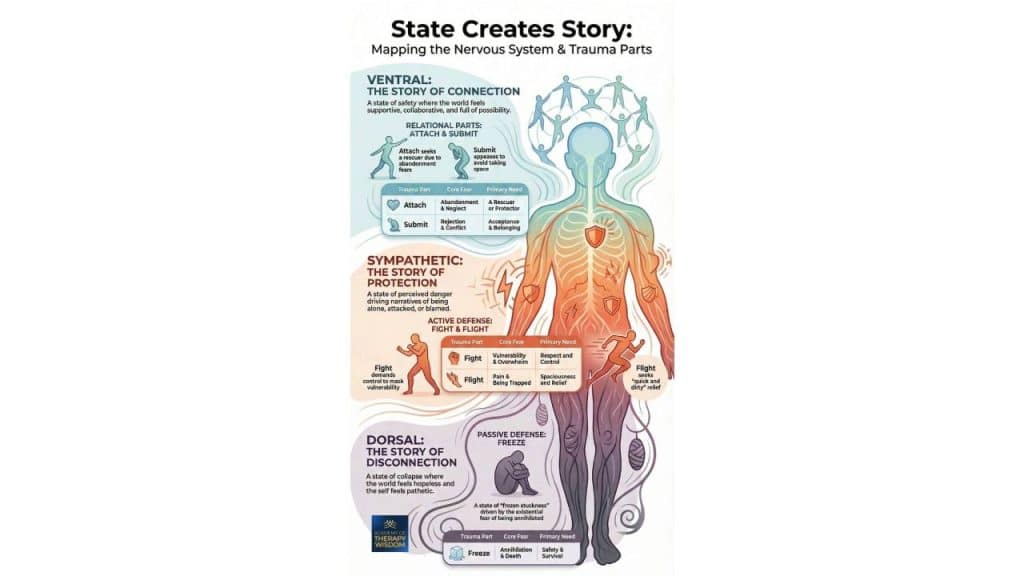
- Somatic and Parts Work: Approaches like TIST, Sensorimotor Psychotherapy, and IFS help clients notice body responses and “parts” shaped by attachment wounds.
- Mindfulness and Self-Compassion: Techniques to build tolerance for closeness, self-kindness, and safety in relationships.
- Attachment-Focused EMDR and CBT: For reprocessing old attachment memories and building new relational scripts.
Deirdre Fay’s trainings on treating attachment trauma and are excellent places to build these skills.
Is it possible to foster secure attachment in adulthood?
Yes—research shows that “earned secure attachment” is possible through corrective relational experiences, both inside and outside therapy (Siegel, 2023). Consistent, safe, and attuned therapeutic work can help clients rewire attachment strategies and build lasting resilience.
What are the latest resources and trainings for attachment-focused trauma therapy?
- Treating Attachment Trauma with Deirdre Fay
- Attachment-Focused EMDR Training
- Frontiers in Psychology: Attachment and Trauma Research (2024)
- APA 2025 Annual Convention: Attachment and trauma tracks

JOIN a FREE Webinar Training with Deirdre Fay, MSW
Embodied Attachment: The Missing Piece In Trauma Healing
In this exclusive online session, participants will:
Gain clinical insights into the imprinting of a client’s attachment style.
Differentiate the missing attachment needs present in current triggers.
Learn to deconstruct and repattern the client’s Internal Working Model, as proposed by Bowlby.
Understand easy-to-apply techniques to diagram internal experiences, allowing clients to reflect, slow down, and make pattern-changing decisions.
Conclusion: Attachment Work as a Cornerstone of Trauma Healing
Reflecting on the science and practice of trauma recovery, it’s clear that attachment theory and trauma must be at the heart of advanced clinical work. By integrating more attachment-informed interventions, you´ll help clients move from isolation and shame toward connection and security.
If you’re ready to deepen your skills, I warmly invite you to click through and consider if Deirdre Fay’s treating attachment trauma trainings are the best next step for you and your therapy practice. With care,
Heather