
“and sometime it takes the most wounded wings
the most broken things
to notice how strong the breeze is,
how precious the flight.”
Andrea Gibson (1975-2025)
Colorado Poet Laureate
Dear friends,
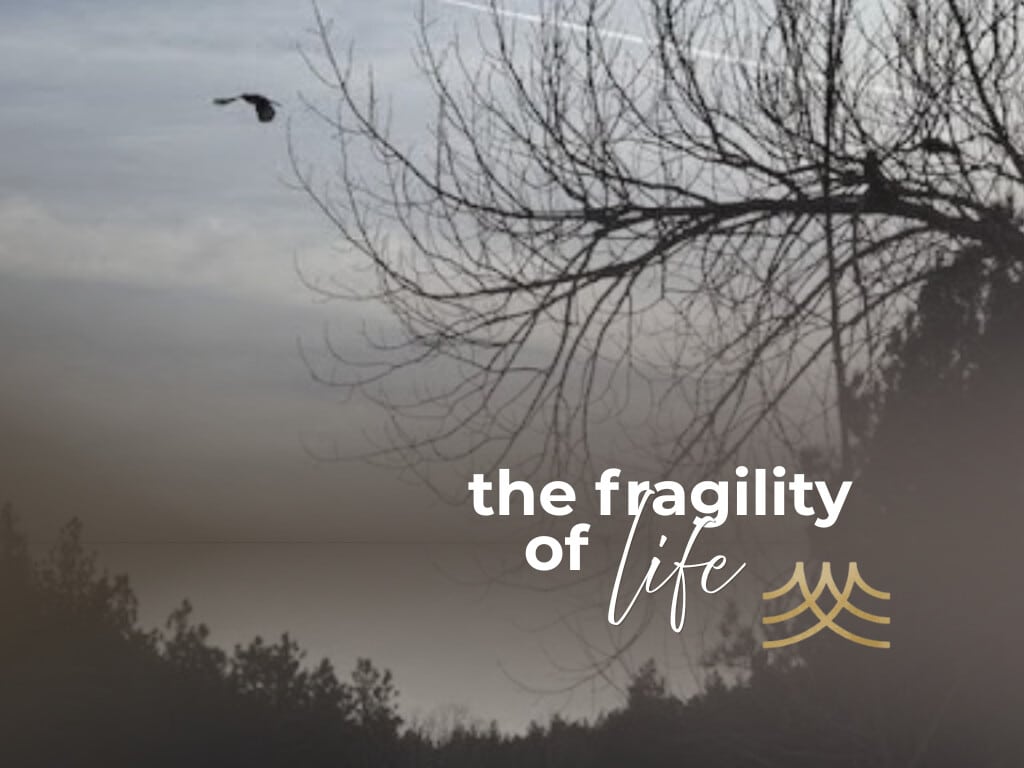
Until my sports injury in November, when I fractured several vertebrae in my neck including C1, I do not think I truly understood how fragile life is.
I have reflected on impermanence (life is like a bubble, death comes without warning….) Like many any of us have.
Impermanence can remain an idea in our brain, something we understand intellectually, even something we speak about with comfort.
From my recent experience, fragility seems different. Fragility is far from conceptual. It is immediate. It often arrives in a single moment, out of nowhere.
Wearing a neck brace, people will stop me and want to share their stories. I hear about strong, healthy individuals whose lives changed suddenly because of an ordinary accident. One story that struck me was about a professional rock climber who fell from a ladder in his kitchen. A rather mundane activity that permanently altered his life.
There is something clarifying (and honestly somewhat frightening) about this kind of awareness. It dismantles the illusion that control is ever possible. Life is not necessarily fragile because we are careless or weak, but because we are alive.
As spiritual practitioners, how do we allow this awareness to open us rather than tighten us? How do we let it deepen our practice instead of feeding fear? How do we live with greater care and appreciation, knowing that death is never far away, even with the illusion things are momentarily stable?
I have been thinking about this alongside our culture’s fascination with longevity. Peter Diamandis, a leading voice in the longevity and biohacking world, offers an endless stream of advice on supplements, technology, and strategies designed to help us live longer and healthier lives. He’s worth checking out if that is of interest.
But his advice that sticks with me the most is simple: Do not do something stupid, like crossing a busy intersection while texting.
No supplement or technology can replace our attention and presence. Awareness may be one of the most powerful practices we have for preserving life. Seven years ago, my wife noticed subtle sensations in her body and knew that something was off, and trusted that awareness enough to seek help. It saved her life.
For those in the helping profession, this reflection feels especially close to home. We spend our days sitting with vulnerability, trauma, grief, betrayal, and uncertainty. We help others face the fragility of their lives, often while forgetting our own. It is easy to orient toward care for others while moving through our own days on autopilot.
Perhaps part of our practice is remembering that we, too, are living inside this fragile human experience. That each session, each breath, each ordinary moment is not guaranteed. We really don’t know if we will see this client again. I think of the Zen priest who turns their tea mug upside down each night before bed. A ritual of never assuming another day.
And in the other direction, there are stories like Juliane Koepcke, whose plane was struck by lightning over Peru. She literally fell 10,000 feet, still strapped to her seat, and survived. Then walked alone through the Amazon rainforest for eleven days until she found help. Life is more fragile than we think and sometimes more resilient than we can imagine.
When we allow that awareness, both the fragility and the resilience, it can soften us. It can slow us down. It can bring us into deeper presence with our clients and with ourselves.
Fragility, met with awareness, becomes a teacher.
A reflection for you: Where in your life are you moving on autopilot? What ordinary moment might you approach with greater attention today?
Warmly,
Brian
P.S. I’d love to hear how you hold awareness of life’s fragility in your own practice. Share your reflections with the community in the Academy of Therapy Wisdom Network.
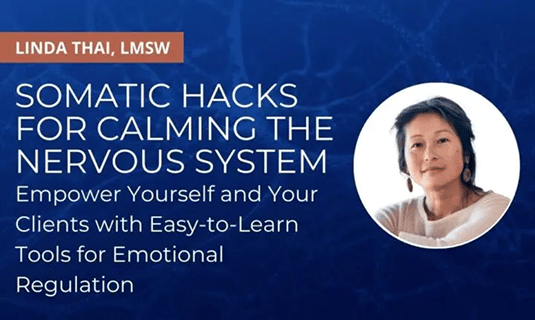
What you´ll learn:
- Vestibular Engagement for Emotional Regulation
- Using the Eyes to Hack the Stress Response System
- Subtle Sounds to Release the Peri-Trauma Response
- Effective Self-Holding and Self-Swaddling Techniques
- How and When to Apply Bilateral Stimulation
- Integration and Completing the Stress Response Cycle