



Stop Saying “I Don’t Work With Addiction”

A Radical New Approach Every Therapist Can Use

With Andrew Tatarsky

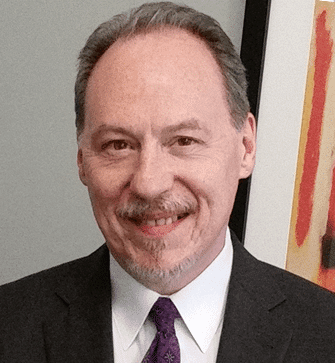
Andrew Tatarsky
Abstract purple swirling lines on black background
Tree growing through cracked dry earth at sunrise.

This Webinar Is About...

Most psychotherapists have been taught, explicitly or implicitly, that they should not work with addiction unless they are “specialists” or practicing in formal addiction treatment settings. This belief has left many clinicians feeling unprepared or avoidant when substance use issues or other addictive and compulsive behaviors emerge in therapy. In reality, these struggles appear in nearly every practice, and avoiding them often deepens shame, ruptures the therapeutic alliance, and limits meaningful change.

In this webinar, Andrew will challenge the dominant narratives that frame addiction as a disease requiring abstinence-only treatment and offer a radically different, re-humanized, and clinically grounded paradigm. Drawing on Integrative Harm Reduction Psychotherapy (IHRP), he will present addiction as a meaningful response to suffering, a survival strategy shaped by biology, psychology, relationships, and social context.

Andrew will show how therapists already possess many of the core skills needed to work effectively with these clients and how adapting existing therapeutic tools through a harm reduction, dignity-centered lens allows clinicians to meet people where they are, strengthen the therapeutic relationship, and support positive change without requiring abstinence or specialized settings.

The webinar will also introduce the Nine Therapeutic Tasks of IHRP as a flexible roadmap for promoting healing, growth, and positive change.

In this webinar, Andrew will teach:

Therapy session with two women conversing on couch.

Why the belief “I don’t work with addiction” is based on outdated and harmful assumptions—and how it undermines effective psychotherapy...

so that you can confidently address substance use when it appears in the room instead of feeling unprepared, avoidant, or worried you’re “outside your scope.”

Woman holding glass of whiskey, dark background.

How to understand addictive and compulsive behaviors as meaningful, adaptive responses to suffering rather than pathology or moral failure...

so that you can decrease shame, increase compassion, and help clients access the parts of themselves that genuinely want healing and relief.

Person holding chest, appearing emotional or reflective.

How harm reduction principles can be integrated into any therapeutic orientation to strengthen alliance, reduce shame, and promote corrective emotional experiences—the cornerstones of effective therapy...

so that your existing modality becomes more effective with clients who use substances or engage in compulsive behaviors, without needing a separate specialization.

Hand holding glass under running water

Practical skills and strategies for working with substance use, urges, ambivalence, and risk without demanding abstinence or becoming an “addiction specialist”...

so that you can offer real support to clients exactly where they are, navigate ambivalence with clinical confidence, and make space for incremental but meaningful change.

Woman stressed holding her head on couch

Skills for managing common countertransference pitfalls encountered when working with addictive and compulsive behaviors...

so that you can maintain a grounded, compassionate therapeutic presence even when clients’ behavior triggers fear, frustration, or helplessness.

Person checking boxes on a checklist with pen.

An overview of the Nine Therapeutic Tasks of Integrative Harm Reduction Psychotherapy as a flexible, dignity-centered framework clinicians can immediately apply...

so that you leave the webinar with a clear, structured approach you can use session-by-session to promote safety, autonomy, and sustainable positive change.

Andrew Tatarsky, Ph.D.

Meet your presenter:

Andrew Tatarsky, Ph.D.

Andrew has worked with people who struggle with drugs and their families forover 40 years. Andrew developed Integrative Harm Reduction Psychotherapy (IHRP) for treating the spectrumof risky and addictive behavior. IHRP brings relational psychoanalysis, CBT, and mindfulness together in a harm reduction frame. IHRP meets people wherever they are on their positive change journeys and works collaboratively to support people in discovering their truth and what goals and approach to positive change best suit them. The therapy has been described in hisbook, Harm Reduction Psychotherapy: A New Treatment forDrug and Alcohol Problems, and aseries of papers.

The book has been translated into Polish, Spanish, and Russian. He holds a doctorate in clinical psychology from the City University of New York and is a graduate of New York University’s Postdoctoral Program in Psychoanalysis and Psychotherapy. He has a privatepractice in NYC offering individual, family, and couples therapy, professional training, and organizational consultation. He is a Senior Advisor at Silver Hill New York in NYC, where he supervises, consults, and trains on harm-reduction-informed treatment. He was the Founder and Executive Director of the Center for Optimal Living in NYC, a treatment, education, and professional training center based on IHRP. He is a member of the Medical and Clinical Advisory Panels of the New York State Office of Addiction Services and Support. Andrew has trained individuals and organizations in 20 countries. His writing, teaching, clinical work, and leadership aim to promote a re-humanized view of people who struggle with problematic substance use and a harm reduction continuum of care that will extend help to everyone who needs and wants it wherever they are ready to begin their positive change journeys.

Free Access Now