

Watch this FREE video by Andrew Tatarsky, PhD

Do Harm Reduction Techniques Work in Therapy?

(Free Training)

Andrew Tatarsky Shows Us How To Respond to Substance Use Disclosure

Learn how to stay grounded, connected, and clinically effective when working with clients who use substances, even when they’re not ready to stop…

Have you ever felt helpless when a client says, “I used last night, I can’t quit…”?

Have you ever found yourself wondering: “Am I helping?” “Should I refer them out?” “Is there even a path forward?”

You’re not alone.

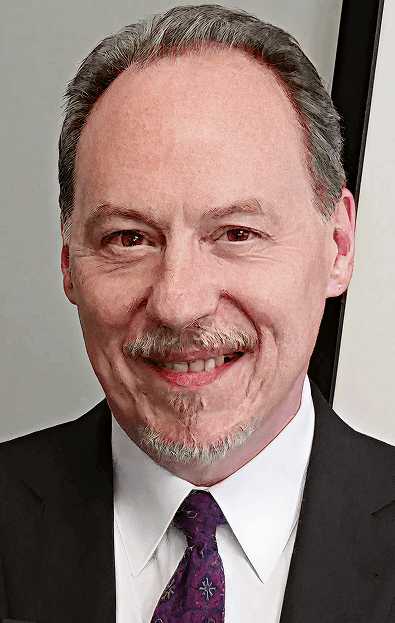
In this free harm reduction training, Dr. Andrew Tatarsky, a clinical psychologist, founder of the Center for Optimal Living, and pioneer of Integrative Harm Reduction Psychotherapy, shares a transformative, evidence-based approach to working with substance use and other compulsive behaviors.

Andrew Tatarsky

You’ll discover how to stay attuned and effective, even when a client
is actively using, ambivalent about change, or caught in cycles of self-harm, disordered eating, or addiction.

If you’ve ever walked away from a session thinking:

This video is for you.

Abstract purple spiral lines on black background

In this free video, you’ll learn:

Why the majority of people struggling

Why the majority of people struggling with substance use never seek help and how to offer a therapeutic relationship they’ll actually accept

so that you can reach more clients and reduce harm even when abstinence isn’t on the table.

What to do when a client is ambivalent

What to do when a client is ambivalent about change

so that you don’t have to choose between “doing nothing” or making ultimatums that drive them away.

How to reframe addictive behaviors

How to reframe addictive behaviors as meaningful responses to suffering

so that your work moves from compliance to true collaboration.

The nine core therapeutic tasks

The nine core therapeutic tasks of Integrative Harm Reduction Psychotherapy

so that you can understand the types of harm reduction and confidently support positive change without abandoning your clinical ethics or burning yourself out.


You’ll also hear real client stories, from crisis to transformation, and the tools that made the difference…
If you’ve ever thought: “I became a therapist to reduce suffering, not to watch it repeat…” this video will show you a new way forward.

Andrew Tatarsky

Andrew Tatarsky

Andrew has worked with people who struggle with drugs and their families for over 40 years. He developed Integrative Harm Reduction Psychotherapy (IHRP), a model that integrates relational psychoanalysis, CBT, and mindfulness within a harm reduction framework. IHRP supports clients in discovering their truth and choosing goals and strategies that best fit their unique journeys toward positive change. His work is described in Harm Reduction Psychotherapy: A New Treatment for Drug and Alcohol Problems—translated into Polish, Spanish, and Russian—and in numerous published papers. He holds a doctorate in clinical psychology from the City University of New York and completed postdoctoral training at NYU’s Program in Psychoanalysis and Psychotherapy. Andrew maintains a private practice in NYC, offering therapy, training, and consultation.

He is a Senior Advisor at Silver Hill New York, where he provides supervision and training in harm reduction-informed care, and he formerly founded and led the Center for Optimal Living. He also serves on the Medical and Clinical Advisory Panels for the New York State Office of Addiction Services and Support. Andrew has trained professionals and organizations in 20 countries, with a focus on advancing a re-humanized, compassionate approach to problematic substance use and expanding access to care across the harm reduction spectrum.

Frequently Asked

questions

Q: I’m not an addiction specialist. Is this video still relevant to my practice?

Yes. This training is specifically designed for therapists who don’t identify as addiction specialists but still encounter substance use, compulsive behaviors, or ambivalence in their clients. You’ll learn practical, integrative tools that you can begin using immediately, without needing to overhaul your existing approach.

Not necessarily. Many clients resist traditional treatment because it demands abstinence upfront. This video will show you how to keep those clients engaged in therapy, reduce immediate harm, and create a foundation for meaningful, self-directed change, whether or not abstinence is their goal.

Yes. Harm reduction is a client-centered, evidence-based approach that meets people where they are, without judgment or coercion. It helps clients make any positive change that reduces harm and increases wellbeing. You’ll see how this approach is both compassionate and clinically rigorous.

Yes. IHRP is designed to address a wide range of compulsive and self-harming behaviors, including disordered eating, gambling, porn use, social media, and more. If your clients feel stuck in cycles they can’t control, this approach gives you tools to help them shift, safely and sustainably.

Free Access Now