

Table of Contents
- Introduction: The Expanding Landscape of Trauma-Informed Therapy
- What Is Trauma-Informed Therapy?
-
Comprehensive List of Trauma-Informed Therapy Methods
- Sensorimotor Psychotherapy
- Trauma-Informed Stabilization Treatment (TIST)
- Internal Family Systems (IFS)
- Somatic Experiencing®
- EMDR (Eye Movement Desensitization and Reprocessing)
- Attachment-Based Therapy
- Nervous System Regulation Therapy
- Trauma Resiliency Model (TRM)
- Mindfulness-Based Trauma Therapy
- Trauma-Focused CBT & CPT
-
FAQ: Choosing the Right Method for Clinical Needs
- Which trauma-informed methods address top client concerns—like dissociation, complex PTSD, or somatic symptoms?
- Which methods offer 100% online training and practice?
- Which methods have explicit somatic elements, and why does this matter?
- What is the investment for the top three trauma-informed therapy trainings?
- What makes Linda Thai’s nervous system regulation training unique?
- Conclusion: Informed Choice Means Better Outcomes
Introduction: The Expanding Landscape of Trauma-Informed Therapy
I’m continually inspired by how our field is rapidly evolving, with new trauma-informed therapy methods empowering clinicians and clients alike. In 2025, therapists have more evidence-based options than ever for addressing the nuanced needs of trauma survivors. In this guide, we’ll map the full range of trauma-informed therapies, answer advanced FAQs, and compare the newest online and in-person training opportunities—including Linda Thai’s acclaimed nervous system regulation therapy approach and techniques.
What Is Trauma-Informed Therapy?
Trauma-informed therapy is a clinical approach that recognizes the widespread impact of trauma, integrates knowledge about its effects, and prioritizes safety, empowerment, and choice for clients. The latest professional guidelines stress the need for cultural humility, somatic awareness, and ongoing therapist education.
Comprehensive List of Trauma-Informed Therapy Methods
Sensorimotor Psychotherapy
- Focus: Body-centered trauma work integrating somatic and cognitive interventions.
- Best for: Dissociation, somatic symptoms, chronic trauma.
- Somatic Elements: Yes.
- Online Options: Introductory courses available online; advanced trainings hybrid.
- Cost: $1,500–$4,500/year (Sensorimotor Psychotherapy Institute).
Trauma-Informed Stabilization Treatment (TIST)
- Focus: Parts work, stabilization, and neurobiological integration (Janina Fisher).
- Best for: Complex PTSD, dissociation, chronic shame.
- Somatic Elements: Yes.
- Online Options: Live and on-demand via Therapy Wisdom.
- Cost: $997–$1,997 (TIST Certification Training).
Internal Family Systems (IFS)
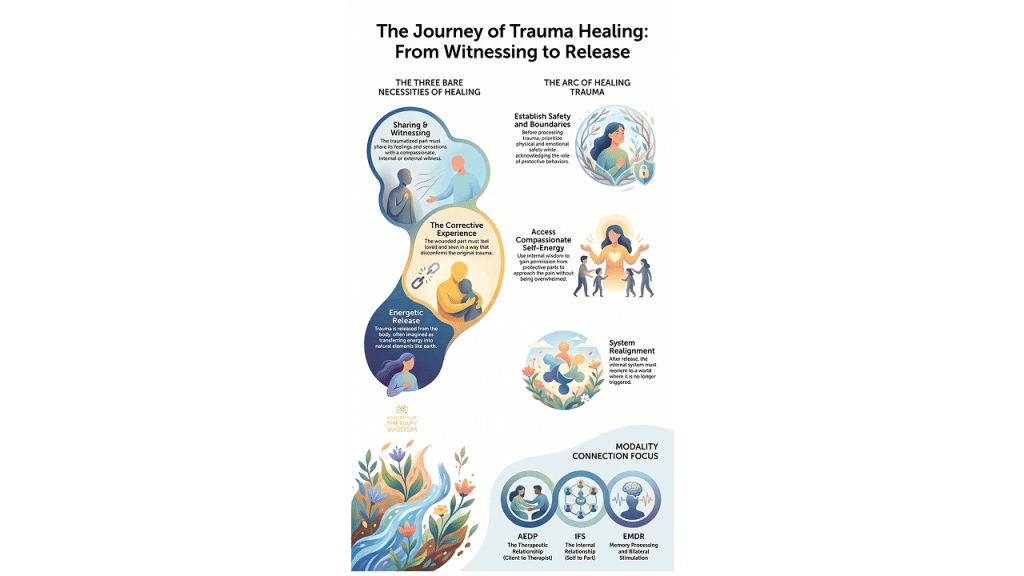
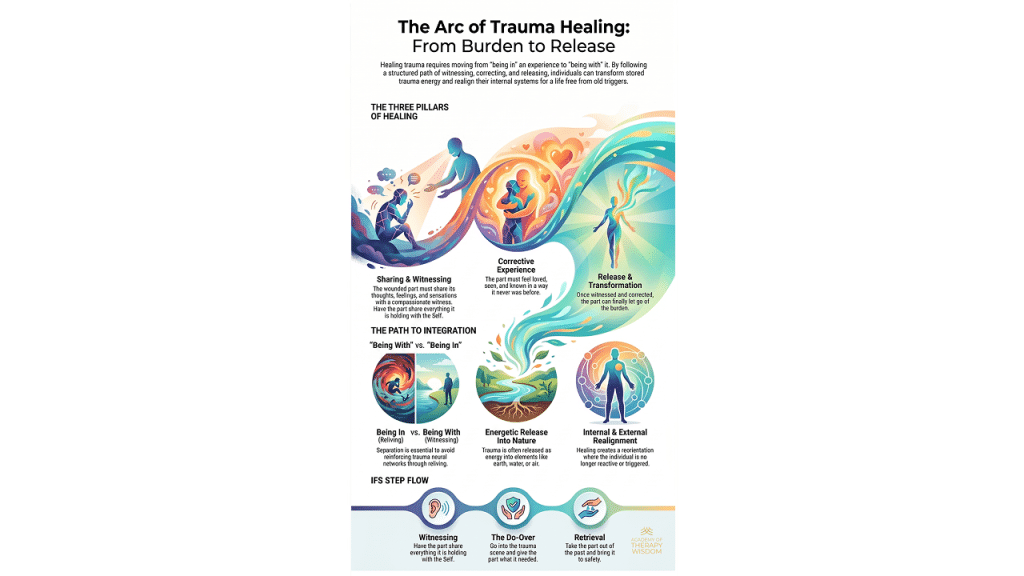
- Focus: Parts work, self-leadership, and non-pathologizing trauma intervention.
- Best for: Complex trauma, dissociation, relational wounding.
- Somatic Elements: Some, but less body-based than TIST or SE.
- Online Options: Level 1–3 now available virtually.
- Cost: $3,000–$5,500 (IFS Institute).
Somatic Experiencing®
- Focus: Nervous system regulation, body-based trauma resolution.
- Best for: Shock trauma, developmental trauma, physical symptoms.
- Somatic Elements: Extensive.
- Online Options: Introductory courses online; full training hybrid.
- Cost: $3,400–$7,000 (Somatic Experiencing International).
EMDR (Eye Movement Desensitization and Reprocessing)
- Focus: Bilateral stimulation to process traumatic memories.
- Best for: PTSD, single-incident trauma, attachment trauma (with advanced protocols).
- Somatic Elements: Some, especially in integrative protocols.
- Online Options: Yes, including full basic trainings.
- Cost: $1,200–$2,500 (EMDR International Association).
Attachment-Based Therapy
- Focus: Repair of early attachment wounds, relational trauma.
- Best for: Developmental trauma, attachment disorders, chronic relational issues.
- Somatic Elements: Increasingly integrated.
- Online Options: Yes, including Treating Attachment Trauma with Deirdre Fay.
Nervous System Regulation Therapy (Linda Thai)
- Focus: Polyvagal theory, somatic resourcing, trauma-informed mindfulness.
- Best for: Complex trauma, chronic stress, cultural trauma.
- Somatic Elements: Core.
- Online Options: 100% online (Nervous System Regulation Therapy).
- Cost: $1,097–$1,497.
Trauma Resiliency Model (TRM)
- Focus: Community-based, body-focused skills for trauma recovery.
- Best for: Acute and chronic trauma, group settings.
- Somatic Elements: Yes.
- Online Options: Yes (Trauma Resource Institute).
- Cost: $495–$1,795.
FAQ: Choosing the Right Method for Clinical Needs
Which trauma-informed methods address top client concerns—like dissociation, complex PTSD, or somatic symptoms?
- Dissociation & Complex PTSD: Trauma-informed Stabilization Treatment (TIST), IFS, Sensorimotor Psychotherapy, Nervous System Regulation Therapy.
- Somatic Symptoms: Somatic Experiencing, TIST, Sensorimotor Psychotherapy, Nervous System Regulation, TRM.
- Attachment Difficulties: Attachment-Based Therapy, TIST, IFS.
Which methods offer 100% online training and practice?
- Online Only: Nervous System Regulation Therapy with Linda Thai, TIST Certification Training with Janina Fisher, EMDR (select providers).
- Hybrid: Sensorimotor Psychotherapy, Somatic Experiencing, IFS.
Which trauma-informed counseling methods have explicit somatic elements, and why does this matter?
- Somatic Core: Somatic Experiencing, Sensorimotor Psychotherapy, Nervous System Regulation, TRM.
- Why it matters: Research shows somatic interventions improve outcomes for dissociation, chronic stress, and PTSD (Somatic Experiencing research).
What is the investment for the top three trauma-informed therapy trainings?
- Trauma-informed Stabilization Treatment (TIST) Certification Training: $997–$1,997
- Nervous System Regulation Therapy Certification: $1,097–$1,497
- Sensorimotor Psychotherapy: $1,500–$4,500/year (Sensorimotor Psychotherapy Institute)
What makes Linda Thai’s nervous system regulation training unique?
Linda Thai’s trauma-informed therapy approach is distinguished by its integration of polyvagal theory, cultural humility, and practical somatic interventions. Students praise the clarity, accessibility, and supportive community built into the nervous system regulation therapy program (that link will take you to her free introductory training to get started). It’s 100% online, with live calls, experiential exercises, and ongoing support.
Conclusion: Trauma-Informed Means Better Outcomes
Choosing the right trauma-informed therapy method is a nuanced decision—one that should reflect the needs of your clients, your preferred clinical style, and what’s supported by cutting-edge research. From Linda Thai’s nervous system regulation therapy to TIST and Sensorimotor Psychotherapy, every method on this list offers unique strengths for different populations. If you’re ready to deepen your expertise and join a global community of trauma-informed clinicians, nervous system regulation therapy is a standout place to begin.
At Academy of Therapy Wisdom, we are always bringing the most current methodologies in therapist training to you. We look forward to being a part of your next best step in trauma therapy mastery.
Best regards,
Heather