
Reframing Food Addiction, Attachment Wounds and Eating Disorders in the Ozempic Era
Numbing or Nurturing? What the Rise of GLP-1 Medications Means for Therapists
GLP-1 Drugs Are Changing Bodies—But What Are They Doing to Our Minds?
Medications like Ozempic and Wegovy are changing the way clients relate to food, hunger, and even emotion. We know what the benefits are physically, but are there deeper psychological and relational impacts of these shifts?
Join licensed therapist and eating disorder specialist Kathryn Garland and psychologist Vanessa Scaringi for a free, trauma-informed webinar that explores the emerging intersection of medication use, attachment wounds, and food-related behaviors.
Even if your practice doesn’t focus on disordered eating, your clients are still impacted by these cultural trends. Whether your clients are actively using these medications—or simply absorbing the cultural narratives around them—this conversation will help you hold space with nuance, compassion, and cultural humility.
Kathryn and Vanessa offer timely insights to support your clinical work and deepen your understanding of how systemic messages about body, worth, and control are showing up in the therapy room.
We’ve clearly entered a new era. One where hunger cues are numbed by medication. Where the body’s natural stress and safety signals are blunted. Where clients report feeling emotionally detached, foggy, or even dissociated—and calling it “success.”
This isn’t just about weight loss—it’s about what happens when emotional, relational, and bodily cues are medically altered in a culture that already pathologizes hunger and marginalizes larger bodies.
For many, GLP-1s offer real relief—but for others, they may create new disconnections. We’ll explore both the potential benefits and the often-overlooked psychological consequences, without stigma or judgment.
In this webinar, you’ll learn:
- How GLP-1 medications may dampen emotional responsiveness and impact dopamine regulation,so that you can better understand shifts in client affect, motivation, and relational engagement—and adapt your approach accordingly.
- Why binge/restrict cycles and food compulsions often stem from attachment wounds,so that you can address the emotional and relational roots of disordered eating instead of focusing solely on behavioral symptoms.
- How cultural narratives around hunger, body image, and thinness are shaped by systemic fatphobia and trauma,so that you can recognize the broader sociocultural forces influencing your clients’ food choices and self-perception—and hold space for healing without judgment.
- What might be lost in the shift from intuitive eating to pharmacologically controlled appetite,so that you can help clients explore internal cues, self-trust, and autonomy in a world that often encourages disconnection from the body.
- How to talk with clients who are using GLP-1 medications without shaming, colluding, or ignoring the emotional impact,so that you can navigate these conversations with attunement and respect for client agency, while still exploring the deeper needs being met or muted.
You’ll leave with a new lens on food, attachment, dopamine, and the complexity of navigating medication use in a culture that often equates thinness with health—and silences emotional needs in the process.
Make sure you stick around for the end of the call, when Kathryn and Vanessa will take questions and dive deeper into this important conversation with you!
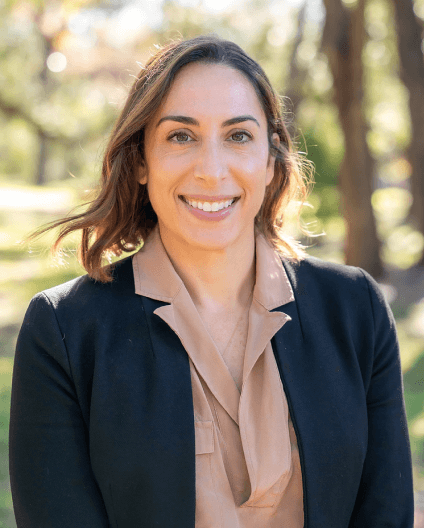
Vanessa Scaringi
is a licensed psychologist in Austin, Texas who works with adolescents, young adults, and adult populations. She provides individual, group, and family therapy. Vanessa works with clients to help them achieve a greater sense of awareness so that they may identify patterns and behaviors that interfere with living the lives they want. She strives to instill a sense of hope, as she thinks this is an important part of the process.
Vanessa’s work centers on developing a safe and collaborative environment where clients feel comfortable discussing difficult aspects of their lives. While creating this type of setting is at the root of much of her clinical work, she also integrates theoretical approaches that help clients become more self-aware. Vanessa feels that it’s through the process of developing awareness and insight that change can occur. She also believes in the importance of utilizing evidence-based behavioral approaches that can facilitate the change process.
Kathryn Garland
Kathryn Garland is a licensed clinical social worker and supervisor as well as a certified eating disorder specialist and consultant in Texas, New York, Colorado, and Massachusetts. Kathryn views therapy as a collaborative exploration, which requires both curiosity and trust. As a psychoanalytically trained psychotherapist, Kathryn incorporates relational and interpersonal therapy along with mindfulness and intuitive methods to create a safe space and working alliance with her clients. Kathryn specializes in working with adolescents, adults, and couples struggling with anxiety, depression, grief, identity issues, past trauma, disordered eating and negative body image, as well as chronic illness. Her experience includes working with LGBTQ+ teens in the NYC foster care system, outpatient community mental health clinics, college counseling centers, as well as being the primary therapist at an eating disorder treatment center, where she coordinated the adolescent Intensive Outpatient Program and facilitated a weekly parent support group. Kathryn work with clients to examine barriers to growth, difficulty with transitions, and overcoming fears to create lasting change.

Are We Numbing or Nurturing: Attachment Wounds, Eating Disorders, and GLP-1 Antagonists
Attachment theory offers powerful insight into how our earliest relationships shape the way we connect with others—and how we relate to food. If you’re a therapist working with clients who struggle with disordered eating, you’re likely seeing the ripple effects of these attachment wounds in the therapy room every day.
Now, a new layer has been added to the clinical picture: the explosive rise of GLP-1 receptor agonists like Ozempic and Wegovy.
What does this mean for your clients? What does it mean for the therapeutic process? And how can you navigate this increasingly complex terrain with confidence, clarity, and compassion?
Join Vanessa Scaringi, PhD and Kathryn Garland, LCSW-S, CEDS-S for a provocative, eye-opening free webinar that explores the intersection of attachment trauma, eating behaviors, and the neurochemical disruption created by popular new weight-loss drugs.

The Rise in the Use of GLP-1 Drugs and What That Means For You As a Therapist
As GLP-1 drugs flood the market and headlines, clinicians are seeing a dramatic shift in how clients experience hunger, satiety, body image, and even emotion. These drugs, originally developed to treat diabetes, are now widely prescribed off-label to suppress appetite and promote rapid weight loss.
But they’re not just impacting the body—they’re impacting the brain.
Recent studies suggest that GLP-1 receptor agonists may also influence dopamine and emotional regulation, making it harder for clients to access internal cues, emotional hunger, and self-trust.
For therapists, this raises critical questions:
- What happens to intuitive eating when satiety is artificially regulated?
- How do GLP-1s intersect with food addiction psychology?
- Are your clients bypassing core work around attachment wounds and avoidant attachment patterns?
This free webinar explores the neuroscience, psychology, and relational impact of this cultural shift—and gives you tools to respond in your clinical practice.
What You'll Learn in This Free Webinar
In this 90-minute session, you’ll explore the intersection of:
- Attachment styles and eating disordersand how insecure attachment fuels cycles of bingeing, restricting, or emotional eating.
- GLP-1 receptor agonistsand their neurological impact on hunger, fullness, and emotional reactivity.
- Dopamine and emotional regulationhow the chemical shifts introduced by weight-loss drugs may override emotional cues and relational needs.
- The cultural shift toward outsourcing internal wisdom to medicationand how to support your clients in reclaiming body trust.
Why This Conversation Matters More Than Ever
According to recent data, prescriptions for GLP-1 drugs like Ozempic have increased more than 300% in the last two years. And it’s not just adults—young people are increasingly being prescribed these medications, often with little psychological screening or support.
Meanwhile, rates of disordered eating continue to rise across age groups, especially in the wake of the pandemic, and therapists are on the frontlines of navigating this complex clinical territory.
In the rush toward chemical control of appetite, many clients are bypassing the deeper work of healing relational wounds, building emotional capacity, and cultivating a secure relationship with food and body.

This webinar offers:
- A balanced, evidence-informed look at GLP-1 drugs without judgment or bias.
- A deep dive into attachment theory and its relevance to modern eating disorder treatment.
- Real clinical strategies to help your clients find stability, safety, and empowerment in their relationship with food.
Who This Free Training Is For:
This free webinar is ideal for:
- Therapists and clinicians working with clients who struggle with eating disorders and medication use
- Practitioners interested in attachment theory, trauma healing, and relational models of care
- Dietitians and health coaches seeking a deeper understanding of food addiction psychology and emotional regulation
- Anyone who wants to explore the impact of GLP-1 medications from a psychological, not just medical, perspective
Key Takeaways and Tools You’ll Gain:
- How to spot the signs of attachment wounds showing up in food behaviors
- How Ozempic and mental health concerns are emerging in session
- How to differentiate between true physiological hunger and emotional coping mechanisms
- Language and strategies to explore intuitive eating when the gut is pharmacologically silenced
What Therapists Are Saying About Vanessa & Kathryn

“In knowing and working with Vanessa and Kathryn for many years, their passion for helping to identify a deeper understanding of disordered eating is evident. I am excited that they get to share their course on looking at disordered eating through the lens of one’s attachment style. Vanessa and Kathryn are enthusiastic and engaging presenters to share this important information to anyone interested in working in the field of eating disorders.”
– Jessica Genet, PhD
within Health, Director of Clinical Development and Training
“As a child and adolescent psychiatrist, I truly love how Kathryn and Vanessa beautifully connect attachment theory and eating disorders. Weight stigma and other systemic oppressions can increase susceptibility to disordered eating. This course helps clinicians to understand the emotional needs beneath a client’s insecure attachment wounds and disordered eating behaviors.”
– Erikka D. Taylor, MD, MPH, DFAACAP
Double Board Certified Child, Adolescent & Adult Psychiatrist
Arise, Chief Medical Officer
Project HEAL, Chair of the Board of Directors
“Vanessa and Kathryn offer a groundbreaking approach to healing disordered eating. Both practitioners and clients will benefit from understanding the profound connection between attachment styles and our relationship with food. Their insights pave the way for lasting, meaningful change in how we relate not just to food, but to ourselves as a whole.”
-Maytal Eyal, PhD

Save Your Spot — Free Registration Now Open
This conversation is timely, nuanced, and essential for any clinician working with food, trauma, or emotional regulation.
Attachment theory continues to offer one of the most powerful frameworks for understanding disordered eating. Join us for this free webinar to explore how early emotional wounds, modern pharmaceuticals, and relational repair all intersect on the path to healing.
Don’t miss this opportunity to learn from two of the most insightful voices in the field—and gain a new lens for helping your clients heal from the inside out.