

As someone who works in the therapy industry helping therapists find the right training and grow successful practices, I’ve noticed a growing interest in disorganized attachment treatment. A recent study by the National Institute of Mental Health revealed that approximately 15% of children in the United States experience disorganized attachment, where a recent study published by the APA notes about 25% of the U.S. population as having disorganized attachment. Signs show that this number is growing, highlighting the need for effective interventions.
Struck by the recent surge in studies and discussions surrounding disorganized attachment, and in light of the current events highlighting the long-lasting impact of childhood trauma, I’ve been reflecting on how therapists can better support clients struggling with attachment issues. I´m intrigued and inspired by the insights shared by trauma expert Deirdre Fay in her recent talk for our Trauma Wisdom Circle.
In the talk, Fay delved into the complexities of working with clients who have experienced disorganized attachment. She emphasized the importance of understanding the underlying needs and protests that drive disorganized attachment behaviors.
One key takeaway from Fay’s talk is the need for therapists to approach disorganized attachment treatment with a trauma-informed lens. She highlighted the importance of creating a safe, supportive therapeutic environment where clients feel seen, heard, and validated.
Fay has dedicated her career to helping individuals heal from trauma and attachment wounds. If you’re a therapist looking to deepen your understanding of this topic, I highly recommend watching her free webinar on treating attachment disorder (training). You´ll be inspired and informed, and I´ll bet just a little changed as a therapist.

JOIN a FREE Webinar Training with Deirdre Fay, MSW
Embodied Attachment: The Missing Piece In Trauma Healing
In this exclusive online session, participants will:
Gain clinical insights into the imprinting of a client’s attachment style.
Differentiate the missing attachment needs present in current triggers.
Learn to deconstruct and repattern the client’s Internal Working Model, as proposed by Bowlby.
Understand easy-to-apply techniques to diagram internal experiences, allowing clients to reflect, slow down, and make pattern-changing decisions.
Understanding the Impact of Disorganized Attachment
Disorganized attachment, often resulting from early childhood trauma or inconsistent caregiving, can have far-reaching effects on an individual’s mental health and relationships. Some common challenges faced by those with disorganized attachment include:
- Difficulty regulating emotions
- Struggles with trust and intimacy
- Heightened anxiety and fear of abandonment
- Tendency towards self-destructive behaviors
It’s crucial that therapists recognize these challenges and tailor treatment approaches accordingly. By understanding the unique needs of clients with disorganized attachment, we can provide more effective, compassionate care.
The Eight Fundamental Attachment Needs
One of the key takeaways from Fay’s talk was the concept of the eight fundamental attachment needs. These needs, which Fay developed based on her work with Dr. Dan Hughes, provide a framework for understanding the underlying drivers of disorganized attachment. According to Fay, when these needs go unmet, individuals may engage in protests or develop maladaptive coping strategies.
The eight fundamental attachment needs include:
1. Safety and protection
2. Attunement and understanding
3. Comfort and soothing
4. Emotional reciprocity
5. Sense of belonging and inclusion
6. Autonomy and independence
7. Realistic limits and boundaries
8. Playfulness and joy
By identifying which of these needs are unmet in clients with disorganized attachment, therapists can tailor their interventions to address the specific areas of concern.
The Role of Protest in Disorganized Attachment
Fay also highlighted the significance of recognizing and validating the protests that often accompany disorganized attachment. She explained that these protests serve as a signal that something deep inside the individual knows that their needs are not being met. Rather than viewing protests as something negative or problematic, Fay encourages therapists to approach them with curiosity and empathy.
As Fay stated in the talk, “When we begin to name the protest, and we begin to call it protest, instead of making it something bad, it’s like, yeah, your protest, of course, your process.” By acknowledging and validating the protests, therapists can help clients feel seen, heard, and understood, which is crucial for building trust and fostering healing.
Strategies for Working with Disorganized Attachment
Throughout the talk, Fay offered practical strategies for working with clients who have experienced disorganized attachment. Some of these strategies include:
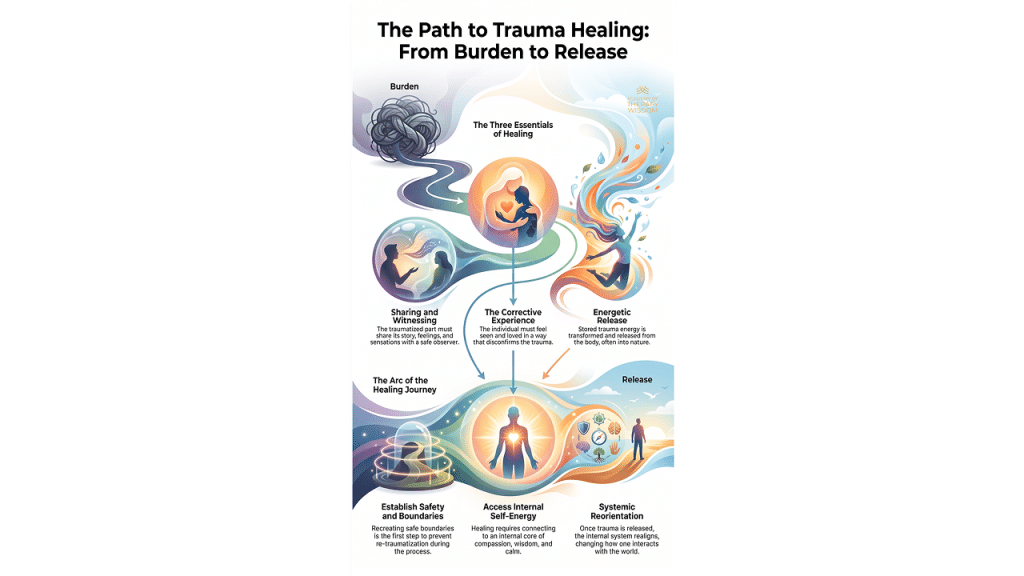
1. Creating a safe and predictable therapeutic environment: Fay emphasized the importance of establishing a sense of safety and consistency in the therapeutic relationship. This may involve setting clear boundaries, maintaining a consistent schedule, and providing a non-judgmental, empathetic presence.
2. Focusing on attunement and co-regulation: Attunement, or the ability to be fully present and responsive to a client’s needs, is essential in disorganized attachment treatment. Fay highlighted the value of co-regulation, where the therapist models and supports healthy emotional regulation for the client.
3. Incorporating somatic interventions: Fay also discussed the benefits of integrating somatic interventions, such as body awareness exercises and grounding techniques, into disorganized attachment treatment. These interventions can help clients develop a greater sense of safety and regulation in their bodies.
To learn more about these strategies and gain a deeper understanding of disorganized attachment, I encourage you might also find intriguing this article from Psychology Today. The Impact of Disorganized Attachment on Child Development and Wellbeing.
Conclusion
It is clear that treating disorganized attachment in therapy requires a nuanced, trauma-informed approach that prioritizes safety, attunement, and somatic awareness. As a therapist, you have the precious opportunity to make a significant difference in the lives of your clients struggling with attachment challenges.
If you’re interested in deepening your understanding of disorganized attachment and trauma-informed care, I highly recommend spending one precious hour with Deirdre. She really will change how you think about trauma and attachment psychotherapy training.
By continuing to educate ourselves and refine our therapeutic approaches, we can create a ripple effect of healing and transformation in the lives of those we serve. Wishing you all the best on your journey of growth and discovery as a therapist.
Warmly,
Heather