
Watch this FREE video by Kathryn Garland and Vanessa Scaringi
Attachment, Food, and Diet Culture: Getting to the Root of Disordered Eating
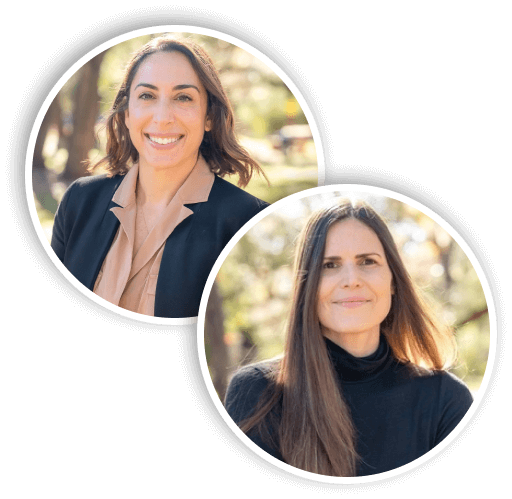
In this FREE video, Kathryn and Vanessa will help you:
- Understand the connection between attachment styles and disordered eating so you can help clients address the root causes of their eating behaviors.
- Explore how societal pressures and body image expectations impact food relationships so you can guide clients toward a more intuitive and authentic relationship with food.
- Learn practical interventions from an attachment-based lens so you can create deeper, lasting transformations for clients struggling with disordered eating.
- Discover how attachment theory complements other therapeutic modalities so you can integrate it seamlessly into your existing treatment approach.
What if the key to treating eating disorders is to view them from an attachment lens... That's what Kathryn Garland and Vanessa Scarinigi assert will lead to resolution beyond symptom management... This groundbreaking approach allows therapists to address deeper emotional dynamics, getting to the root of where a client's disordered eating started. You'll learn how societal pressures, including diet culture and body image standards, complicate the relationships people have with food and their body.
With over 30 years of combined experience, Vanessa and Kathryn share practical insights and tools for creating lasting change in clients. Whether you're new to working with eating disorders or a seasoned specialist, this video offers powerful new perspectives that will change the way you think about eating disorders going forward.
Kathryn and Vanessa will share some of their vast experience and unique approach to treating disordered eating - which is something they teach other therapists at the group practice they co-own.
Help your clients find the path to longterm recovery and healing by learning to go beyond symptom relief, by delving further into the roots of their disordered eating.
Did You Know?
Did you know that studies report over 70% of women being dissatisfied with their bodies, and eating disorders have more than doubled in recent years? This video explains how attachment-based therapy helps uncover what lies beneath the surface when it comes to disordered eating behaviors, and leads to a more sustainable path to healing...

Vanessa Scaringi
is a licensed psychologist in Austin, Texas who works with adolescents, young adults, and adult populations. She provides individual, group, and family therapy. Vanessa works with clients to help them achieve a greater sense of awareness so that they may identify patterns and behaviors that interfere with living the lives they want. She strives to instill a sense of hope, as she thinks this is an important part of the process.
Vanessa's work centers on developing a safe and collaborative environment where clients feel comfortable discussing difficult aspects of their lives. While creating this type of setting is at the root of much of her clinical work, she also integrates theoretical approaches that help clients become more self-aware. Vanessa feels that it's through the process of developing awareness and insight that change can occur. She also believes in the importance of utilizing evidence-based behavioral approaches that can facilitate the change process.
Kathryn Garland
is a licensed clinical social worker and supervisor as well as a certified eating disorder specialist and consultant in Texas, New York, and Massachusetts. Kathryn views therapy as a collaborative exploration, which requires both curiosity and trust. As a psychoanalytically trained psychotherapist, Kathryn incorporates relational and interpersonal therapy along with mindfulness and intuitive methods to create a safe space and working alliance with her clients. Kathryn specializes in working with adolescents, adults, and couples struggling with anxiety, depression, grief, identity issues, past trauma, disordered eating and negative body image, as well as chronic illness. Her experience includes working with LGBTQ+ teens in the NYC foster care system, outpatient community mental health clinics, college counseling centers, as well as being the primary therapist at an eating disorder treatment center, where she coordinated the adolescent Intensive Outpatient Program and facilitated a weekly parent support group. Kathryn work with clients to examine barriers to growth, difficulty with transitions, and overcoming fears to create lasting change.

Attachment, Food, and Diet Culture: Getting to the Root of Disordered Eating
The way people interact with food today is deeply influenced by societal norms, advertising, and cultural expectations. Eating disorder therapy techniques are evolving to focus not just on symptoms but on the underlying emotional and psychological factors that lead to disordered eating. One of the most powerful emerging approaches is viewing these behaviors through the lens of attachment theory. In this groundbreaking free video, Kathryn Garland and Vanessa Scaringi share their insights on how attachment, diet culture, and food relationships intersect, offering transformative tools for clinicians and their clients.
How Diet Culture and Advertising Shape Disordered Eating
The Role of the Food Industry in Disordered Eating
The modern food industry has created a landscape where the marketing of food is omnipresent, and this has a profound effect on how people relate to food. From targeted ads promoting sugary snacks to the glorification of diet products, individuals are bombarded with messages that can lead to unhealthy relationships with food and bodies. Many of these messages exploit body dissatisfaction, encouraging behaviors that contribute to disordered eating.
For instance, diet programs often market themselves as quick fixes for those wanting to meet societal body ideals, reinforcing the notion that thinness equals happiness. This messaging can directly trigger behaviors linked to binge eating disorder or restrictive eating habits. Eating disorder therapy techniques need to address not only these behaviors but also the societal messaging that fuels them.
In their free video, Kathryn and Vanessa explain how societal pressures impact clients' food behaviors and how attachment-based interventions can lead to lasting change. By understanding how clients have internalized these pressures, therapists can better guide them to healthier relationships with food.
Societal Expectations and Their Impact on Body Image
The Pressure of Body Ideals and Its Effect on Mental Health
From an early age, people are taught to conform to specific standards of beauty and body size. These societal expectations often place enormous pressure on individuals to attain a certain physical appearance, resulting in negative body image and, for many, disordered eating. Thinness is frequently equated with success, desirability, and self-worth, while larger bodies are stigmatized.
More than 70% of women report dissatisfaction with their bodies, and this dissatisfaction has been linked to a significant rise in eating disorders. Whether through social media, advertising, or cultural norms, many people experience a disconnect between their body and the ideal they feel pressured to achieve. This disconnect can lead to harmful behaviors such as excessive dieting, binge eating, or compulsive exercising.
In the free video, Kathryn and Vanessa discuss how societal pressures complicate a person's relationship with food, and why attachment therapy for anxiety and emotional attachment to food behaviors can offer a more effective treatment path than traditional therapy approaches. Their work helps therapists reframe how they approach body image and food issues in their practice.
The Power of Attachment-Based Therapy in Treating Disordered Eating
The Connection Between Attachment Styles and Eating Behaviors
One of the most innovative approaches to treating disordered eating is to explore how attachment styles influence a person's relationship with food. In attachment-based therapy, therapists assess whether clients' early relationships with caregivers were secure or insecure, and how those dynamics now play out in their eating behaviors. For many individuals, food can serve as a coping mechanism for unmet emotional needs, with disordered eating becoming a way to self-soothe or exert control in chaotic environments.
In this free video, Kathryn and Vanessa will guide you through the fundamental connection between attachment and disordered eating. They offer practical tools that allow therapists to work through these emotional dynamics with their clients, providing healing that goes beyond symptom relief. By understanding how attachment wounds contribute to disordered eating, therapists can address the root causes and create lasting transformation.
Eating disorder specialist training in this approach equips clinicians with the tools to:
- Assess how attachment styles shape a client's food behaviors.
- Apply binge eating disorder treatment strategies from an attachment lens.
- Support clients in developing a healthier, more intuitive relationship with food.
Diet Culture and Its Destructive Influence on Eating Behaviors
Breaking Free from the Diet Culture Trap
Diet culture has permeated every corner of modern life, from the glorification of restrictive diets to the constant promotion of weight loss products. It places moral value on thinness and perpetuates the harmful belief that some bodies are better than others. The result is a society where people feel compelled to control their eating, punish themselves for enjoying certain foods, and view their bodies as projects that need constant work.
The Health at Every Size movement and body positivity advocacy are countering these harmful messages by promoting the idea that all bodies deserve respect, care, and health, regardless of size. These approaches reject the binary thinking of "good" and "bad" foods, encouraging a more balanced and compassionate relationship with food.
In their free video, Kathryn and Vanessa highlight how integrating intuitive eating and body positivity into therapy can help clients dismantle the harmful impact of diet culture. They also explore how attachment theory can complement these movements, providing clients with a deeper understanding of their emotional relationships with food and their bodies.
What You'll Learn in This Free Video
In the free video, Kathryn Garland and Vanessa Scaringi offer transformative insights into how attachment therapy, combined with eating disorder therapy techniques, can bring lasting healing to clients struggling with disordered eating. Whether you're new to treating eating disorders or a seasoned specialist, this video provides powerful new perspectives that will enhance your therapeutic approach.
Here's what you'll discover:
- The connection between attachment styles and disordered eating: How emotional needs from childhood can manifest in food behaviors.
- How societal pressures affect body image and eating habits: The role of diet culture and how to help clients break free from harmful societal standards.
- Practical tools for attachment-based interventions: Learn actionable strategies to integrate into your practice.
- How to combine attachment theory with other therapeutic modalities: Enhance your existing approach with deeper emotional insights.
Take the Next Step Toward Helping Your Clients Heal
The relationship between attachment, food, and diet culture is complex, but understanding this connection can lead to profound change. Eating disorder therapy techniques are evolving, and with the insights shared by Kathryn and Vanessa, you'll be equipped with new strategies to help your clients build healthier, more compassionate relationships with food. Don't miss this opportunity to learn from two leading experts in the field.
Eating disorder therapy techniques offer a pathway to healing by addressing the emotional, societal, and psychological factors that drive disordered eating. By exploring how attachment therapy can enhance your practice, you'll be able to support your clients in ways that go beyond symptom management, helping them achieve true, lasting transformation.
Copyright 2024 Academy Wisdom Privacy policy