
Watch this FREE video by Jan Winhall
Step-by-Step Interoception:
Open a safe & powerful inner space for holding your clients' most devastating stories, without burning out

In this free video, Jan Winhall will teach you:
-
- The 6 Steps of Focusing: Learn how to guide yourself and your clients through Gendlin's focusing techniques to connect with the body's inner wisdom.
- What Interoception and Neuroception are: Discover how these processes influence the nervous system and learn to use them to help clients feel safe and grounded.
- How to enhance safety and connection in therapy: Learn strategies to create a therapeutic environment that fosters safety, connection, and effective trauma recovery.
Learning the 6 Steps of Focusing is a transformative experience that equips therapists with a structured yet intuitive method for helping clients access their inner emotional landscape. These steps, first developed by Eugene Gendlin, are designed to guide individuals in identifying and engaging with their felt sense-a subtle bodily awareness that carries the essence of their emotional and psychological experiences.
By practicing these steps, therapists can help clients uncover and articulate feelings that may be difficult to express verbally, leading to deeper self-awareness and healing. The ability to guide clients through the 6 Steps of Focusing not only enhances the therapeutic process but also empowers clients to continue this practice outside of therapy, fostering ongoing personal growth and resilience.
Jan Winhall was mentored by Eugene Gendlin and is continuing to expand on his work. Her expertise is rooted in her extensive work with trauma and addiction and her role as an Educational Partner with the Polyvagal Institute. She has developed comprehensive training programs and authored pivotal works that have helped countless therapists incorporate somatic practices into their treatment plans.
By watching this video, you'll gain practical knowledge and the confidence to apply these techniques in your own work, empowering your clients to achieve transformative outcomes. This is more than just a learning experience; it's a chance to deepen your practice and profoundly impact those you serve.
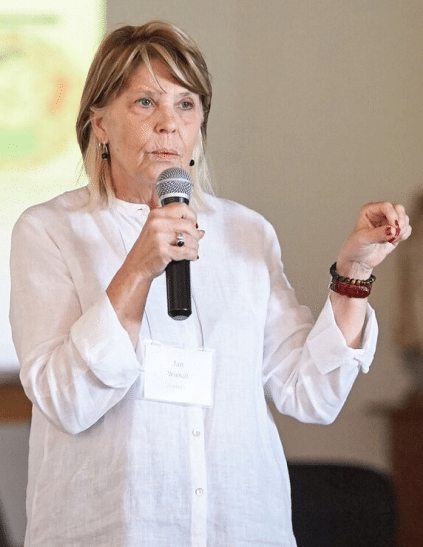
Jan Winhall, M.S.W., P.I.F.O.T.
Jan Winhall, M.S.W., P.I.F.O.T. is an author, teacher, and seasoned trauma and addiction psychotherapist. She is an Educational Partner and Course Developer with the Polyvagal Institute where she offers a training program based on her book Treating Trauma and Addiction with the Felt Sense Polyvagal Model, Routledge 2021. Completion of four levels leads students to become Felt Sense Polyvagal Model Facilitators. She is an Adjunct Lecturer at the University of Toronto and a Certifying Co-Ordinator with the International Focusing Institute. Jan is Co-Director of the Borden Street Clinic where she supervises graduate students. She enjoys teaching all over the world. Jan's new book Twenty Embodied Practices for Healing Trauma and Addiction: Using a Felt Sense Polyvagal Model is due out March 2025 with Norton. It is a manual for her first book, designed for the general public.
Master the 6 Steps of Focusing with Jan Winhall: Unlock the Power of the Felt Sense Polyvagal Model
Are you ready to deepen your understanding of trauma and addiction therapy? In this free video, you'll join Jan Winhall, a seasoned trauma and addiction psychotherapist, as she guides you through Gendlin's 6 Steps of Focusing. By tapping into the Felt Sense Polyvagal Model, Jan empowers you to connect with the body's inner wisdom, promoting healing and self-awareness. This is not just another theoretical lecture; it's an opportunity to experience focusing for yourself and learn how to apply it in your practice.
Understanding the Felt Sense Polyvagal Model
The Felt Sense Polyvagal Model is a revolutionary approach that integrates somatic psychotherapy, Polyvagal theory, and Eugene Gendlin's focusing techniques. This model helps therapists and clients alike to connect with the body's innate intelligence, known as the "felt sense." This felt sense is a subtle, yet powerful, bodily awareness that holds the key to unlocking trauma and fostering healing.
In this free video, Jan Winhall explains how this model is especially effective in trauma and addiction therapy. By understanding and working with the body's natural responses, therapists can help clients move beyond their trauma, fostering resilience and recovery.
The Roots of the Felt Sense Polyvagal Model: Gendlin's Work and Polyvagal Theory
Eugene Gendlin, a philosopher and psychotherapist, developed the concept of the "felt sense" as part of his broader work in experiential psychotherapy. Gendlin believed that our bodies hold a profound, non-verbal intelligence that can guide us through emotional and psychological challenges. His focusing technique, which is central to the Felt Sense Polyvagal Model, is a structured way of accessing and working with this felt sense.
The other foundational element of this model is Polyvagal theory, developed by Dr. Stephen Porges. This theory describes how our autonomic nervous system regulates our sense of safety and connection. Polyvagal theory in therapy provides a framework for understanding how trauma affects the nervous system and how therapeutic practices can help restore a sense of safety and connection.
How the Felt Sense Polyvagal Model Enhances Trauma and Addiction Therapy
Trauma and addiction often leave individuals stuck in maladaptive patterns of behavior, driven by the body's survival mechanisms. The Felt Sense Polyvagal Model offers a way to break these cycles by creating a safe space where clients can explore their internal experiences. Through somatic psychotherapy and therapeutic embodiment practices, clients learn to tune into their felt sense, allowing them to process unresolved trauma and move towards healing.
In the free video, Jan Winhall will guide you through Gendlin's 6 Steps of Focusing, showing you how to help your clients connect with their felt sense. This process fosters a sense of embodied presence, where clients can experience their emotions without being overwhelmed by them. This is crucial in trauma-informed care, where the goal is to help clients feel safe and supported as they navigate their healing journey.
What You'll Learn in This Free Video
This video is a practical introduction to the Felt Sense Polyvagal Model and how it can be applied in therapeutic settings. Here's what you can expect to learn:
- The 6 Steps of Focusing: Jan Winhall will walk you through each step, providing clear, practical guidance on how to use these techniques with your clients.
- Interoception and Neuroception: Discover how these concepts, central to Polyvagal theory, influence our sense of safety and connection. Learn how to harness these processes to help your clients feel grounded and secure.
- Somatic Therapy Practices: Gain insights into how somatic therapy can be used to address trauma and addiction. Learn how to create a safe therapeutic environment that encourages healing through somatics.
- Adaptive Trauma Responses: Explore how the Felt Sense Polyvagal Model can help clients develop adaptive responses to trauma, breaking free from destructive cycles.
- Safety and Connection in Therapy: Learn how to create a therapeutic space that prioritizes safety and connection, essential elements in trauma recovery.

The Benefits of the Felt Sense Polyvagal Model
By integrating the Felt Sense Polyvagal Model into your practice, you can offer your clients a more holistic approach to healing. This model emphasizes the importance of safety and connection in therapy, helping clients feel supported as they work through their trauma. Through the use of therapeutic embodiment practices, clients can develop a deeper connection to their bodies, fostering resilience and self-awareness.
Additionally, this model helps clients understand and harness the power of neuroplasticity in addiction recovery. By creating new neural pathways through somatic practices, clients can shift out of maladaptive patterns and move towards healing.
Why You Should Watch This Free Video
This video is more than just an introduction to the Felt Sense Polyvagal Model; it's an opportunity to experience these techniques firsthand. Jan Winhall invites you to practice 'focusing' yourself, so you can understand how it feels and how to use it with your clients. This hands-on experience will give you the tools you need to help your clients connect with their felt sense, fostering a deeper sense of safety and connection.
Conclusion: Embrace the Power of the Felt Sense Polyvagal Model
Don't miss this opportunity to learn from Jan Winhall, a leading expert in trauma and addiction therapy. In this free video, you'll gain a deeper understanding of the Felt Sense Polyvagal Model and how it can transform your therapeutic practice. Whether you're new to somatic psychotherapy or looking to deepen your knowledge, this video offers valuable insights and practical techniques that you can start using right away.
Watch the free video now and start your journey towards mastering the Felt Sense Polyvagal Model.
Copyright 2024 Academy Wisdom Privacy Policy