
Join Manuela Mischke-Reeds for a FREE webinar
Waking the Somatic Intelligence: Your Essential New Tool to Help Clients Move Beyond Trauma States

In this free webinar, Manuela will teach you:
- Tap into your own somatic intelligence so you can enhance your therapeutic presence and better attune to your clients' needs.
- How to help clients tap into their somatic intelligence so you can empower them to reconnect with their bodies and foster self-healing.
- Identify somatic indicators so you can uncover hidden trauma responses in your clients.
Unlock the power of somatic intelligence in trauma therapy with this transformative webinar… Gain practical techniques to empower your clients to access their inherent healing pathways and experience more profound and lasting transformation.
Manuela will share her wisdom and experience with Somatic Intelligence and show you how you can make immediate use of these techniques in your practice. Plus, there will be ample time for Q&A!
Finally, help your clients overcome the trauma that's been holding them back, by tuning into their Innate Somatic Intelligence™ and building trust in themselves so they can begin to forge a new path.
Did You Know?
Did you know that your body holds an innate wisdom called somatic intelligence, which is crucial in trauma healing? Innate Somatic Intelligence™ resides beneath our trauma responses and can be accessed by tuning into the body's sensations and movements. By recognizing and working with somatic cues-such as subtle shifts in posture, breath, or micro-movements-you can help clients reconnect with their bodies, rebuild trust, and move beyond trauma states. This process facilitates healing and taps into a more profound, fluid sense of self that is interconnected with the world around us. Understanding and leveraging somatic intelligence can be a powerful tool in guiding clients toward holistic recovery and expanded consciousness.
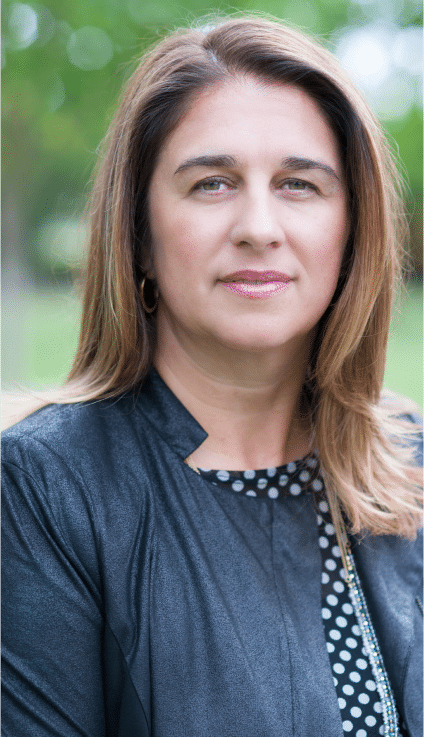
Manuela Mischke-Reeds, MA, MFT
Manuela Mischke-Reeds, MFT, is an international teacher of somatic psychology, trauma psychotherapy, and Hakomi Psychotherapy. She. Co- founded the Hakomi Institute of California and Embodywise, a nonprofit educational institute that brings together the wisdom teachings for the body. She has developed the Innate Somatic Intelligence™ Trauma Therapy Approach (ISITTA), an in-depth training program for therapists and practitioners that integrates somatic trauma therapy and movement practices.
Manuela has over 25 years of clinical psychotherapy experience with a wide variety of trauma clients. She lectures and trains professionals on the topics of somatic psychology, trauma therapy, embodied movement practices, and psychedelic-assisted therapy.
Manuela is the author of several books, including The Somatic Psychotherapy Toolbox: 125 Worksheets and Exercises to Treat Trauma and Stress (PESI, 2018) and 8 Keys to Practicing Mindfulness: Practical Strategies for Emotional Health and Well-Being (W. Norton, 2015). Her new upcoming book, Trauma Sensitive Movement, will be released soon. (PESI, 2024)
Waking the Somatic Intelligence: Your Essential New Tool to Help Clients Move Beyond Trauma States
The body holds wisdom far beyond our conscious awareness. This wisdom, often referred to as somatic intelligence, is an organic system deeply connected to our emotional and psychological well-being. When trauma disrupts this natural connection, it can create a dissonance between the body and mind, leading to persistent states of distress and imbalance. In our quest to support clients in overcoming trauma, reconnecting them with their somatic intelligence is crucial.
What is Somatic Intelligence?
Somatic intelligence is the body's innate ability to sense, interpret, and respond to internal and external stimuli. It's the silent communication happening within the body that influences our feelings, behaviors, and interactions. Unlike cognitive intelligence, which relies on the brain's conscious processing, somatic intelligence operates at a deeper, more instinctual level. It involves the autonomic nervous system, including the dorsal vagal system, ventral vagal system, and sympathetic action systems, which govern our fight, flight, freeze, and fawn responses.
This intelligence is integral to body awareness-the ability to perceive subtle changes in posture, movement, and physiological states. For those who have experienced trauma, these changes can become chronic, leading to physical manifestations of psychological stress, such as tension, pain, or illness.
The Impact of Trauma on Somatic Intelligence
Trauma profoundly affects the body-mind connection, disrupting the natural flow of somatic cues that guide us toward safety and well-being. When trauma occurs, the body's somatic experience is altered, often leading to a disconnection from somatic intelligence. This disconnection manifests as a loss of trust in the body's signals, which can make it difficult for clients to access their innate healing capacities.
Trauma can trigger dysregulation in the autonomic nervous system, particularly in the dorsal vagal system, which can lead to chronic states of shutdown or dissociation. Conversely, trauma may overstimulate the sympathetic action system, causing heightened states of anxiety or hypervigilance. The ventral vagal system, responsible for social engagement and relaxation, can become compromised, making it challenging for individuals to connect with others or feel safe in their bodies.
This disruption often results in what are known as somatic indicators-physical symptoms or unconscious signs that the body is still responding to trauma. These can include changes in breath patterns, muscle tension, or even subtle micromovements that reveal unresolved trauma. Recognizing and working with these somatic cues is essential for trauma recovery.
Reconnecting with Somatic Intelligence Through Therapy
Helping clients reconnect with their somatic intelligence is a key focus of somatic therapy. This approach involves guiding clients to attune to their body awareness, recognizing the subtle signals that arise within their soma, and using these signals to navigate their healing journey.
In somatic therapy, the therapist's role is to facilitate a process of compassionate attunement and embodied consciousness. This means being present with the client in a way that honors their physical and emotional experiences, helping them to reconnect with their body's wisdom. By cultivating mindful awareness and paying attention to somatic relational cues, clients can begin to trust their bodies again, learning to recognize and respond to their trauma responses in healthier ways.
For example, a client might begin to notice how their body reacts in situations that trigger anxiety or fear. Through mindful awareness and guided somatic regulation techniques, they can learn to soothe these responses, fostering a sense of safety and control. This process not only helps in resolving trauma but also enhances the client's overall sense of well-being and resilience.
Join Manuela Mischke-Reeds for a Free Webinar!
If you are a therapist or a healing practitioner looking to deepen your understanding of somatic therapy, this free webinar is for you. Waking the Somatic Intelligence: Your Essential New Tool to Help Clients Move Beyond Trauma States is an invaluable resource for anyone committed to helping clients reconnect with their bodies and overcome the lasting effects of trauma.
Watch Now and learn:
-
- That the body is an organic system beyond the physical form.
- How trauma disrupts trust with the body and somatic intelligence.
- How to reconnect clients with their Innate Somatic Intelligence™.
- How to recognize somatic cues in clients (e.g., body posture, breath patterns).
- The importance of active listening and embodied consciousness in therapy.
- And so much more…
Manuela Mischke-Reeds, MA, MFT, is an international teacher and writer of mindfulness-based somatic psychology. With over 25 years of experience, she has trained professionals worldwide in mindfulness, attachment, trauma, and movement therapy. As the co-director of the Hakomi Institute of California, she has been at the forefront of integrating somatic practices into therapeutic work, helping countless individuals heal from trauma.
Somatic Intelligence in Practice
Integrating somatic intelligence into therapeutic practice requires an understanding of the organic systems of the soma and the portals of perception that clients use to navigate their inner and outer worlds. These systems are not static; they are fluid, adapting to the body's needs and environmental cues. As therapists, we can guide clients through the process of reconnecting with these systems, using techniques that foster somatic healing pathways.
One approach is to focus on the somatic memory-the body's way of storing traumatic experiences. Unlike cognitive memories, somatic memory is held within the body and can be accessed through specific therapeutic interventions. By working with narrative indicators and somatic indicators, therapists can help clients release stored trauma and reestablish a healthy connection with their somatic intelligence.
Another key aspect is recognizing the role of somatic trust in healing. Trauma often disrupts this trust, leading to feelings of disconnection and alienation from the body. Through practices that encourage interconnection and interdependence, clients can rebuild this trust, allowing their bodies to become allies in the healing process.
The Power of Somatic Intelligence in Trauma Healing
Trauma is a complex, multidimensional experience that affects not only the mind but also the body. By awakening somatic intelligence, we can access deeper layers of healing that go beyond traditional talk therapy. This holistic approach acknowledges the body as a source of wisdom and healing, empowering clients to move beyond trauma and into a state of wholeness.
In this webinar, Manuela Mischke-Reeds will share her extensive knowledge and experience in somatic therapy, offering practical tools and insights that you can apply in your practice. Whether you are new to somatic therapy or looking to deepen your existing knowledge, this free webinar is an opportunity to explore the transformative power of somatic intelligence.
Reserve your FREE spot NOW and start your journey towards helping clients reconnect with their bodies, overcome trauma, and thrive.
Conclusion
Understanding and integrating somatic intelligence is essential for helping clients move beyond trauma. By reconnecting with their bodies, clients can access the innate wisdom that lies within, fostering healing and resilience. Waking the Somatic Intelligence is not just a concept; it's a practice that can transform lives.
If you're ready to take your therapeutic practice to the next level, don't miss this opportunity. Reserve your spot for this FREE webinar NOW and learn how to guide your clients toward lasting healing and well-being through the power of Innate Somatic Intelligence™.
Copyright 2024 Academy Wisdom Privacy Policy