
Join Lisa Ferentz, LCSW-C, DAPA, for a FREE webinar
The Cycle of Self-Destructive Behavior
Self-destructive behavior doesn't happen on a whim. It's the culmination of an entire cycle of events that can be managed once one understands what is happening.
In this free webinar, Lisa Ferentz will explain how triggers, anxiety, negative thoughts and feelings, and dissociation all contribute to a cognitive and emotional escalation that can inevitably lead to an act of self-harm.
This cycle - once understood - creates many opportunities to intervene, offering clients cognitive, somatic, visual, and creative ways to do healthy affect regulation, cognitive reframing, and safe body work.
In this webinar, you will:
- Learn how to help clients identify a specific, repetitive cycle of self-destructive behavior
- Explore the part of the cycle that is activated by triggering
- Process how to navigate those triggers with journaling and escape clauses
Lisa will share her vast experience working with self-destructive behaviors beyond the safety contract and show you how to create more effective options for your clients.
You will leave with
- Specific interventions for each part of the cycle so you can help clients short-circuit it
- How to implement the REACTS journal prompt so you can help clients identify their triggering events and interactions
- Two strategies to help clients navigate triggers and prevent further self-harm
Help break the cycle of self-harm with these tools you can start applying today!

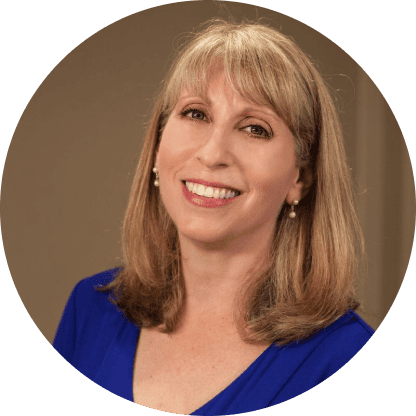
Lisa Ferentz, LCSW-C, DAPA
Lisa Ferentz, MSW, LCSW-C, DAPA, has been a recognized expert in the treatment of trauma for over 40 years. She brings her strengths-based, de-pathologized approach to audiences nationally and internationally, and is a clinical consultant to practitioners and mental health agencies in the United States, Canada, the UK, and Ireland.
Lisa has been an Adjunct Faculty member at several Universities, and is the founder of The Ferentz Institute, now in its seventeenth year providing continuing education to mental health professionals and graduating over 3,000 clinicians from Certificate Programs in Advanced Trauma Treatment.
Lisa is the author of Treating Self-Destructive Behaviors in Traumatized Clients: A Clinician's Guide, Letting Go of Self-Destructive Behaviors: A Workbook of Hope and Healing, and Finding Your Ruby Slippers: Transformative Life Lessons From the Therapist's Couch. Lisa is also a radio show host, blogger, writer, and teacher on self-harm and self-care.
Lisa Ferentz Free Training for Psychotherapists
Lisa Ferentz, a renowned figure in the realm of psychotherapy, is set to unveil critical insights in her upcoming free webinar, "The Cycle of Self-Destructive Behavior." This session is a pivotal opportunity for psychotherapists to deepen their understanding of complex trauma-related behaviors.
An Introduction to PTSD Destructive Behaviors
Trauma and self-destructive behavior often go hand in hand, creating a complex web that therapists must navigate. Understanding the roots of such behaviors is essential for effective intervention. Self-destructive actions in PTSD clients are not isolated events; they're the result of a deeply ingrained cycle.

The Nature of Self-Destructive Behaviors
Self-destructive behaviors in trauma clients manifest in various forms, including but not limited to:
- Self-harm: Such as cutting or burning oneself.
- Substance abuse: Using drugs or alcohol to numb pain or emotions.
- Sabotaging relationships: Engaging in behaviors that push others away.
- Neglecting health: Failing to care for one's physical or mental health needs.
- Risk-taking behaviors: Engaging in dangerous activities without regard for safety.
Understanding these manifestations is the first step in addressing the underlying trauma and breaking the cycle of self-destructive behavior.
Understanding the Cycle
When delving into PTSD self-destructive behavior, one realizes it's a culmination of various factors. Triggers, anxiety, negative thoughts, and feelings, coupled with dissociation, lead to a cognitive and emotional escalation that can culminate in self-harm.


Breaking Down the Components
In her free training, Lisa Ferentz will dissect this cycle. From identifying triggers to understanding the emotional escalation, each element will be explored. This knowledge is vital in treating self-destructive behaviors in trauma survivors.
Lisa Ferentz's Approach to Intervention
Lisa Ferentz's training offers fresh perspectives in dealing with these behaviors. Moving beyond traditional safety contracts, she introduces innovative methods for therapists.
Cognitive and Somatic Strategies
Therapists will learn how to employ cognitive reframing and somatic practices to help their clients. These techniques are crucial in childhood trauma and self-destructive behavior cases, offering a pathway to healing.

The Webinar: A Deep Dive into Self-Destructive Behaviors
Join Lisa Ferentz, LCSW-C, DAPA, for this transformative free webinar. Scheduled for February 12, 2024, at 9 am PST, it promises to be an enlightening experience for psychotherapists.
What You Will Learn
In this webinar, participants will gain insights into:
- Identifying and understanding the cycle of self-destructive behavior.
- Techniques to process and navigate triggers effectively.
- Cognitive, somatic, visual, and creative interventions for better client outcomes.
Interactive and Enlightening
The webinar is not just a lecture but an interactive experience. There will be ample time for Q&A, allowing participants to delve deeper into the subject matter.
Practical Takeaways
Participants will leave with concrete tools, including:
- Strategies for intervening at different cycle stages.
- The REACTS journal prompts to help clients recognize triggers.
- Techniques to prevent further self-harm in clients.
Join the Movement Against Self-Destructive Behaviors
How to help someone with self-destructive behavior is a question that plagues many therapists. This webinar is a step towards answering that, providing practical tools that can be applied immediately.
Cognitive and Somatic Strategies
With years of experience, Lisa Ferentz brings a wealth of knowledge to this field. Her approach goes beyond textbook methods, offering real-world, applicable strategies.
Conclusion
In conclusion, Lisa Ferentz's free training is an invaluable resource for psychotherapists dealing with PTSD and self-destructive behavior. It provides a comprehensive understanding of the cycle of self-destructive behavior and practical strategies to intervene effectively.
Join Lisa Ferentz in this crucial endeavor to better understand and treat self-destructive behaviors in trauma survivors. Equip yourself with the knowledge and tools necessary to make a significant impact in your clients' lives.
Learn more about this transformative opportunity and help break the cycle of self-harm.

Copyright 2024 Academy Wisdom | Privacy policy