The Process of Self-Compassion for the Therapist
The opening module introduces the foundational concepts of self-compassion as a transformative paradigm for therapists. It explores how to cultivate self-compassion in therapeutic practice, and overcome common barriers that therapists may encounter. You’ll learn to recognize and engage with your protective systems, ultimately enhancing the ability to facilitate your clients’ own self-compassion journeys.
- Foundations of Self-Compassion — a paradigm shift
- The Importance of Self-Compassion for the Therapist
- Identifying Barriers to Self-Compassion for the Therapist
- Notice Your Protective System
- Befriending Yourself
- Exercise — Befriending Yourself Parts Map
The Process of Self-Compassion for the Client
In Module 2, we will investigate the importance of self-compassion in client therapy, developing techniques to identify barriers to self-compassion through introductory parts work. We’ll explore how to foster compassionate relationships with client protective systems and guide clients toward a more compassionate relationship with themselves, empowering them on their journey towards healing and self-acceptance.
- The Importance of Self-Compassion for the Client
- How to Help Clients Identify Barriers to Self-Compassion
- How to Build Compassionate Relationships with Client Protective Systems
- How to Help Clients Build a More Compassionate Relationship with Themselves
Establishing Emotional Resonance
In Module 3, we’ll explore how to embody self-compassion and the nuanced differences between empathy and self-compassion. We’ll identify the signs of empathy fatigue and engage in practical exercises like self-compassion journaling to foster personal growth. We’ll also examine the neuroscience behind shame and self-compassion, supported by experiential exercises such as tracking client shame sequences, providing valuable insights into therapeutic approaches that extend beyond empathy.
- How to Embody Self-Compassion
- Empathy vs Self-Compassion
- When Empathy Becomes Exhausting
- Exercise: Self-Compassion Journaling Practice
- Neuroscience of Shame and Self-Compassion: Why you need more than empathy
- Exercise: Tracking Client Shame Sequences
Four Key Ways to Access Self-Compassion
Explore various pathways to cultivate self-compassion, beginning with the physicality and mentality of self-compassion. Through experiential exercises, you’ll engage with your inner critic, learning practical techniques to foster self-compassion in your thoughts and behaviors. We’ll explore the relationship between self-compassion and emotions — honing skills to soften, soothe, and allow difficult feelings with kindness — and of the larger self and its connection to core values, personal identity, and purpose.
- Physicality of Self-Compassion
- Experiential Exercise: Physicality of Self-Compassion
- Mentality of Self-Compassion
Experiential Exercise: Working with an Inner Critic - Self-Compassion and Emotions
Experiential Exercise: Soften, Soothe, Allow - The Larger Self
- Experiential Exercise: Exploring Your Core Values
Working With Shame and Disarming Protective Systems
In the final module, we’ll delve into the intricate relationship between shame and the brain, gaining insights into how shame influences cognitive processes and emotional responses. Learn practical strategies for befriending reactivity and understanding frustration, essential for disarming protective systems that often manifest in therapeutic settings. Develop tools to differentiate from shame and facilitate healing for themselves and their clients.
- How Shame Influences the Mind
- Befriending Reactivity
- Understanding Frustration
- Differentiating from Shame
- Experiential Exercise: Unburdening Shame


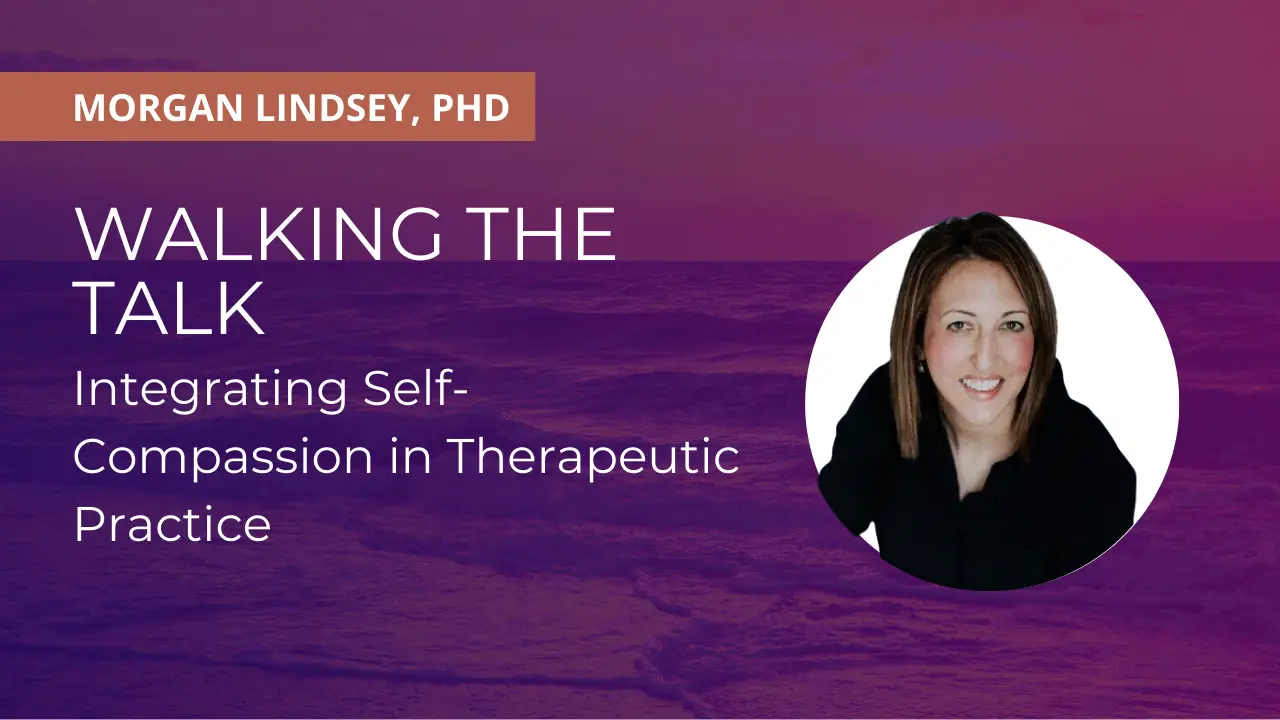

 Morgan Lindsey is a psychotherapist specializing in resilience building, self-compassion, and trauma recovery. Her work includes individual therapy, group psychotherapy, corporate mindfulness, and training coaches and therapists. She weaves modern neuroscience with ancient wisdom traditions to help people find the love and connection they long for both within themselves and each other.



Reviews
There are no reviews yet.