

FIVE pre-recorded Teaching Modules
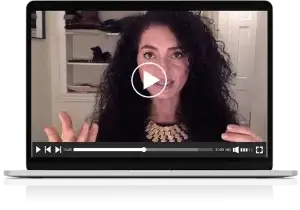 Join Francesca for five pre-recorded training videos where you will learn how to use mindfulness in your work as an anti-racist.
FIVE recorded Q&A Calls
 Each week we’ll come together to discuss current events and identify places where we see systemic racism in our daily lives. We’ll also have time to answer questions that come up as you move through your journey.
Private membership site to access Transcripts & Downloads
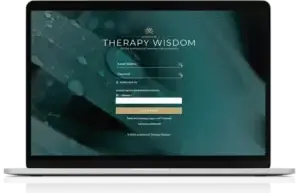 Find all your course materials in the user-friendly membership site. Each training is available in video and audio format so you are able to download and own all the content.
Accepting Your Assignment with Dr. Jack Kornfield
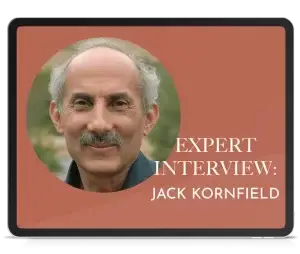 Dr. Kornfield explores the idea that our culture is in the midst of a difficult process that will eventually give birth to something new.
Sociocultural and Sociopolitical Considerations for Mindfulness with Dr. Shelly P. Harrell
 In this interview, Dr. Harrell shares 10 considerations to integrate mindfulness into anti-racist psychotherapy practice.
Whiteness on the Couch with Dr. Natasha Stovall
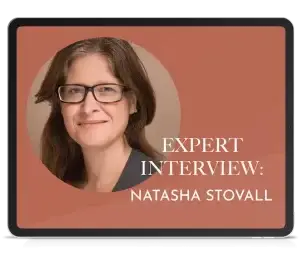 Dr. Natasha Stovall, joins Francesca to explore whiteness, how it shows up in the therapy room, and how to use therapeutic tools to process conversations pertaining to race with a greater sense of curiosity, grace, and insight.
Everyday Racism with Susan Cousins
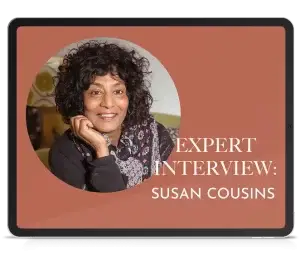 She lays out six categories of wellbeing with Francesca, including limits, boundaries, empowerment, and the impact of reporting a hate crime.
The Racist Part in You with Dr. Dick Schwartz
 Dr. Richard Schwartz, discusses what he sees as the four legacy cultural burdens of the United States: patriarchy, individualism, materialism, and racism.
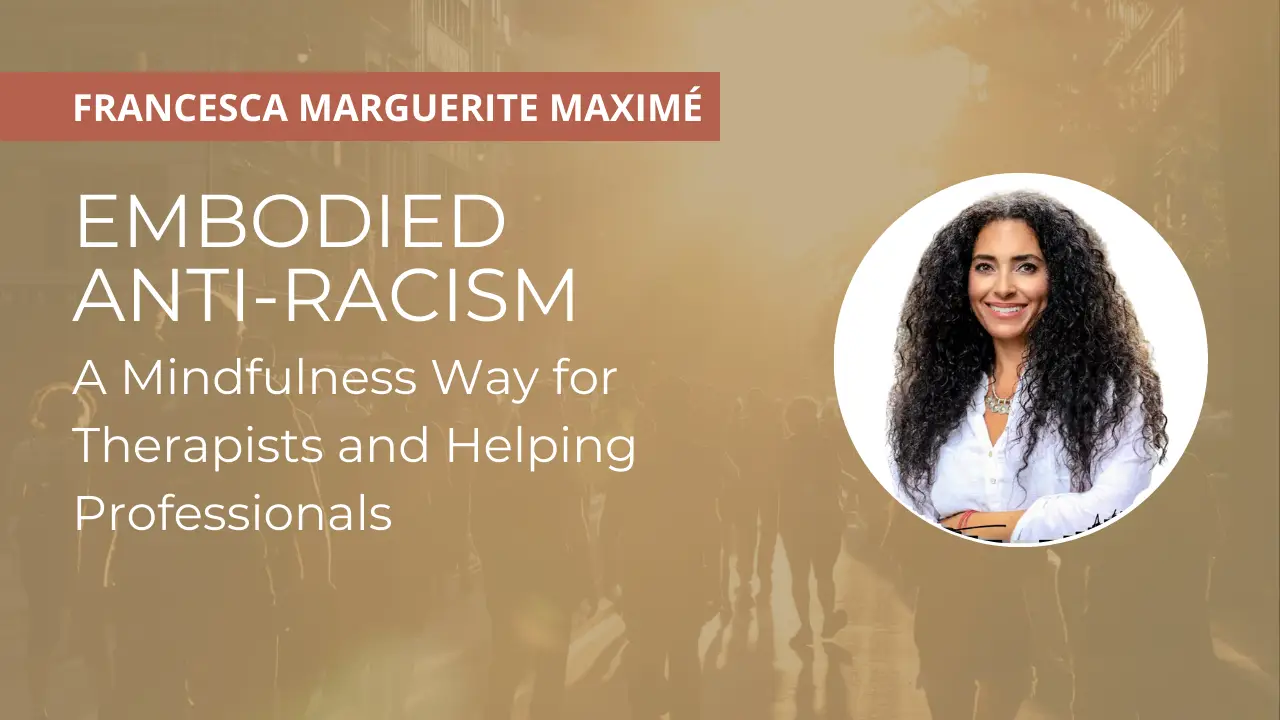
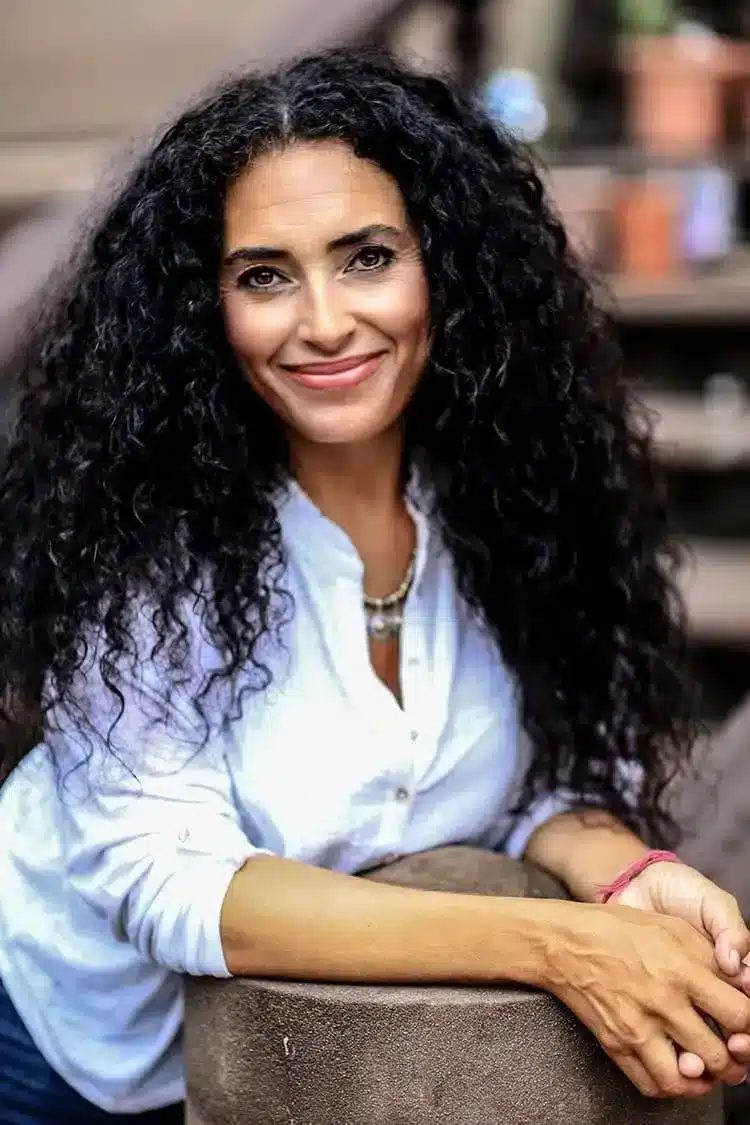
 Francesca Marguerite Maximé, LMSW, is a Haitian-Dominican Italian-American licensed somatic psychotherapist, mindfulness teacher, anti-racism educator, and award-winning poet/author in Brooklyn, New York. She received her undergraduate degree from Harvard University and her Master’s in Social Work from Fordham University. Maximé offers services to help address trauma, process grief, and reduce stress for adults, groups, and organizations. She is the host of the ReRooted podcast on Ram Dass’s Be Here Now Network. In 2019, Francesca received the International Society of Traumatic Stress Studies Outstanding Student Advocacy & Service Award. She has been mentored in mindfulness meditation practices by celebrated author and clinical psychologist Jack Kornfield, Ph.D., and has also been a mindfulness student of clinical psychologist and internationally known teacher Tara Brach, Ph.D. Maximé’s work emphasizes issues pertaining to organizational, social, and cultural trauma as well as gender and racial equity and equality.
Reviews
There are no reviews yet.